Category: Health - Page 2
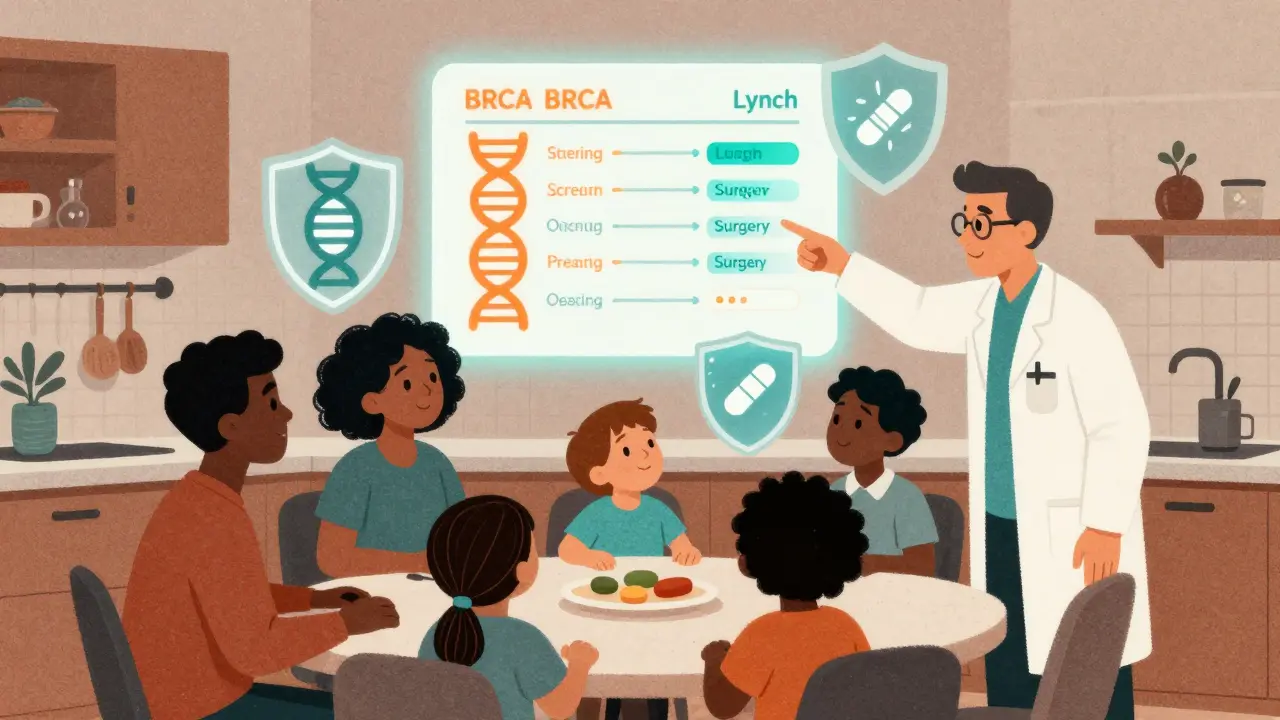
Genetic Testing for Cancer Risk: BRCA, Lynch, and Beyond
Genetic testing for BRCA, Lynch syndrome, and other inherited cancer risks can prevent cancer before it starts. Learn how testing works, who should get it, what results mean, and how it’s changing cancer care today.
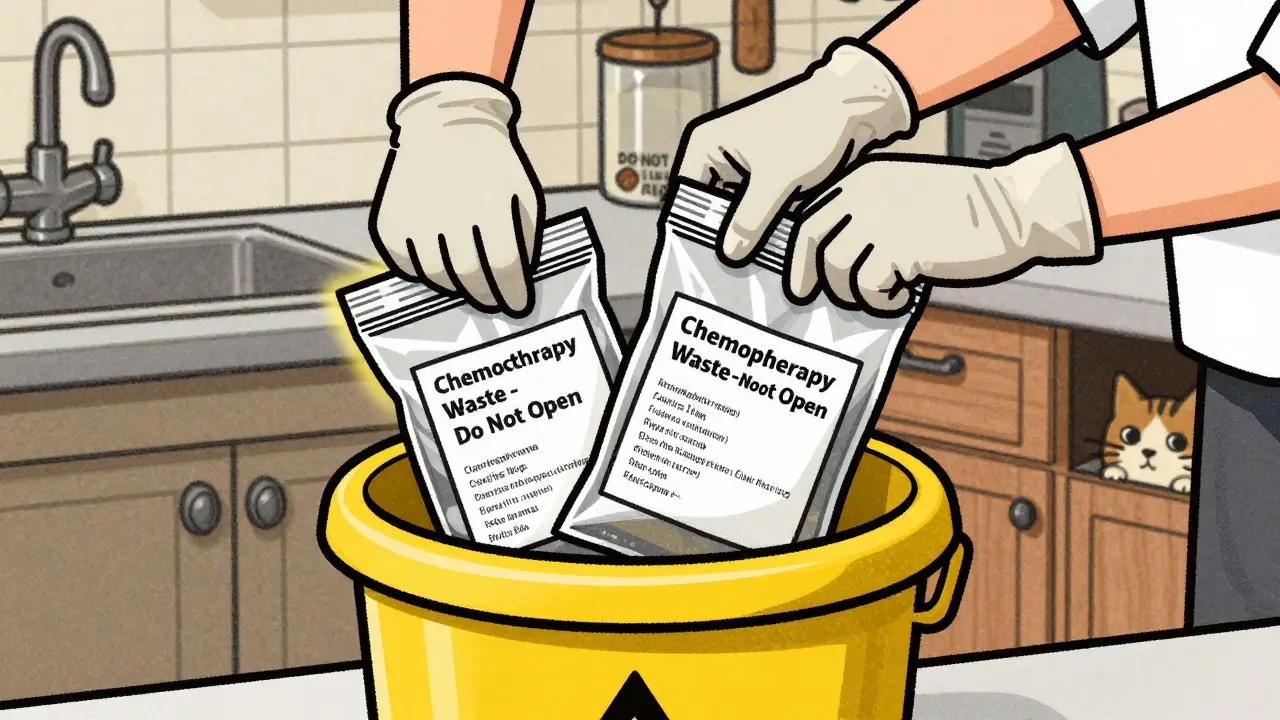
How to Safely Dispose of Chemotherapy Medication at Home
Safe disposal of chemotherapy medication at home prevents accidental exposure to toxic drugs that remain active in bodily fluids for days. Learn the correct steps, what to avoid, and how to protect your family and environment.
How to Avoid Overdose When Restarting a Medication After a Break
Restarting medication after a break can be deadly due to lost tolerance. Learn how to avoid overdose by starting low, going slow, and getting medical help. Key risks include opioids, benzodiazepines, and antidepressants.
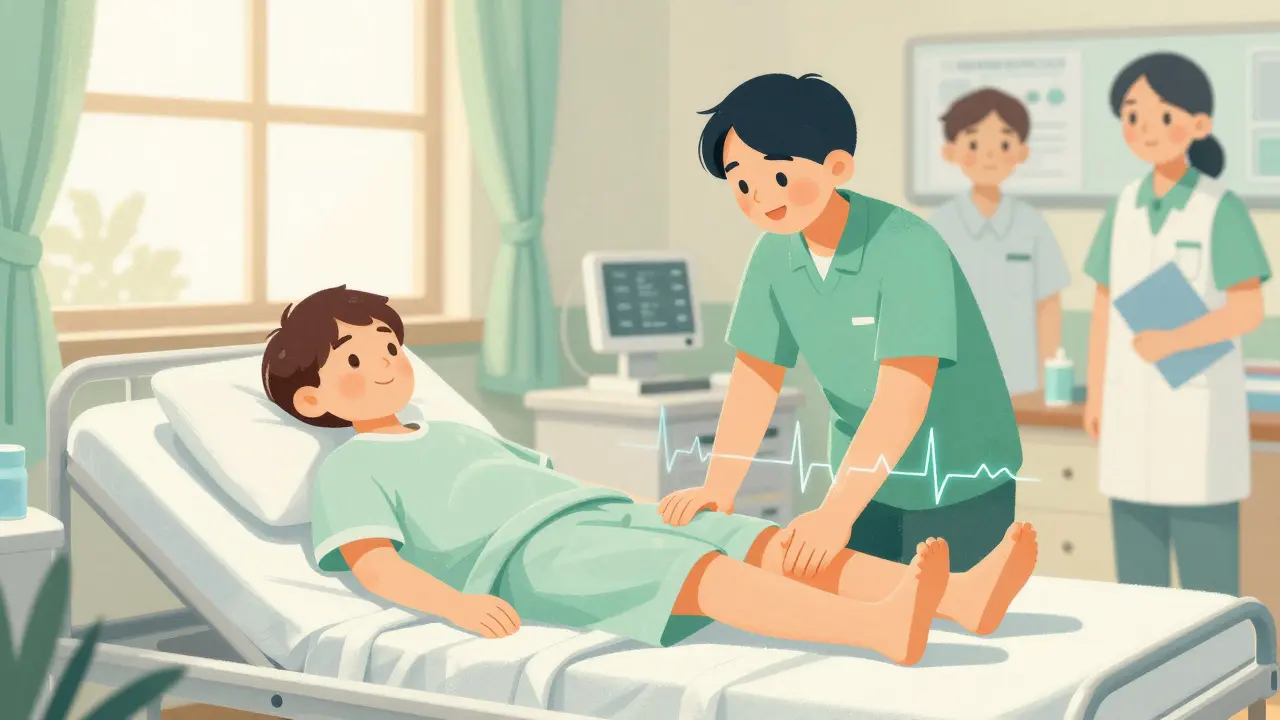
Exercise for Cardiac Health: Safe Training After Heart Events
Safe, structured exercise after a heart event can cut your risk of another cardiac incident by 30%. Learn the phased approach to cardiac rehab, warning signs to watch for, and how to exercise safely at home or in a supervised program.
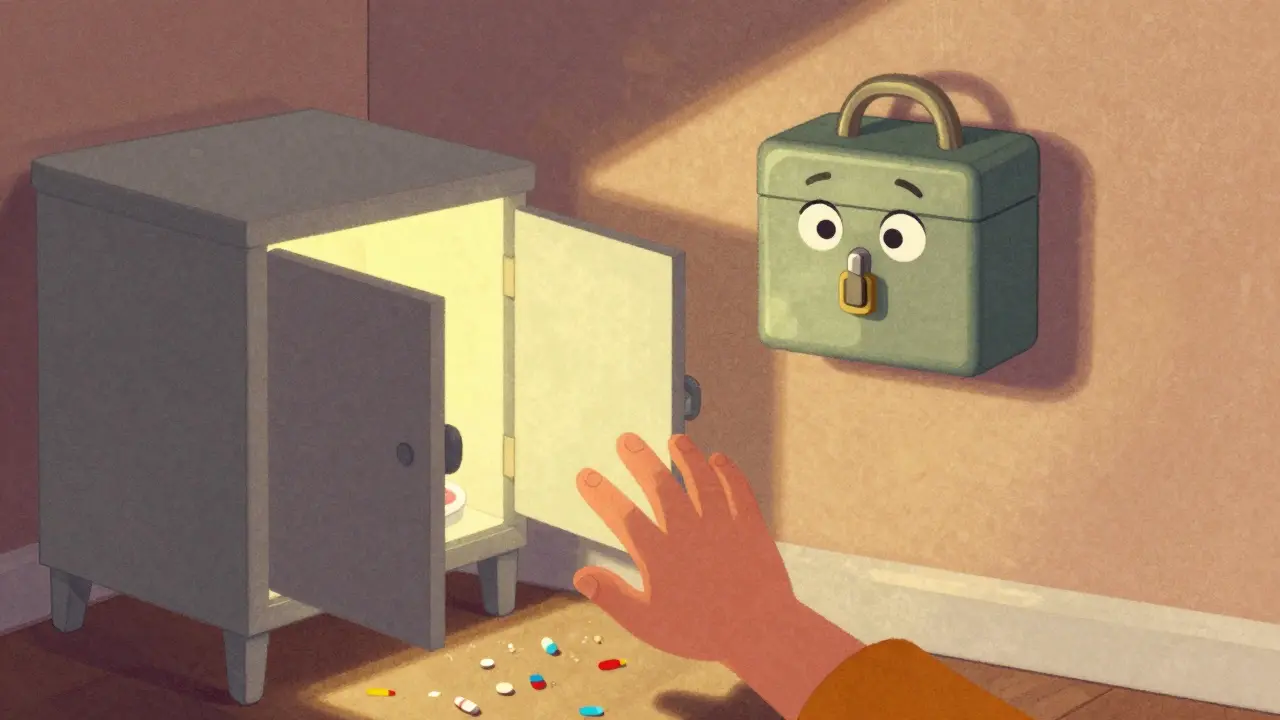
How to Use Lockboxes for High-Risk Medications at Home
Learn how to safely store high-risk medications like opioids and benzodiazepines at home using a medication lockbox to prevent accidental poisonings, misuse, and overdoses. Step-by-step guide for families.
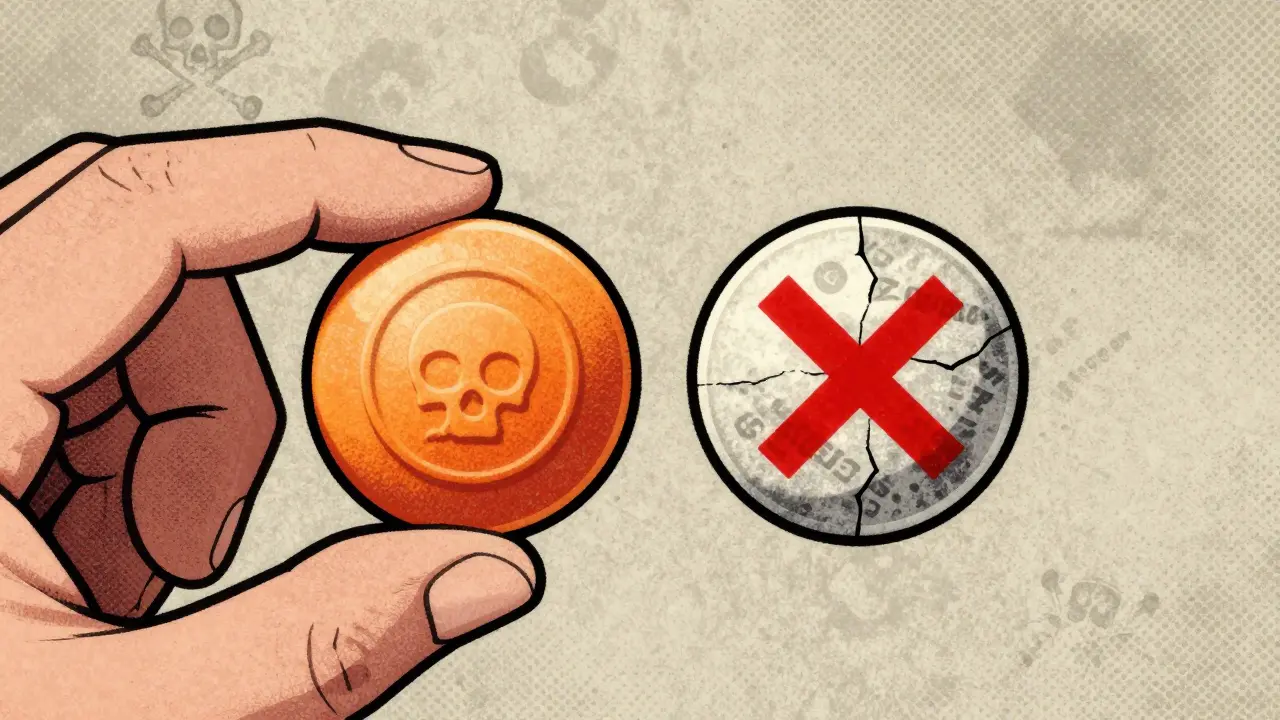
How to Identify Counterfeit Generics and Avoid Online Scams
Counterfeit generics are a deadly global threat. Learn how to spot fake online pharmacies, verify packaging, and avoid dangerous scams that could cost you your life. Only buy from verified .pharmacy sites.
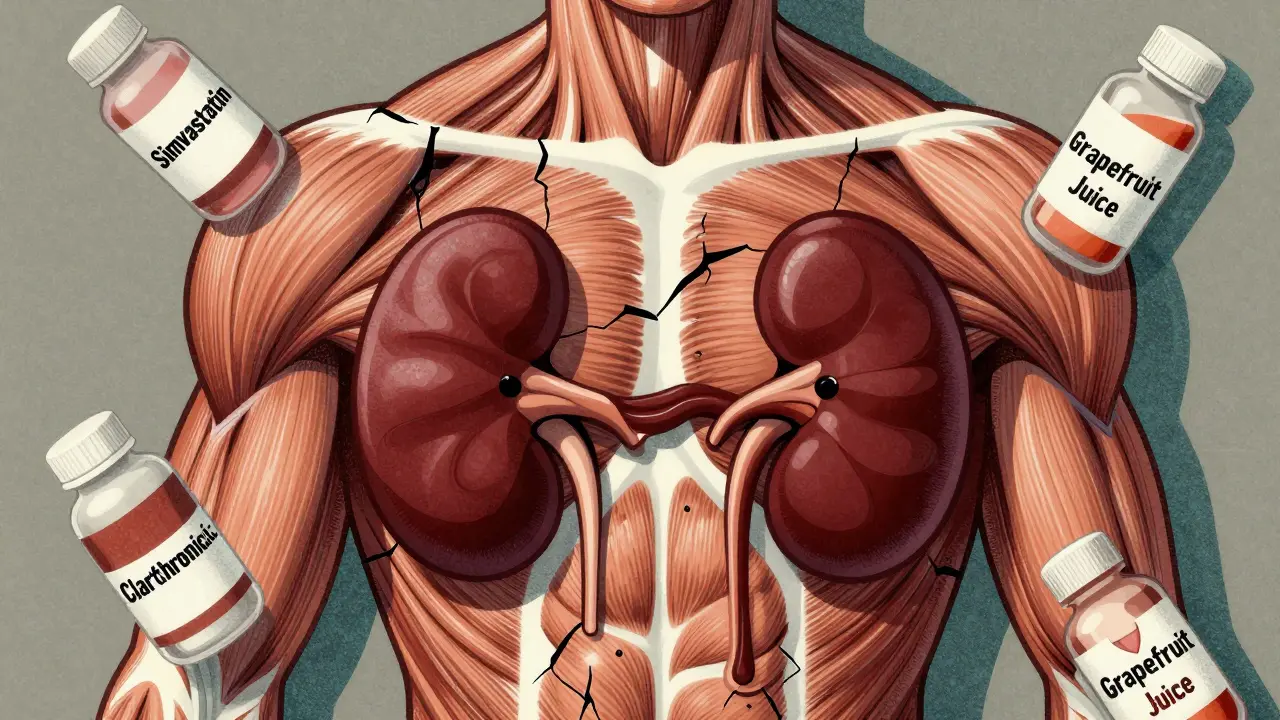
Rhabdomyolysis from Medication Interactions: What You Need to Know About Muscle Breakdown Emergencies
Rhabdomyolysis from medication interactions is a life-threatening muscle breakdown condition often triggered by statins combined with antibiotics or other drugs. Learn the warning signs, high-risk combinations, and how to prevent it.
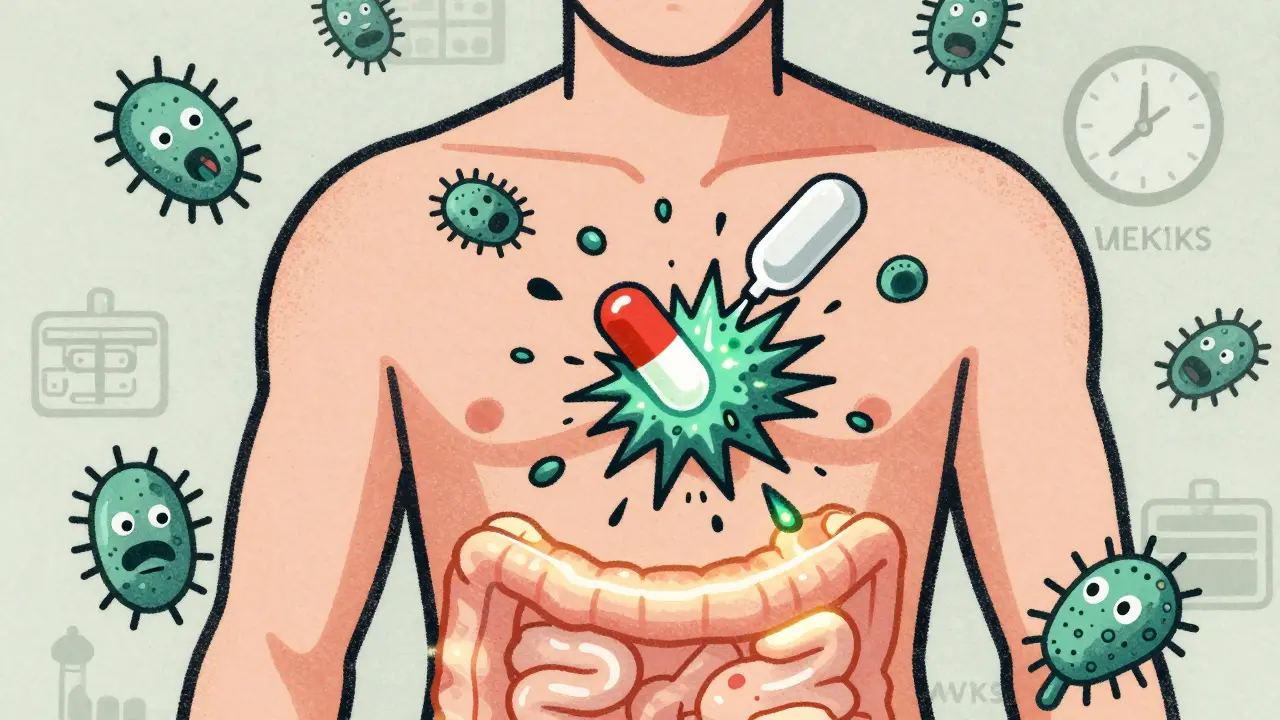
Clindamycin and C. difficile Risk: When to Seek Care
Clindamycin carries the highest risk of triggering C. difficile infection among antibiotics. Know the warning signs-diarrhea, fever, abdominal pain-and when to seek urgent care, especially within 12 weeks of taking it.
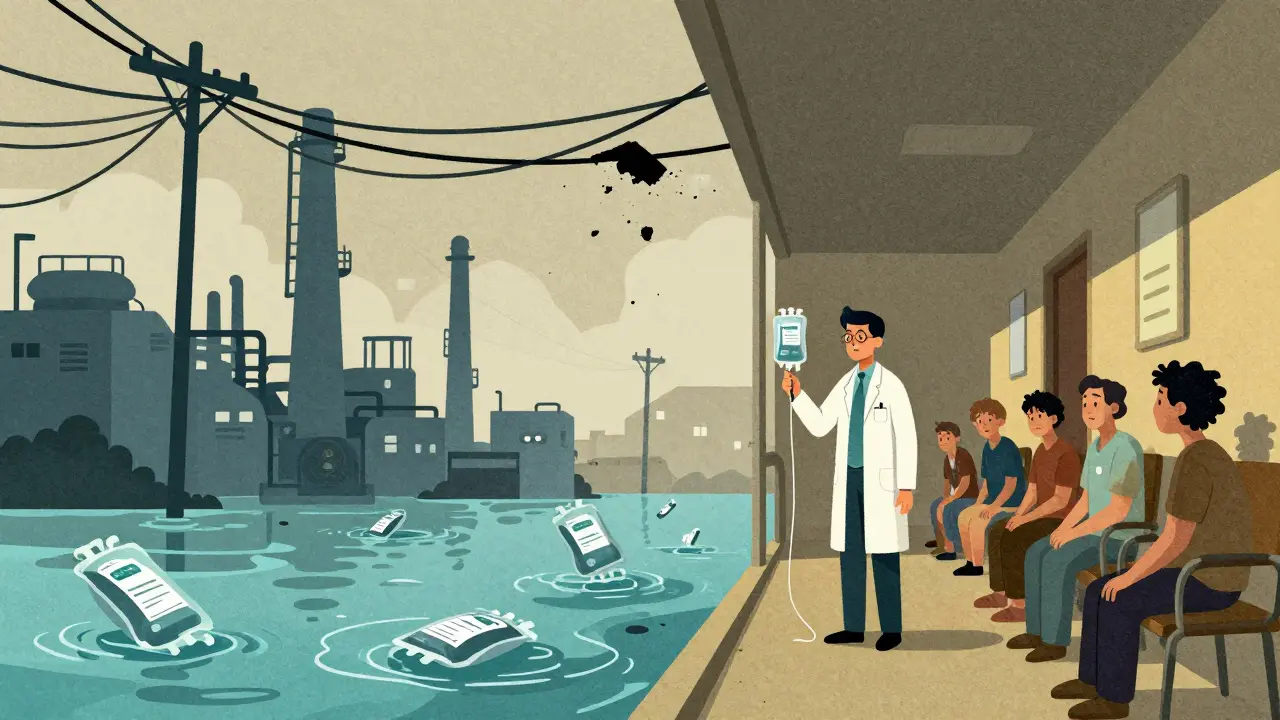
How Natural Disasters Are Causing Drug Shortages - And What’s Being Done
Natural disasters like hurricanes and floods are triggering life-threatening drug shortages across the U.S., exposing dangerous gaps in pharmaceutical supply chains. From IV fluids to insulin, climate risks are now a top cause of medication shortages - and the system isn't ready.
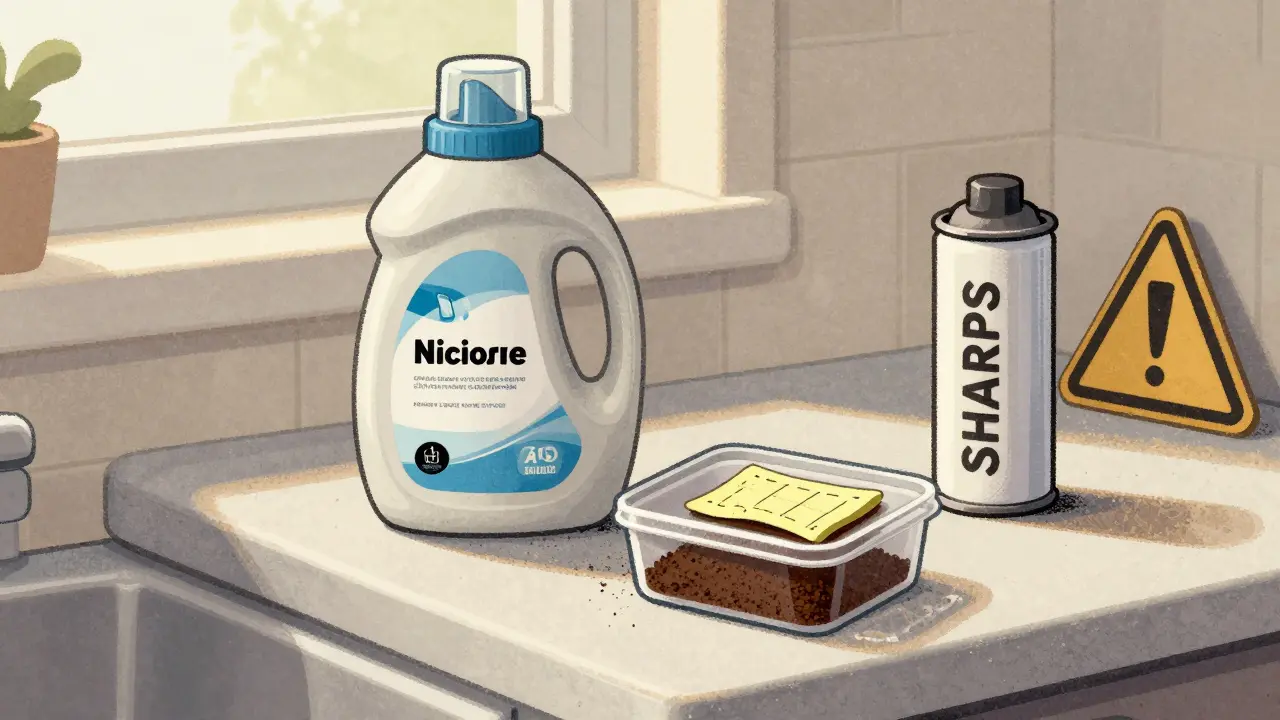
How to Safely Dispose of Expired EpiPens, Inhalers, and Patches
Learn how to safely dispose of expired EpiPens, inhalers, and medicated patches to protect your family, workers, and the environment. Follow step-by-step guidelines based on FDA and DEA rules.