Health Guides: Save Money and Stay Informed
Looking for ways to keep your health on track without blowing your budget? You’re in the right place. This page bundles the most useful advice from our health articles, from safe online pharmacies to cheap alternatives for common meds. Grab a coffee and read on – the tips are simple, practical, and ready to use today.
Practical Tips for Affordable Medications
First up, buying meds online can feel risky, but sites like global‑carerx.com actually follow safety standards. Check for a valid pharmacy license, read customer reviews, and never share your credit card info on unsecured pages. When you find a legit store, you can often snag the same drug for a fraction of the in‑store price.
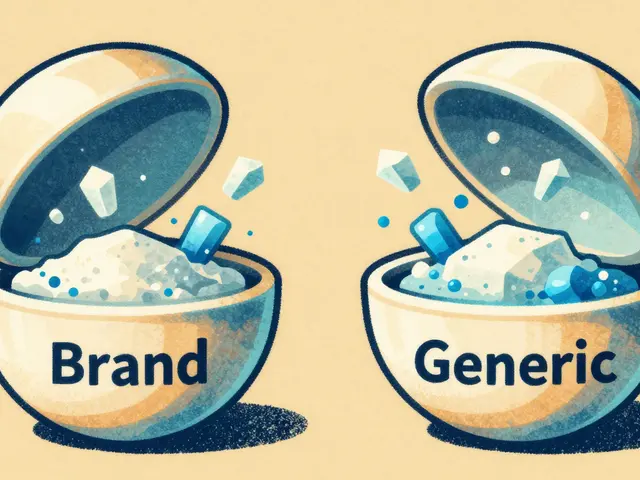
Another easy win is to compare brand‑name drugs with their generic twins. For example, Silvitra (an ED combo) works just like Viagra or Cialis but usually costs less. Ask your doctor if a generic version is suitable – they’ll often prescribe the cheaper option without compromising effectiveness.
Don’t forget insurance tricks. If your plan covers a brand‑name med at a high tier, file a prior‑authorization request or look for tier‑exception programs. Mail‑order pharmacies also offer bulk discounts that can shave off 20‑30% from the retail cost.
Top Health Supplements on a Budget
Supplements don’t have to be pricey. Graviola, a tropical fruit extract, is gaining traction for its antioxidant power. Look for powdered forms you can add to smoothies – they’re cheaper than capsules and still deliver the benefits.
Chicory root is another budget‑friendly hero. Packed with inulin, it feeds good gut bacteria and can replace pricey prebiotic blends. Simply stir a spoonful into your coffee or tea and enjoy the fiber boost.
If you’re dealing with hormonal issues like PCOS, Vitex Agnus‑castus offers a natural option. Research shows it can help balance hormones when taken consistently. Choose a reputable brand and stick to the recommended dose – you’ll avoid extra costs from ineffective products.
Lastly, keep an eye on seasonal allergies. Our "Top 10 US Cities for Allergy Sufferers" guide helps you plan trips or moves that reduce pollen exposure, saving you money on antihistamines and doctor visits.
All these tips share one common theme: knowledge saves money. By staying informed about safe pharmacies, generic alternatives, insurance hacks, and low‑cost supplements, you can protect your health without draining your wallet. Keep checking our health category for fresh articles, and feel free to share your own money‑saving tricks in the comments.

Understanding Survivorship Care Plans: Follow-Up, Screening, and Managing Late Effects
Learn how Survivorship Care Plans bridge the gap between cancer treatment and long-term health, covering follow-up schedules, screening, and managing late effects.
Sleep Hygiene Guide: Behavioral Changes for Better Sleep Quality
Improve your sleep quality by mastering sleep hygiene. Learn evidence-based behavioral changes, from circadian rhythm alignment to cognitive regulation and environment optimization.
Medication-Induced Pseudotumor Cerebri: Causes, Symptoms, and Vision Risk
Learn about medication-induced pseudotumor cerebri, covering severe headache and vision changes caused by specific drugs. Understand risks, symptoms, and diagnosis.
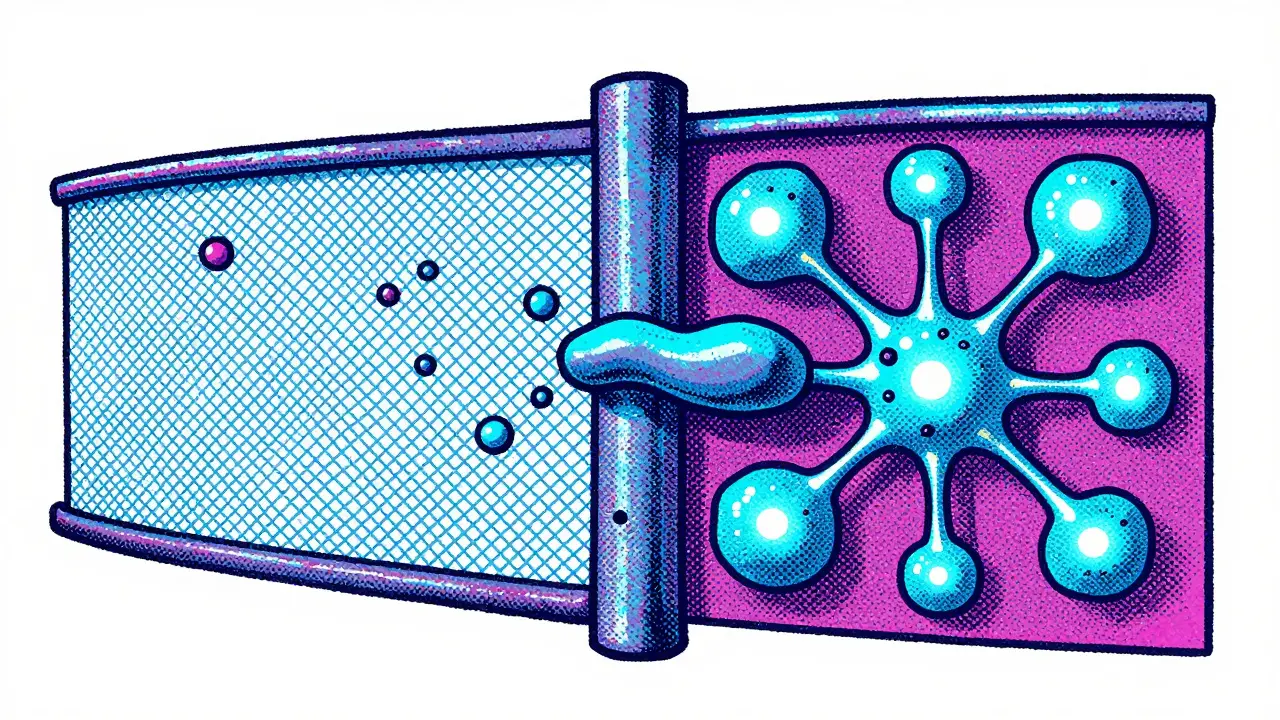
GABA Supplements and Sedatives: Do They Cause Dangerous CNS Depression?
Explore the science behind mixing GABA supplements with sedatives like benzodiazepines. Understand blood-brain barrier limitations, clinical risks, and safety guidelines.
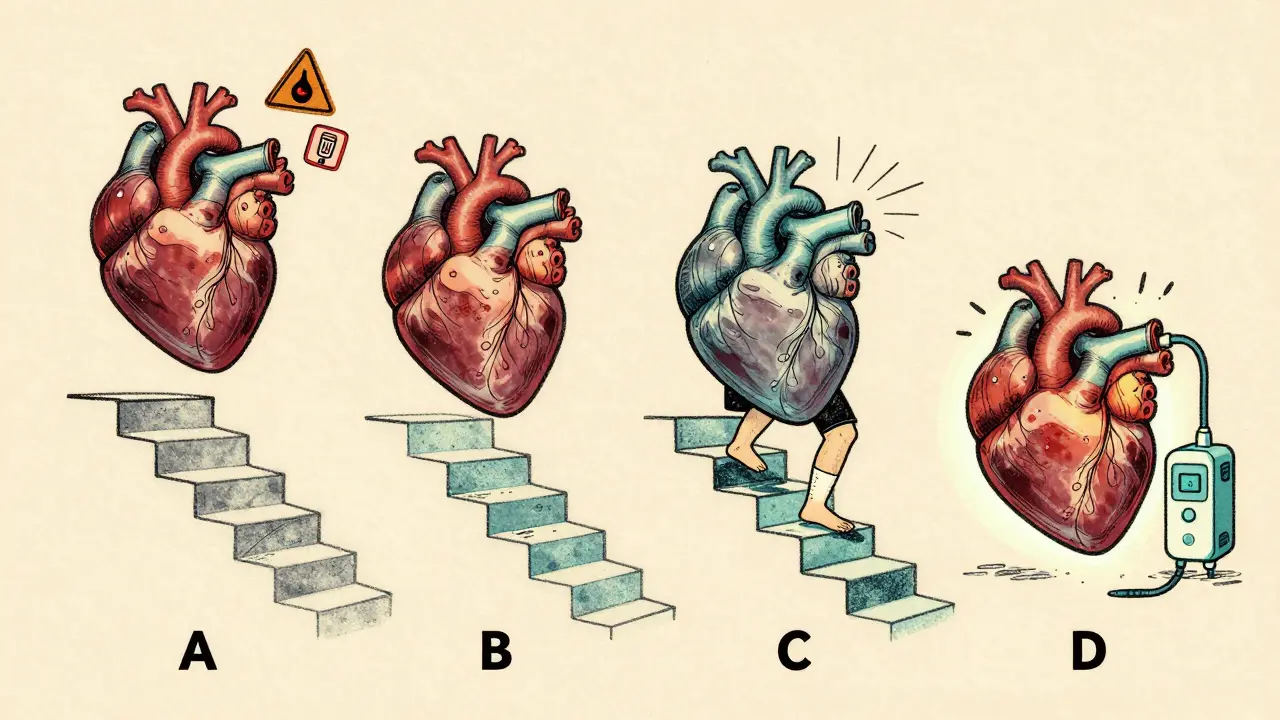
Heart Failure Management: From Diagnosis to Living Well
Heart failure management has transformed with new guidelines, quadruple therapy, and SGLT2 inhibitors. Learn how stages, medications, and monitoring tools like CardioMEMS help patients live longer and better.
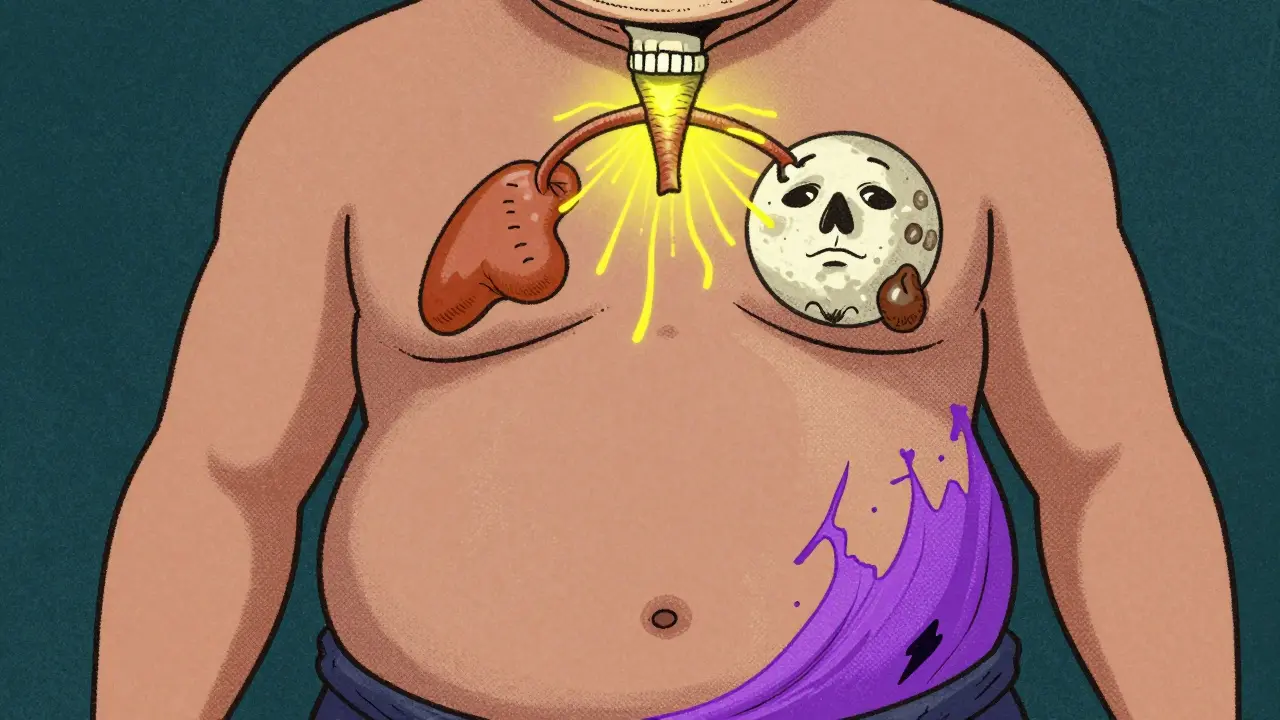
Cushing’s Syndrome: Excess Cortisol and Surgical Treatment Options
Cushing’s Syndrome is caused by excess cortisol and leads to serious health problems. Surgery is the most effective treatment for endogenous cases, with high success rates when performed at specialized centers. Early intervention improves outcomes and reduces long-term complications.
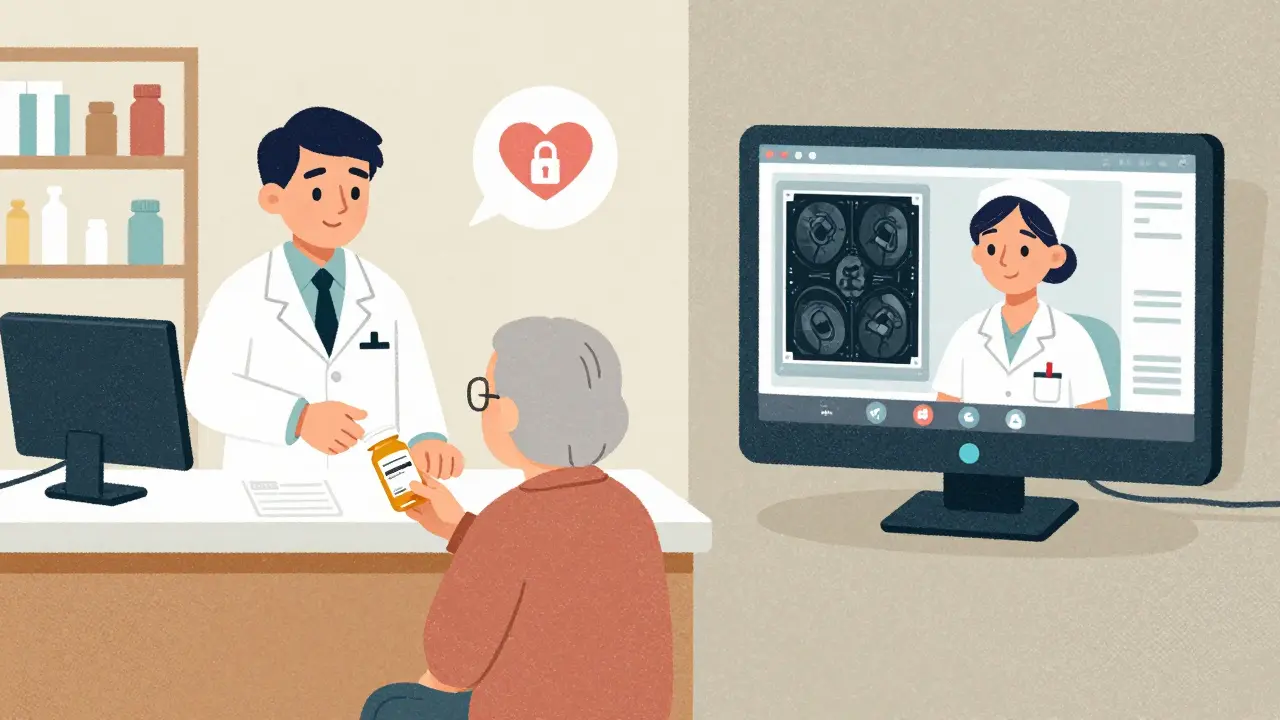
UK Substitution Laws: How NHS Policies Are Changing Medication and Care Delivery
UK substitution laws are reshaping how the NHS delivers care - from generic drug swaps to remote pharmacy services. With 2025 reforms mandating digital-only dispensing and hospital-to-community shifts, patients and providers are facing major changes. What’s saved, what’s lost, and who’s left behind?
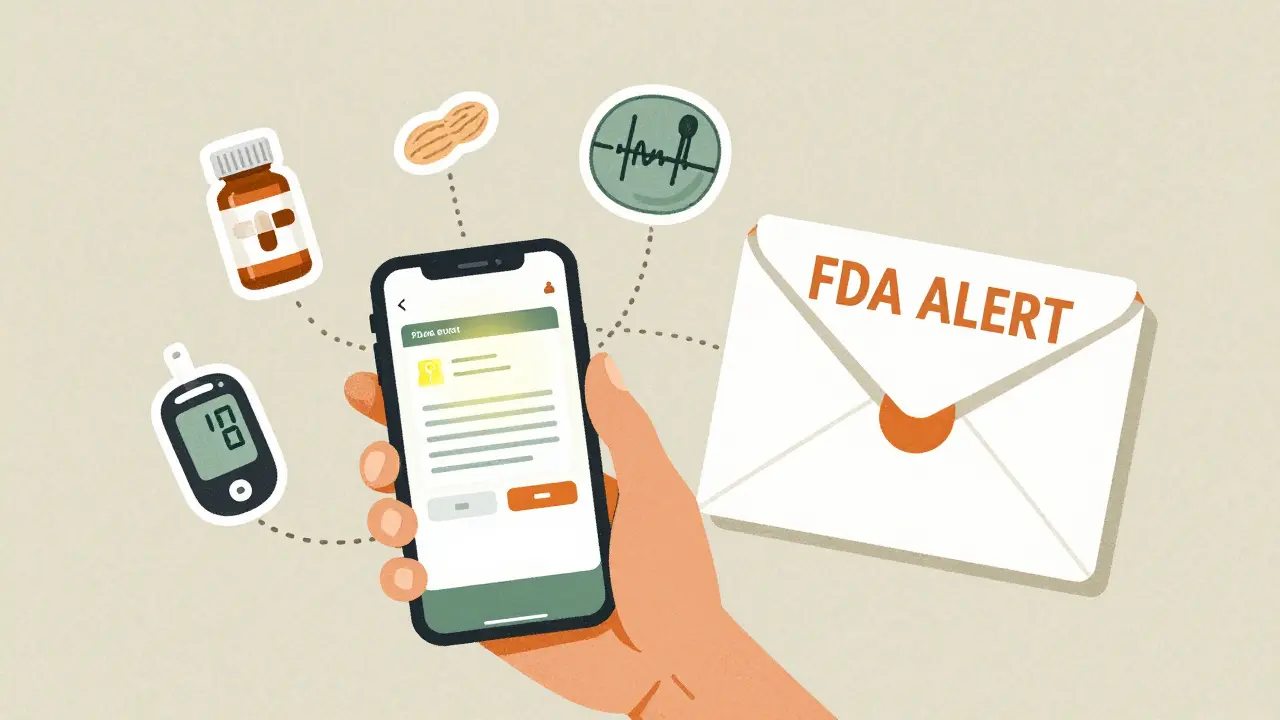
Subscribe to FDA Safety Communications: Never Miss an Alert
Subscribe to FDA Safety Communications to receive real-time email alerts about recalls and safety risks for medications, medical devices, and food. Never miss a critical health warning again.
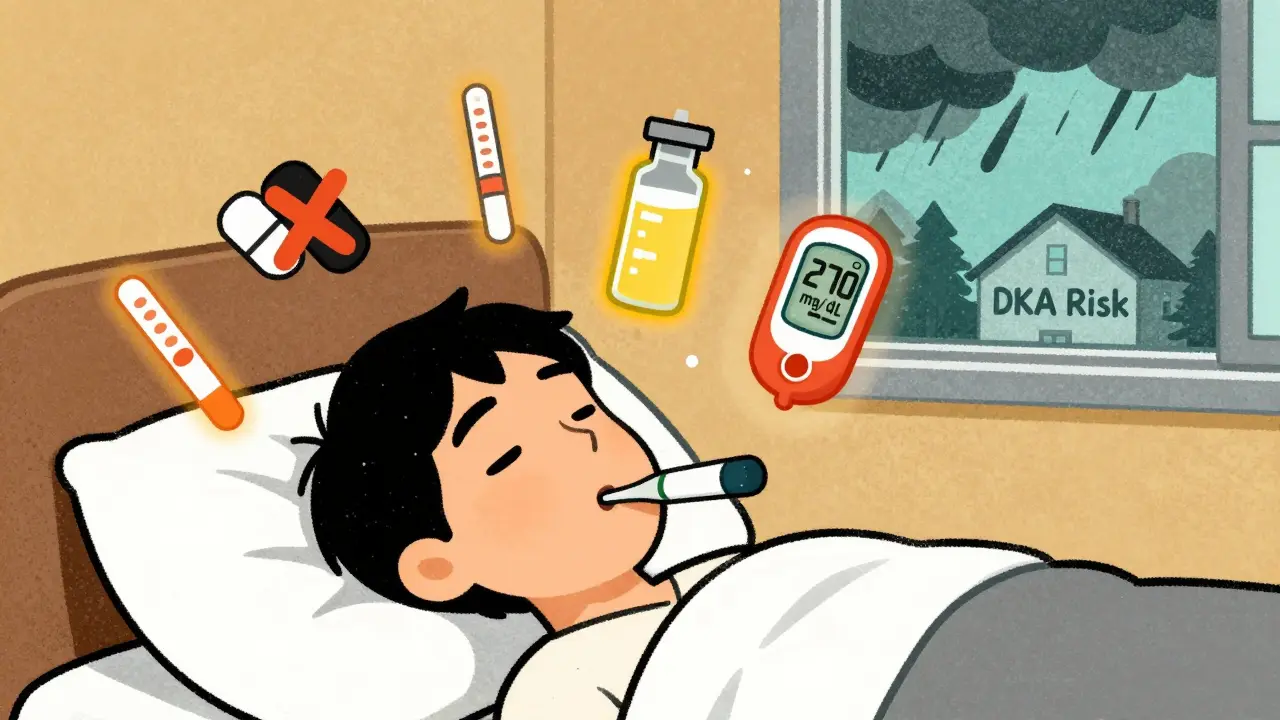
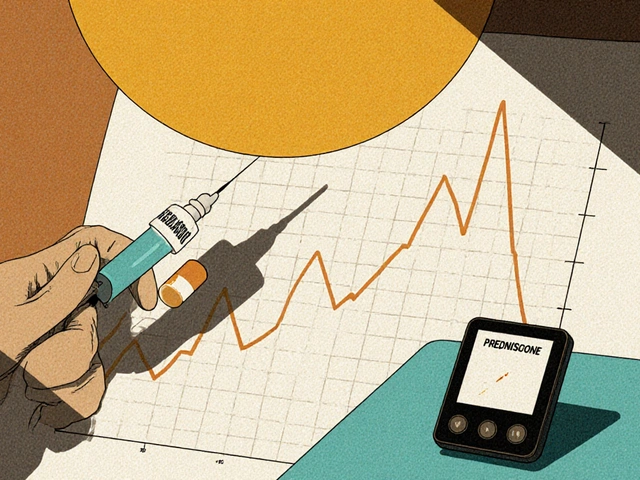
Sick Day Rules for Diabetes Medications: Preventing DKA and AKI
Learn the critical sick day rules for diabetes medications to prevent DKA and AKI. Know exactly when to stop metformin, SGLT2 inhibitors, and ACE inhibitors-and how to adjust insulin during illness.
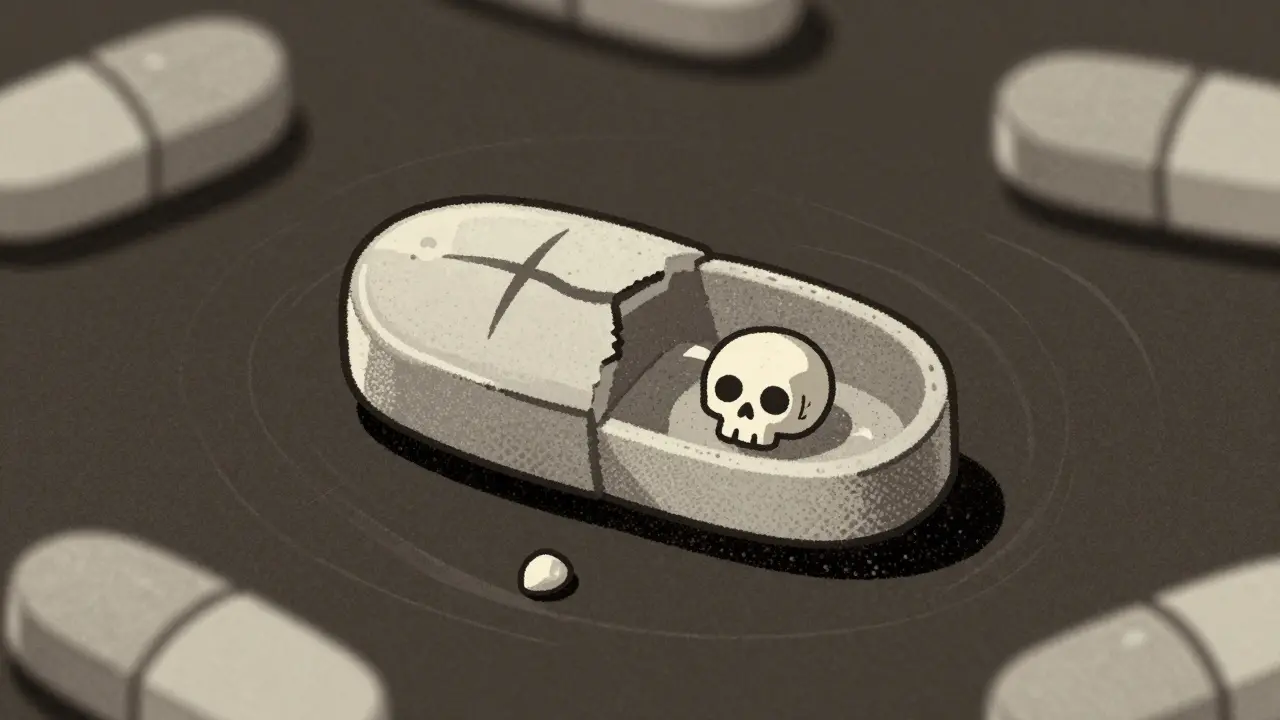
How to Identify Counterfeit Pills That Increase Overdose Danger
Counterfeit pills disguised as prescription drugs often contain lethal fentanyl. Learn how to identify them, use test strips, recognize overdose signs, and protect yourself with naloxone.
Buy Cheap Generic Accutane Online - 2025 Guide
Sep, 28 2025