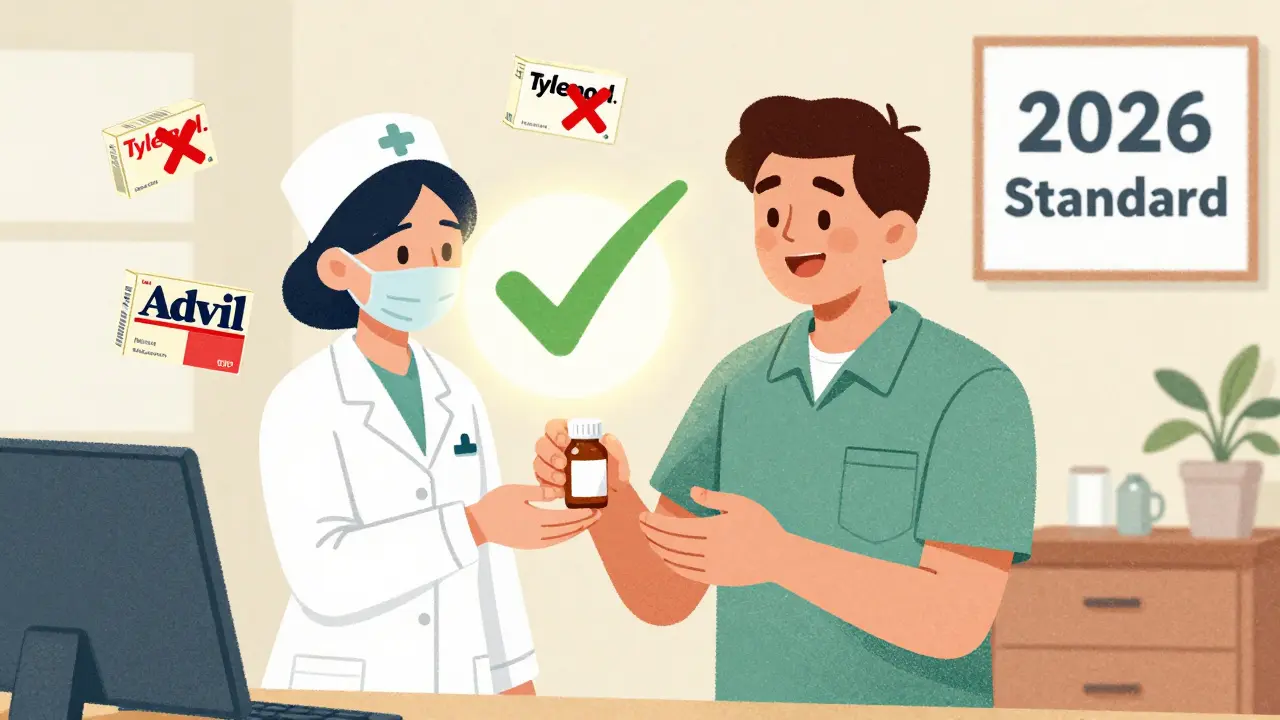
When a worker gets hurt on the job, the goal is simple: get them better, faster, and at the lowest possible cost. That’s where generic substitution comes in. It’s not a loophole or a cost-cutting trick-it’s a well-established, science-backed practice that replaces brand-name medications with FDA-approved generics in workers’ compensation cases. And in 2026, it’s not just common-it’s the standard.
Why Generic Drugs Are the Default in Workers’ Comp
Generic drugs aren’t cheaper because they’re weaker. They’re cheaper because they don’t carry the marketing, R&D, and patent protection costs of brand-name drugs. The FDA requires generics to have the exact same active ingredient, strength, dosage form, and route of administration as the brand. More importantly, they must prove they work the same way in the body-what’s called bioequivalence. That means if a worker takes a generic version of ibuprofen instead of Advil, their body processes it identically. In workers’ compensation, this isn’t optional. By 2023, 44 states and D.C. had laws allowing or requiring generic substitution unless a doctor documents a medical reason not to. Tennessee’s 2023 Medical Fee Schedule says it plainly: “An injured employee should receive only generic drugs… unless the authorized treating physician documents medical necessity for the brand-name product.” The numbers speak for themselves. In 2015, generic drugs made up 84.5% of prescriptions in managed workers’ comp programs. By 2023, that jumped to 89.2%. In California, it’s now 92.7%. Meanwhile, brand-name drug prices rose 65.5% over five years, while generic prices dropped 35%. A $100 brand-name painkiller? The generic version costs about $20.How It Works: Formularies, PBMs, and Prior Authorization
You won’t see a doctor just scribbling “Advil” on a prescription anymore. Instead, most workers’ comp cases go through a Pharmacy Benefit Manager (PBM)-companies like OptumRx, Express Scripts, or Prime Therapeutics-that control about 65% of the market. These PBMs use drug formularies, which are lists of approved medications. If a generic exists, it’s automatically substituted unless the doctor overrides it. But overriding isn’t easy. To get a brand-name drug approved, the doctor must provide specific clinical justification. Patient preference doesn’t count. Saying “I trust the brand more” isn’t enough. You need documented evidence: allergies, failed trials with generics, narrow therapeutic index concerns, or rare adverse reactions. Even then, the PBM reviews it. This system cuts waste. In 2016, managed prescriptions made up 74.3% of all workers’ comp prescriptions but accounted for 77.7% of total pharmacy costs. Why? Because generics were already being used in 85.7% of those cases. Today, that ratio is even tighter. States like Colorado now require 95% generic use on their formularies, effective January 2024.When Generics Don’t Work-And Why It’s Rare
Some people worry that generics don’t work as well. They’re not wrong to be cautious-but the data shows those fears are mostly misplaced. Less than 2% of cases involve any kind of therapeutic failure with generics, according to Coventry’s 2016 data. That’s rare. The exceptions are drugs with a narrow therapeutic index-medications where tiny differences in blood levels can cause big problems. Think warfarin (blood thinner), levothyroxine (thyroid), or some seizure meds. For these, doctors may choose to stick with a brand if switching causes instability. But even here, the FDA approves many generics, and most are safe. The key is monitoring, not avoidance. The bigger issue isn’t science-it’s perception. A 2019 survey found 68% of injured workers believed brand-name drugs were superior. After using generics, 82% said they worked just as well. Still, that initial distrust lingers. Nurses and occupational health providers spend hours explaining that generics aren’t “cheap knockoffs.” They’re FDA-verified, chemically identical, and clinically equivalent.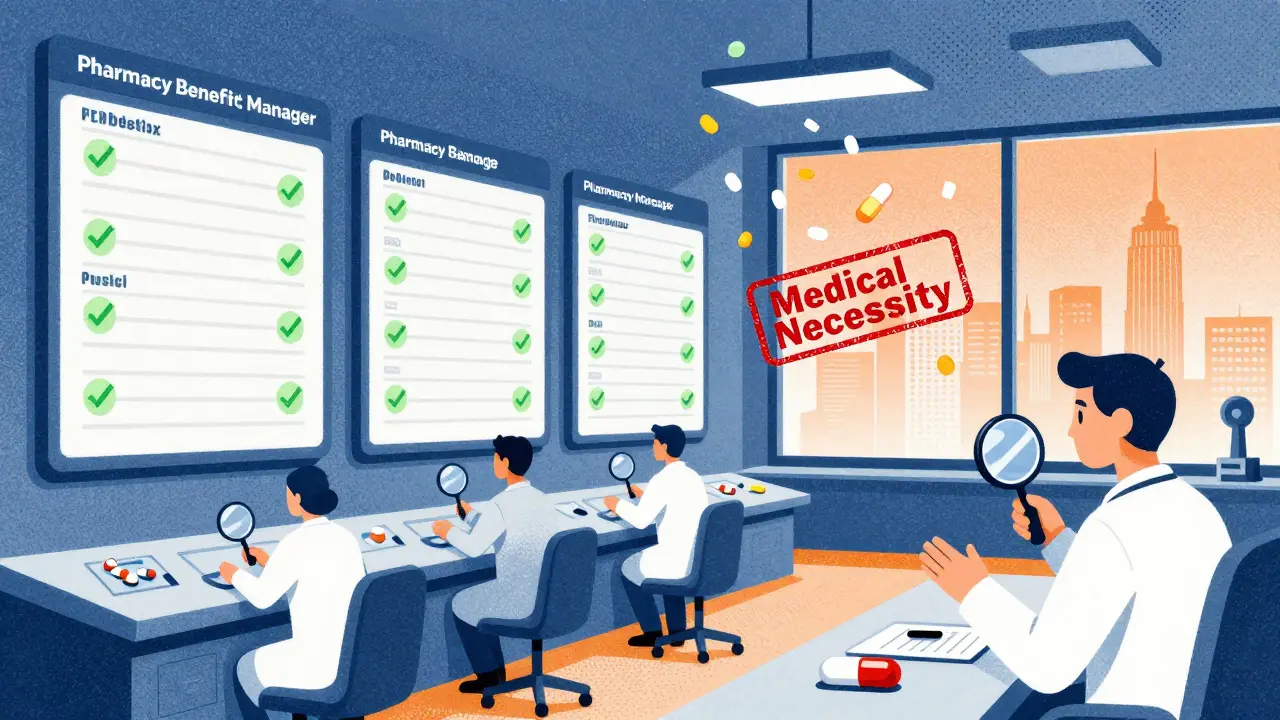
Who’s Driving the Change-and Who’s Fighting It
The push for generics comes from three places: state laws, PBMs, and the rising cost of brand-name drugs. The American College of Occupational and Environmental Medicine (ACOEM) supports generic substitution as evidence-based practice. So do most workers’ comp insurers. But there’s resistance. Some brand-name manufacturers have used legal tactics to delay generic entry, extending monopolies beyond their patent terms. And in recent years, even the generic market has seen problems. Enlyte’s 2022 analysis found that some generic manufacturers have colluded to keep prices high, especially for older drugs with low profit margins. When only one or two companies make a generic, prices can spike-even though there’s no brand-name competition. The result? A system that’s mostly working-but not perfectly. In states without formal formularies, generic use averages just 83.1%. In states with strong rules, it’s over 90%. That gap isn’t about medical need-it’s about policy.What Workers and Providers Need to Know
If you’re an injured worker: You’re not being shortchanged. You’re getting the same medicine, for less. Ask your provider to explain why a brand is being recommended. If they say “it’s better,” ask for the data. If they say “I’ve seen better results,” ask if they’ve tried the generic first. If you’re a provider: Know your state’s formulary. Learn how to document medical necessity properly. Don’t default to brand names because it’s easier. That’s not good medicine-it’s bad stewardship. Use the FDA’s Orange Book to check therapeutic equivalence ratings. It’s free, online, and updated daily. If you’re an employer or insurer: Support the system. Generic substitution saves money without sacrificing care. That money goes back into faster recovery, better rehab, and fewer lost workdays.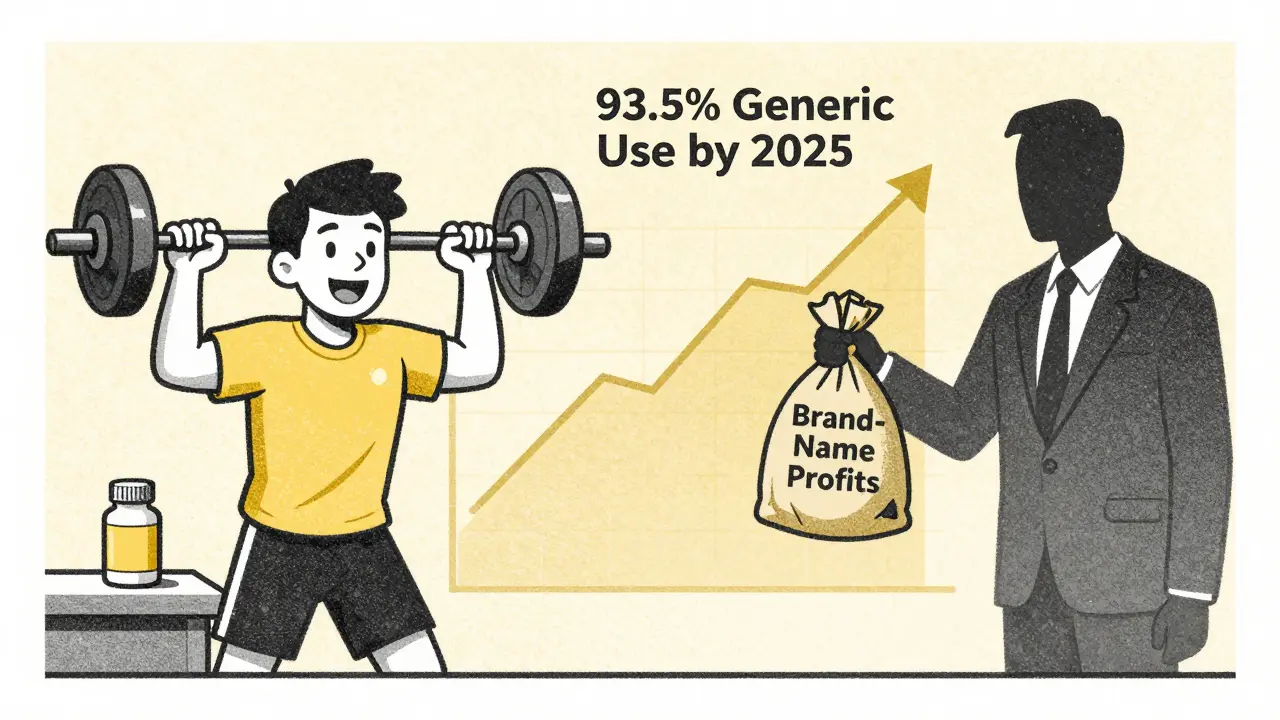

Kyle King
January 7, 2026 AT 17:00Oh sure, let’s just hand out generic pills like candy and pretend it’s all fine. You know who makes these generics? China and India. Ever heard of fentanyl-laced ibuprofen? Yeah, me neither… until I started digging. The FDA? More like FDA-Approved Fairy Tales. They approve anything if the paperwork’s neat. I’ve seen workers on generics who got worse. No one talks about that. This isn’t science-it’s corporate greed in a white coat.
Kamlesh Chauhan
January 9, 2026 AT 11:05generic good cheap no problem
Emma Addison Thomas
January 10, 2026 AT 01:43I’ve worked in UK occupational health for over a decade, and the same principles apply here. Generics are standard, and patients rarely notice a difference. What’s fascinating is how cultural attitudes toward medication vary-Americans often assume 'brand = better,' while in Europe, there’s more trust in regulation. It’s less about the drug and more about the story we tell ourselves about it.
Christine Joy Chicano
January 10, 2026 AT 15:10Let’s not romanticize this. The data is unequivocal: bioequivalence isn’t a marketing slogan-it’s a pharmacokinetic reality. The FDA’s ANDA process demands dissolution profiles within ±10% of the brand, and multiple studies confirm therapeutic interchangeability. The real scandal isn’t generic substitution-it’s the predatory pricing of brand-name drugs that exploit monopolies, and the PBM opacity that obscures true cost drivers. Also, 'Enlyte’s 2022 analysis' cited in the post? That’s a red flag. Enlyte’s a generic manufacturer. Their 'collusion' claims are self-serving. The real collusion is in the patent evergreening by Big Pharma.
Adam Gainski
January 11, 2026 AT 08:08As a rehab nurse, I’ve seen this play out every day. Workers come in scared they’re getting 'second-rate' meds. I show them the FDA’s Orange Book side by side-same active ingredient, same dose, same shelf life. After a few weeks, they’re like, 'Huh. I feel the same.' The savings? They go toward physical therapy, better shoes, or even a meal they didn’t have to skip. This isn’t cutting corners-it’s cutting waste so care can go further.
Paul Mason
January 11, 2026 AT 10:46Look, I’m not a doctor but I’ve been on workers’ comp for three years. They gave me the generic version of my pain med. I didn’t feel a thing different. My buddy got the brand? Paid more, felt the same. So why are we even arguing? Just give us the cheap one and save the cash for my knee surgery. Simple.
steve rumsford
January 12, 2026 AT 09:05the system is rigged and everyone knows it. generics are fine until the batch from bangladesh comes in and you start having heart palpitations. then you find out the pill you got was made in a factory that got shut down in 2021. but hey, at least it was cheap right?
Andrew N
January 12, 2026 AT 18:4092.7% generic use in California? That’s statistically significant, but correlation isn’t causation. The real issue is the decline in prescriber autonomy. When PBMs control formularies without clinical input, you’re not optimizing care-you’re optimizing spreadsheets. And the 2% therapeutic failure rate? That’s still 2% of people who got worse. That’s not negligible. It’s systemic negligence dressed up as efficiency.
LALITA KUDIYA
January 13, 2026 AT 03:24in india we use generics all the time and its fine 😊
Poppy Newman
January 14, 2026 AT 20:42the fact that we’re still having this conversation in 2026 is wild 🤯 generics have been around for decades. if your body reacts differently to a pill because of the color or shape? that’s placebo, not pharmacology. science wins again 💊
Anthony Capunong
January 15, 2026 AT 13:47Let’s be real-this whole generic push is just a Trojan horse for global supply chain control. The U.S. used to make its own meds. Now? We’re dependent on foreign labs with zero accountability. This isn’t progress-it’s surrender. And if you think the FDA is watching, you’re delusional. We’re trading national health security for pennies on the dollar. Shameful.