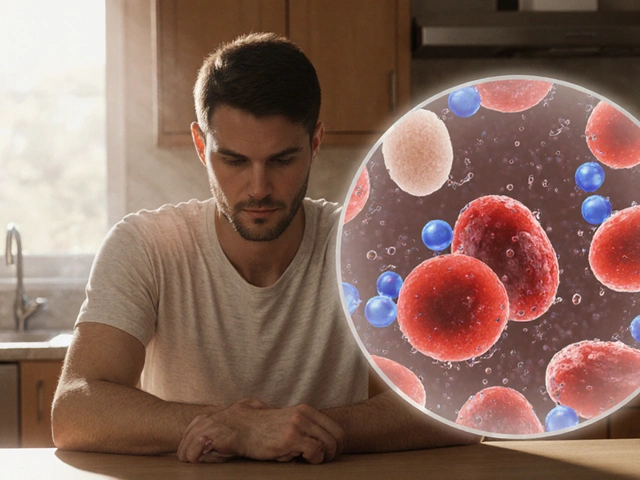
Counterfeit medications are not just a problem in distant countries or shady back-alley deals. They are a growing threat right here in Australia and globally, hiding in plain sight within online pharmacies and even compromised supply chains. The World Health Organization (WHO) defines these as products deliberately and fraudulently mislabeled regarding identity or source. Unlike substandard medicines that fail due to poor manufacturing, counterfeits are intentionally falsified for profit. With Interpol reporting a 40% increase in seizures between 2019 and 2022, the risk is real. You might be taking a pill you think is safe, but it could contain toxic contaminants, zero active ingredients, or lethal doses of hidden substances like fentanyl.
The scary part? You often can’t tell by looking alone. While packaging clues exist, the most reliable warning signs come from your body’s reaction-or lack thereof-to the drug. If you’ve ever wondered if your medication is working or why you’re feeling strange after starting a new treatment, this guide breaks down exactly what to watch for. We’ll look at the physical red flags, the physiological symptoms, and the steps you need to take immediately if you suspect something is wrong.
Physical Red Flags: Inspecting Your Medication
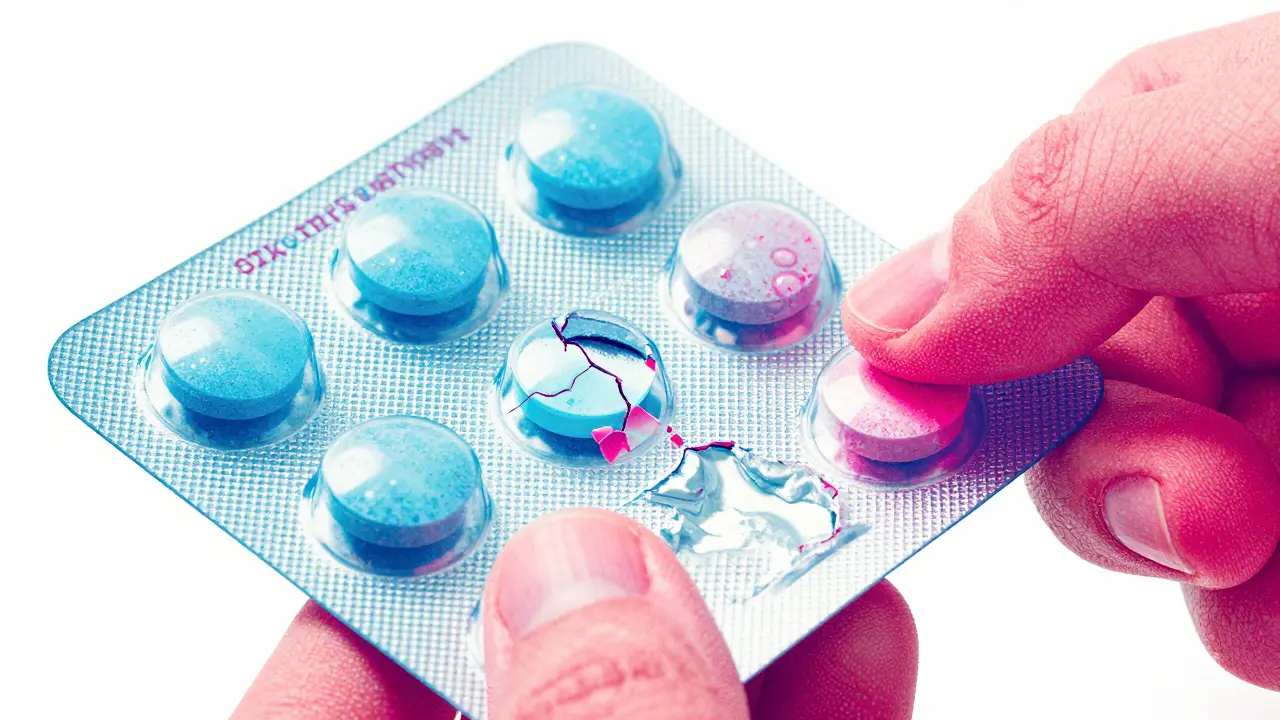
Before you even swallow a pill, there are visual cues that should raise an alarm. Legitimate pharmaceutical companies manufacture drugs with precision tolerances of ±5%, according to International Council for Harmonisation standards. This means every tablet should look nearly identical. The Therapeutic Goods Administration (TGA) in Australia notes that any variation in size, weight, color, quality, or embossing could indicate a forgery.
- Tablet Appearance: Look for cracks, bubbled coatings, or crumbly textures. Pfizer’s identification guide highlights these as common defects in fakes.
- Label Errors: Spelling mistakes are the biggest giveaway. A study by Pfizer found that 78% of verified counterfeits contained at least one misspelled word.
- Packaging Anomalies: Check for mismatched colors, inconsistent font sizes, or missing security holograms. The FDA warned about counterfeit Muro 128 eye drops in 2023 where packaging lacked specific security features.
- Sealing Issues: Look for breaks in sealing tape or altered expiry dates. The UK’s Medicines and Healthcare products Regulatory Agency (MHRA) reported altered dates in 63% of counterfeit cases.
If your current refill looks different from your previous ones-different shade, different texture, or different box design-stop and investigate. Don’t assume it’s just a new batch. Contact your pharmacist immediately.
Physiological Symptoms: When Your Body Reacts
If the pill passes the visual inspection, your body will tell you next. The most common initial symptom is simply that the medication doesn’t work. Eli Lilly reported that 89% of counterfeit complaints involved patients experiencing a complete lack of therapeutic effect despite proper dosing. If you’ve taken antibiotics for three days and still have a fever, or if your painkillers aren’t touching your headache, the drug might be inert sugar or chalk.
However, "doing nothing" isn’t the only danger. Some counterfeits contain toxic contaminants or unexpected active ingredients. Here is what to watch for:
Unexpected Side Effects
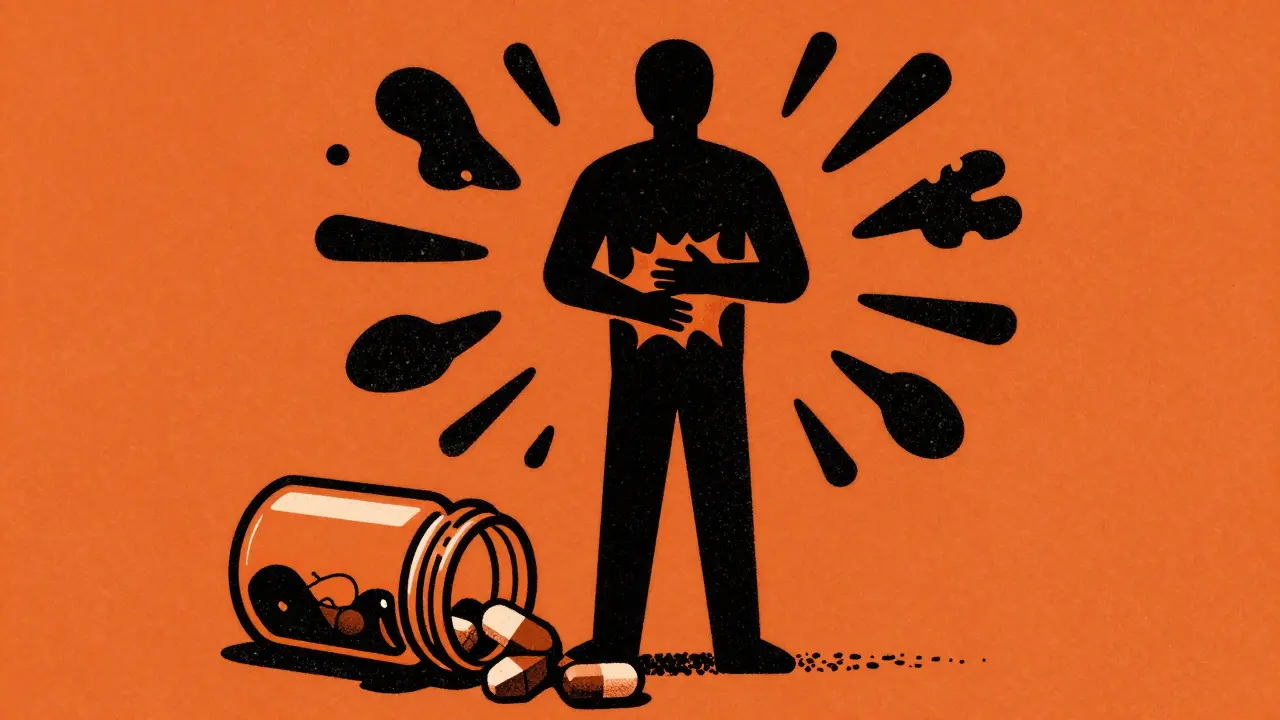
The FDA noted that 74% of verified counterfeit cases involved patients experiencing new or unusual side effects. If you’ve been on a stable dose of a medication for years and suddenly develop nausea, vomiting, dizziness, or organ-specific pain, this is a major red flag. These symptoms may indicate acute poisoning from heavy metals, industrial solvents, or other toxic fillers used to bulk up the pill.
Opioid Overdose Signs
This is the most critical category. Counterfeit opioids often contain fentanyl, which is 50-100 times more potent than heroin. The DEA warns that 26% of seized counterfeit pills in 2021 contained a lethal dose. Symptoms appear within 15-30 minutes and include:
- Respiratory depression: Slow, shallow, or stopped breathing.
- Pinpoint pupils: Constricted eyes that don’t react to light.
- Coma or unconsciousness: Inability to wake the person up.
If you see these signs, call emergency services immediately. Naloxone may be required to reverse the overdose.
Stimulant Toxicity
Counterfeit stimulants like Adderall sometimes contain methamphetamine or other dangerous compounds. Symptoms include rapid heart rate exceeding 120 BPM, blood pressure above 180/110 mmHg, hyperthermia (body temperature over 104°F or 40°C), and extreme agitation. Reddit communities have documented cases where users thought they were taking ADHD medication but experienced opioid withdrawal because the pill actually contained buprenorphine.
High-Risk Categories: Which Drugs Are Most Often Faked?
Not all medications are targeted equally. Criminal networks focus on high-profit, high-demand drugs. Understanding which categories are most vulnerable helps you stay vigilant.
| Medication Category | Risk Level | Common Fake Ingredients/Issues |
|---|---|---|
| Opioids (Painkillers) | Very High | Fentanyl, carfentanil, zero active ingredient |
| Antibiotics | High | Inactive fillers, incorrect dosage leading to resistance |
| Antimalarials | High | Insufficient active ingredients (42% per WHO), toxic contaminants |
| Erectile Dysfunction Drugs | High | Excessive sildenafil causing dangerous blood pressure drops |
| Cancer Treatments | Medium-High | Wrong formulation, delayed treatment window |
| Psychiatric Meds (Adderall, Xanax) | Medium-High | Methamphetamine, benzodiazepine analogs, buprenorphine |
If you are traveling to regions with weaker regulatory oversight, the risk spikes. WHO data suggests counterfeit drugs can constitute up to 30% of the pharmaceutical supply in some developing nations. Never buy meds from street vendors or unverified local shops abroad.
Verification Protocols: How to Confirm Authenticity
Suspecting a fake isn’t enough; you need confirmation. Laboratory testing is the only 100% definitive method, as noted by Pfizer’s Amy Callanan. But you can take immediate steps to verify before going to a lab.
- Check the Lot Number: Every legitimate medicine has a unique lot number printed on the bottle and box. Pharmaceutical companies maintain databases of known counterfeit lots. Eli Lilly, for example, documented 147 counterfeit lot numbers across 22 products in 2022. Visit the manufacturer’s website or call their toll-free number to check if your lot is flagged.
- Contact Your Pharmacist: Pharmacists are trained to spot anomalies. The FDA instructs them to "interrogate PMR systems" (Patient Medication Records) to see if other patients on the same batch reported issues. They can also compare your pill against reference samples.
- Use Official Verification Tools: Many companies now embed digital markers. Merck implemented microscopic DNA markers in Zetia packaging, and Pfizer uses nanotechnology threads in Viagra. Some apps allow you to scan barcodes to verify supply chain integrity.
- Report Suspicious Items: In Australia, report concerns to the TGA. In the US, use the FDA’s MedWatch platform. Reporting helps authorities track trends and intercept bad batches before they reach others.
The Online Pharmacy Trap
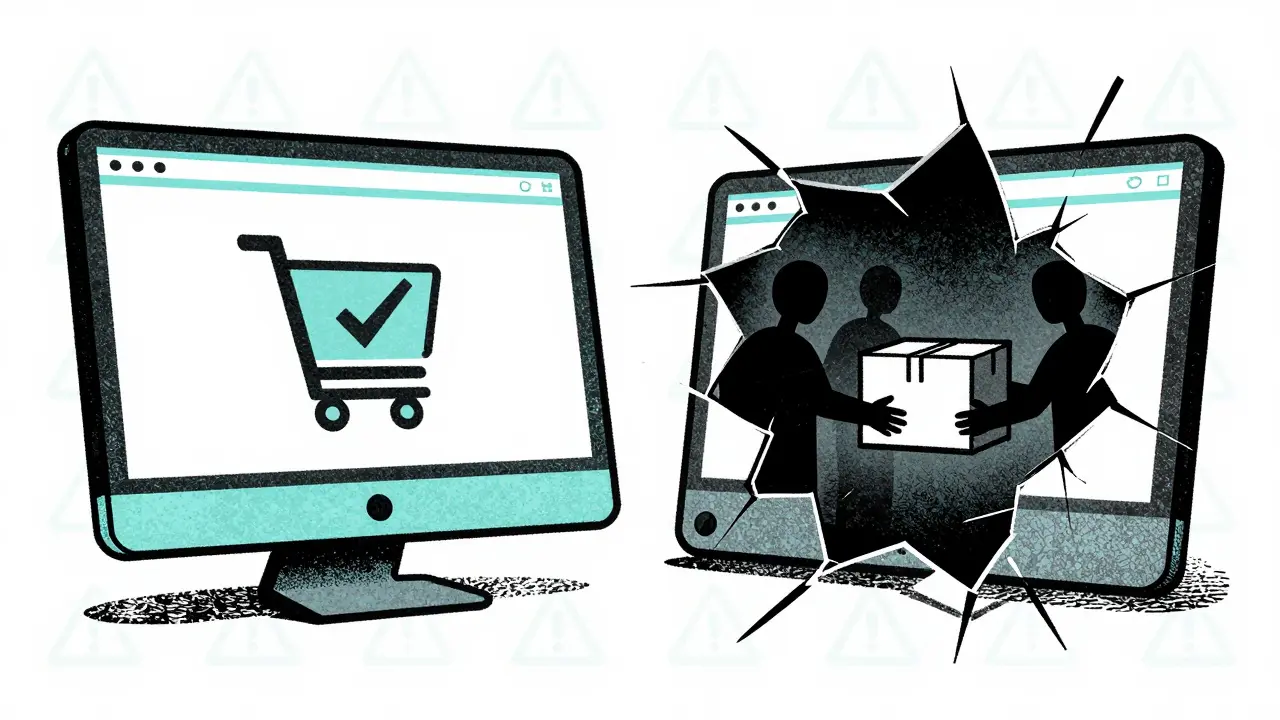
The internet has made buying meds easier, but it’s also opened the floodgates for counterfeits. The DEA reports that 96% of websites selling prescription drugs operate illegally, and 89% distribute counterfeit products containing dangerous substances.
Be wary of sites that:
- Do not require a valid prescription.
- Offer prices significantly lower than local pharmacies.
- Lack physical address information or licensed pharmacist contact details.
- Send packages from countries unrelated to the stated company location.
The CDC’s "Know Your Source" initiative specifically targets social media platforms where counterfeit pills are marketed to teenagers. Just because a product has good reviews on Instagram or TikTok doesn’t mean it’s safe. Influencers are often paid to promote fake goods without knowing the truth.
What To Do If You Suspect a Counterfeit
If you believe you’ve taken a fake medication, act quickly. Do not wait for symptoms to worsen.
- Stop Taking the Medication: Immediately discontinue use unless instructed otherwise by a doctor.
- Seek Medical Attention: If you have adverse reactions, go to the nearest hospital. Bring the remaining pills and packaging with you. This allows doctors to test the substance and treat you appropriately.
- Preserve Evidence: Keep the bottle, box, and any unused pills. Do not throw them away. Authorities need these for investigation.
- Notify Your Provider: Tell your prescribing doctor and pharmacist. They can switch you to a verified alternative and report the incident.
Remember, ignorance is not a defense. Even if you bought the drug from a friend or a seemingly reputable online site, you are responsible for verifying its source. The stakes are too high to gamble with your health.
Can I tell if a pill is counterfeit just by looking at it?
You can spot obvious signs like spelling errors, cracked tablets, or mismatched packaging, but sophisticated counterfeits look nearly identical to real ones. Visual inspection is a first step, but laboratory testing is the only way to confirm 100% authenticity. Always compare new refills to previous ones for consistency.
What are the immediate symptoms of taking a fake opioid?
If the fake opioid contains fentanyl, symptoms can appear within 15-30 minutes and include respiratory depression (slow or stopped breathing), pinpoint pupils, and coma. These are life-threatening emergencies requiring immediate medical intervention and potentially naloxone.
Why does my medication stop working suddenly?
A sudden loss of efficacy is a primary sign of counterfeit medication. Eli Lilly reported that 89% of counterfeit complaints involved a complete lack of therapeutic effect. This happens because the pill may contain no active ingredient or an insufficient amount, rendering it useless for treating your condition.
Is it safe to buy prescription drugs online?
Only from licensed, verified pharmacies. The DEA states that 96% of websites selling prescription drugs operate illegally, and 89% distribute counterfeits. Avoid sites that do not require a valid prescription or offer prices drastically lower than standard market rates.
How can I verify the authenticity of my medication?
Check the lot number on the manufacturer’s website or call their verification hotline. Compare the physical appearance of the pill and packaging to previous refills. Contact your pharmacist to cross-reference the batch with patient reports. Use official verification tools provided by pharmaceutical companies when available.
What should I do if I suspect I took a counterfeit drug?
Stop taking the medication immediately. Seek medical attention if you experience adverse symptoms. Preserve the remaining pills and packaging as evidence. Notify your prescribing doctor and pharmacist so they can report the incident and provide you with a verified alternative.