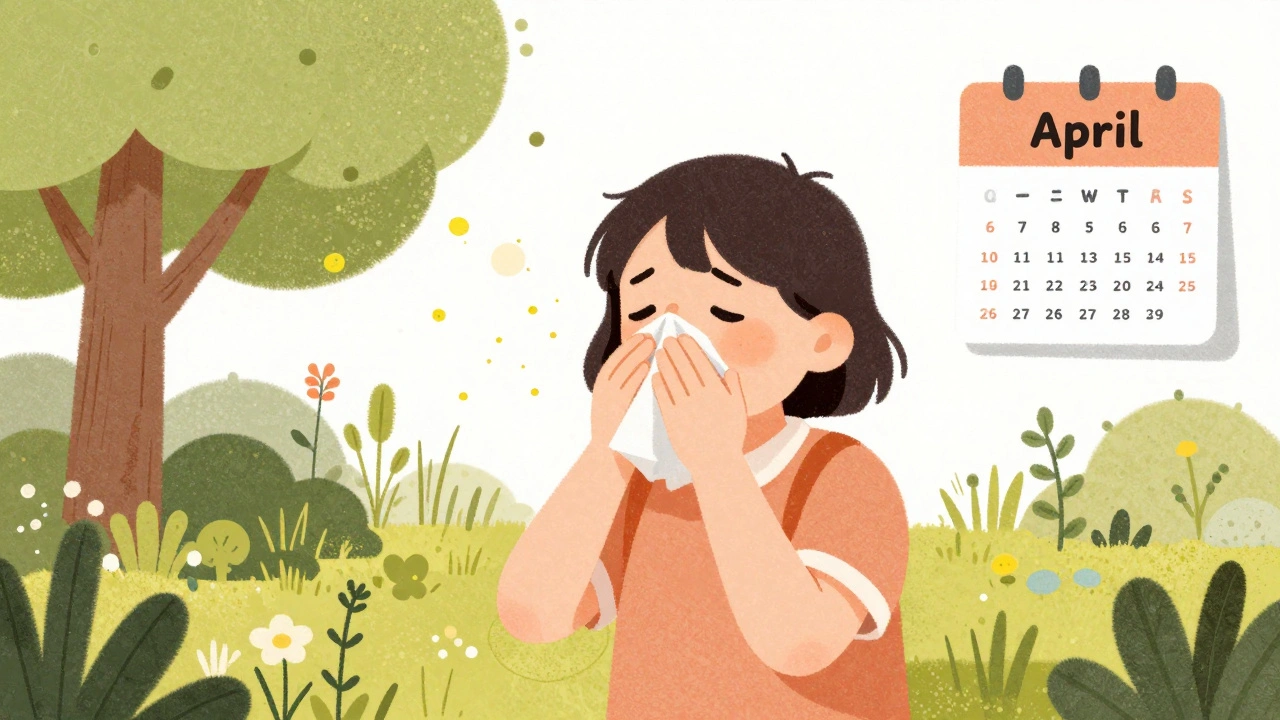
When your nose runs nonstop in spring, or you’re constantly sneezing indoors all year, it’s not just a cold. It’s allergic rhinitis-a real, measurable immune reaction to everyday triggers like pollen, dust mites, or pet dander. Unlike a virus, this isn’t something you’ll outgrow in a week. Left unmanaged, it disrupts sleep, drains your energy, and even affects your focus at work or school. The good news? You don’t have to live like this. With the right approach, you can take back control-no matter if your symptoms show up only in April or every single day.
What’s the Difference Between Seasonal and Perennial Allergies?
Not all allergic rhinitis is the same. Seasonal allergic rhinitis, often called hay fever, flares up during specific times of the year. In Australia, that’s mostly spring and early fall when trees, grasses, and weeds release pollen. If you notice your nose acts up every October when the ragweed is thick or every September when the grasses bloom, you’re dealing with seasonal triggers.
Perennial allergic rhinitis, on the other hand, sticks around all year. It’s caused by indoor allergens you can’t escape: dust mites in your mattress, pet dander from your cat, mold in the bathroom, or even cockroach parts in old kitchens. These don’t disappear with the seasons. That’s why you might feel congested in January just as much as in July.
The key difference? Timing. Seasonal allergies follow the calendar. Perennial ones follow your home. Both cause the same symptoms-sneezing, runny nose, itchy eyes, nasal blockage-but their sources and management strategies differ.
First-Line Treatment: What Actually Works
There’s a lot of noise out there about allergy remedies. Some people swear by honey. Others try essential oils. But clinical evidence points to just a few proven options. For most people, the best place to start is with medication that targets inflammation at its source.
Intranasal corticosteroids are the gold standard. Sprays like fluticasone (Flonase), mometasone (Nasonex), or budesonide (Rhinocort) reduce swelling in your nasal passages. They don’t work instantly-expect 12 to 48 hours before you notice a difference. But after a week of daily use, most people report 30% to 50% less congestion and sneezing. Studies show they’re 20% to 30% more effective than oral antihistamines for stuffy noses.
Oral antihistamines like cetirizine (Zyrtec), loratadine (Claritin), or fexofenadine (Allegra) are great for itching, sneezing, and runny nose. They kick in within an hour and cause less drowsiness than older versions like diphenhydramine (Benadryl). But here’s the catch: they barely touch nasal congestion. If your main problem is blocked airways, antihistamines alone won’t cut it.
That’s why doctors recommend starting with intranasal corticosteroids for moderate to severe symptoms. For mild cases, you might do fine with antihistamines alone. But if you’re still struggling after a few days, switching to a nasal spray makes a real difference.
How to Use Nasal Sprays Right (Most People Get It Wrong)
Here’s something most people don’t know: up to 70% of people use their nasal spray incorrectly. And that cuts its effectiveness in half.
Don’t point the nozzle straight back toward your brain. Aim it slightly outward, toward the outer wall of your nostril-not the middle (the septum). Pointing it wrong can cause nosebleeds. Tilt your head forward slightly. Breathe in gently through your nose as you press the spray. Don’t sniff hard-that sends the medicine to your throat, where it gets swallowed and does nothing for your nose.
After spraying, don’t blow your nose right away. Wait at least 15 minutes. Let the medicine settle. If you’re using two sprays per nostril, switch sides halfway through. And clean the nozzle weekly with warm water-clogged tips mean uneven doses.
Proper technique isn’t optional. It’s what turns a mediocre response into real relief.
When to Consider Immunotherapy
If you’ve tried sprays and pills and still feel miserable, it’s time to think bigger. Immunotherapy doesn’t mask symptoms-it trains your immune system to stop overreacting.
There are two types: allergy shots (subcutaneous immunotherapy, or SCIT) and allergy tablets (sublingual immunotherapy, or SLIT). Shots require weekly visits at first, then monthly for 3 to 5 years. SLIT tablets are taken daily at home. The most common ones in Australia target grass or ragweed pollen.
Both reduce symptoms by 30% to 45% over time. SLIT is more convenient-no needles, no clinic visits. But it can cause mouth itching, and you have to wait five minutes after taking it before eating or drinking. About one in three people drop out in the first year because of that.
Shots have a slightly higher success rate but come with a small risk of anaphylaxis (about 0.2% per dose). SLIT is safer (0.07% risk), and the FDA now requires the first dose to be given in a medical setting with an epinephrine auto-injector on hand.
Immunotherapy isn’t a quick fix. It takes months to start working. But for people with severe allergies who can’t avoid triggers, it’s the only treatment that can change the long-term course of their disease. Studies show kids who start SLIT early are 67% less likely to develop asthma later.
Environmental Control: What Actually Reduces Exposure
You can’t always avoid pollen, but you can reduce your exposure. And for dust mites and mold, you can do a lot more.
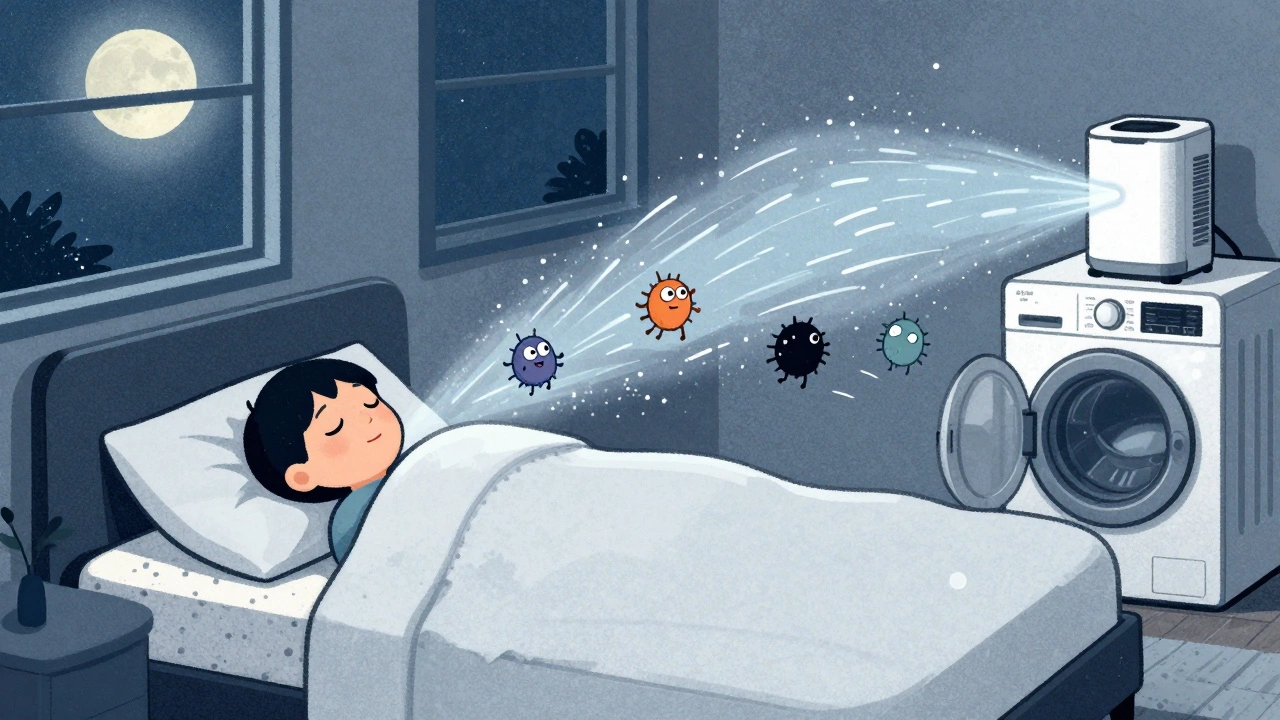
For dust mites: wash your sheets and pillowcases every week in water hotter than 54°C (130°F). Use allergen-proof covers on your mattress and pillows. These reduce dust mite exposure by 83%. Keep indoor humidity below 50% with a dehumidifier-dust mites die in dry air.
For pets: keep them out of the bedroom. Vacuum weekly with a HEPA filter. Bathe your cat or dog every week-pet dander clings to fur. If you’re really sensitive, consider replacing carpet with hard flooring.
For pollen: check daily pollen counts (apps like Pollen Sense are reliable). When counts exceed 9.7 grains per cubic meter, keep windows closed, especially in the morning. Wear wraparound sunglasses outside-they cut eye irritation by 35%. Shower and change clothes after coming in from outdoors. Pollen sticks to hair and clothes like glue.
Mold? Fix leaks. Use exhaust fans in bathrooms and kitchens. Clean shower curtains monthly with vinegar. Don’t let damp towels sit around.
These aren’t just tips-they’re evidence-backed steps that reduce symptoms by up to 40% when combined with medication.
What About Saline Rinses and Decongestants?
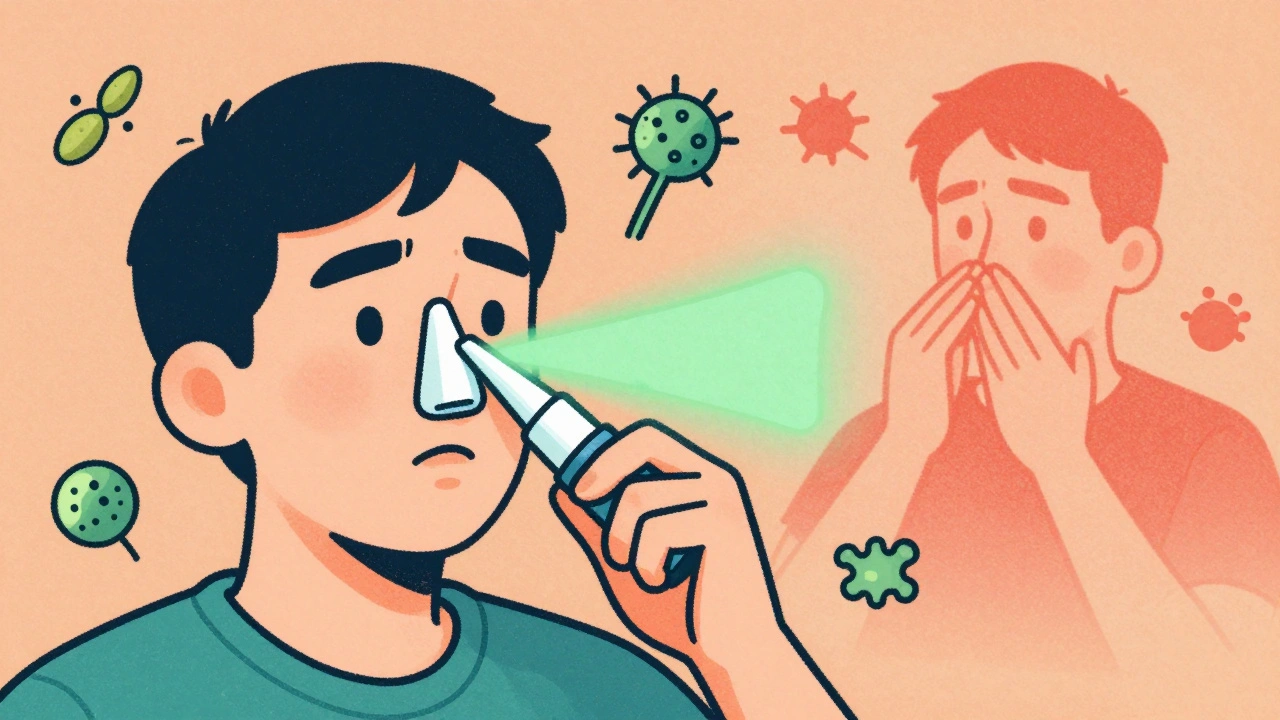
Saline nasal rinses (using a neti pot or squeeze bottle) are simple, cheap, and effective. A 2022 survey found 62% of users felt better when they rinsed twice daily. It flushes out pollen, mucus, and irritants. Use distilled or boiled water only-tap water can carry dangerous microbes.
Decongestants? Use them carefully. Oral ones like pseudoephedrine (Sudafed) help with short-term stuffiness but shouldn’t be used longer than 3 to 7 days. They can raise blood pressure and cause insomnia. Nasal sprays like oxymetazoline (Afrin) are even riskier. Using them for more than three days in a row can cause rebound congestion-your nose gets worse when you stop. That’s called rhinitis medicamentosa. It’s a vicious cycle many don’t realize they’re stuck in.
Stick to saline rinses for daily maintenance. Save decongestants for emergencies, like before a flight or a big meeting.
The New Players: Biologics and Combination Sprays
Medicine is moving fast. In late 2023, the FDA approved tezepelumab, the first biologic for allergic rhinitis. It blocks a protein called TSLP that triggers the allergic cascade. In trials, it cut seasonal symptoms by 42% compared to placebo. It’s not yet widely available in Australia, but it’s coming.
Meanwhile, combination nasal sprays like azelastine/fluticasone (Dymista) are already here. They merge an antihistamine and a corticosteroid in one spray. They work faster than corticosteroids alone-relief in 30 minutes-and are 15% to 20% more effective. They’re prescription-only but worth asking about if you’re not responding to single-agent sprays.
These aren’t magic bullets, but they’re powerful tools for people who’ve tried everything else.
Why So Many People Stay Stuck
Here’s the uncomfortable truth: 60% of people with allergic rhinitis self-treat with over-the-counter pills for years before seeing a specialist. The average time to get proper care? Over three years.
Why? Because symptoms feel normal. People think, "It’s just allergies," and keep pushing through. Others give up on nasal sprays because they don’t work immediately. Adherence to corticosteroid sprays is only 30% to 50% after a year.
But untreated allergic rhinitis doesn’t stay mild. It increases your risk of ear infections, sinusitis, sleep apnea, and asthma. It lowers productivity and quality of life. The economic cost? Over $11 billion globally in 2022, and rising.
You don’t have to be one of those people. If you’ve been struggling for more than a few weeks, it’s time to talk to a doctor-not just for a prescription, but for a plan. Allergic rhinitis is manageable. You just need the right tools, used the right way.
Can allergic rhinitis turn into asthma?
Yes, especially in children. Allergic rhinitis and asthma are part of the same allergic pathway. Up to 40% of people with hay fever develop asthma. Studies show that starting immunotherapy early-especially in kids-can reduce the chance of developing asthma by 67%. Controlling nasal inflammation may protect the lungs.
Are natural remedies like honey or quercetin effective?
There’s no solid evidence that local honey reduces pollen allergies. The pollen in honey is from flowers, not the wind-borne types that cause hay fever. Quercetin, a plant compound, shows promise in lab studies but hasn’t proven effective in human trials for allergic rhinitis. Stick to treatments backed by clinical data-don’t waste time or money on unproven options.
Can I use nasal sprays while pregnant?
Yes, intranasal corticosteroids like budesonide and fluticasone are considered safe during pregnancy. They’re minimally absorbed into the bloodstream. Oral antihistamines like loratadine and cetirizine are also low-risk. Avoid decongestants in the first trimester. Always check with your doctor before starting or changing any medication while pregnant.
How long does it take for immunotherapy to work?
You might notice small improvements in 3 to 6 months, but full benefits usually take 12 to 18 months. Immunotherapy is a long-term commitment-typically 3 to 5 years. The goal isn’t just symptom relief during the treatment period, but long-term tolerance after you stop. Many people stay symptom-free for years after finishing.
Is it safe to use allergy medication every day?
Yes, for intranasal corticosteroids and second-generation oral antihistamines. These are designed for daily, long-term use. Unlike decongestants, they don’t cause rebound effects or tolerance. Systemic side effects are rare at recommended doses. The biggest risk is poor technique or skipping doses because you don’t feel immediate results.
If you’ve been managing allergies with guesswork, it’s time to switch to a science-backed plan. Start with a nasal corticosteroid, use it correctly, combine it with environmental controls, and don’t hesitate to ask about immunotherapy if you’re still struggling. You don’t have to live with a constant drip or a blocked nose. Better breathing is possible-and it starts with the right steps.





Hamza Laassili
December 14, 2025 AT 02:46Emily Haworth
December 14, 2025 AT 06:35Tom Zerkoff
December 15, 2025 AT 01:47Yatendra S
December 15, 2025 AT 07:44Himmat Singh
December 16, 2025 AT 07:52nithin Kuntumadugu
December 17, 2025 AT 18:50John Fred
December 19, 2025 AT 05:23Harriet Wollaston
December 19, 2025 AT 09:35Lauren Scrima
December 19, 2025 AT 20:48sharon soila
December 20, 2025 AT 14:06nina nakamura
December 20, 2025 AT 22:00Constantine Vigderman
December 21, 2025 AT 03:42Cole Newman
December 21, 2025 AT 23:48Casey Mellish
December 23, 2025 AT 07:20Tyrone Marshall
December 23, 2025 AT 10:36