Sick Day Medication Decision Guide
Your Current Situation
Your Current Medications
Your Sick Day Medication Plan
Next Steps
When you’re sick, your body is under stress. That stress doesn’t just make you feel worse-it can push your diabetes out of control and trigger life-threatening complications like diabetic ketoacidosis (DKA) and acute kidney injury (AKI). For people with diabetes, being sick isn’t just about resting and drinking soup. It’s about knowing exactly which medications to stop, which to keep, and when to call for help. Ignoring these rules can land you in the hospital-sometimes within hours.
Why Illness Is Dangerous for People with Diabetes
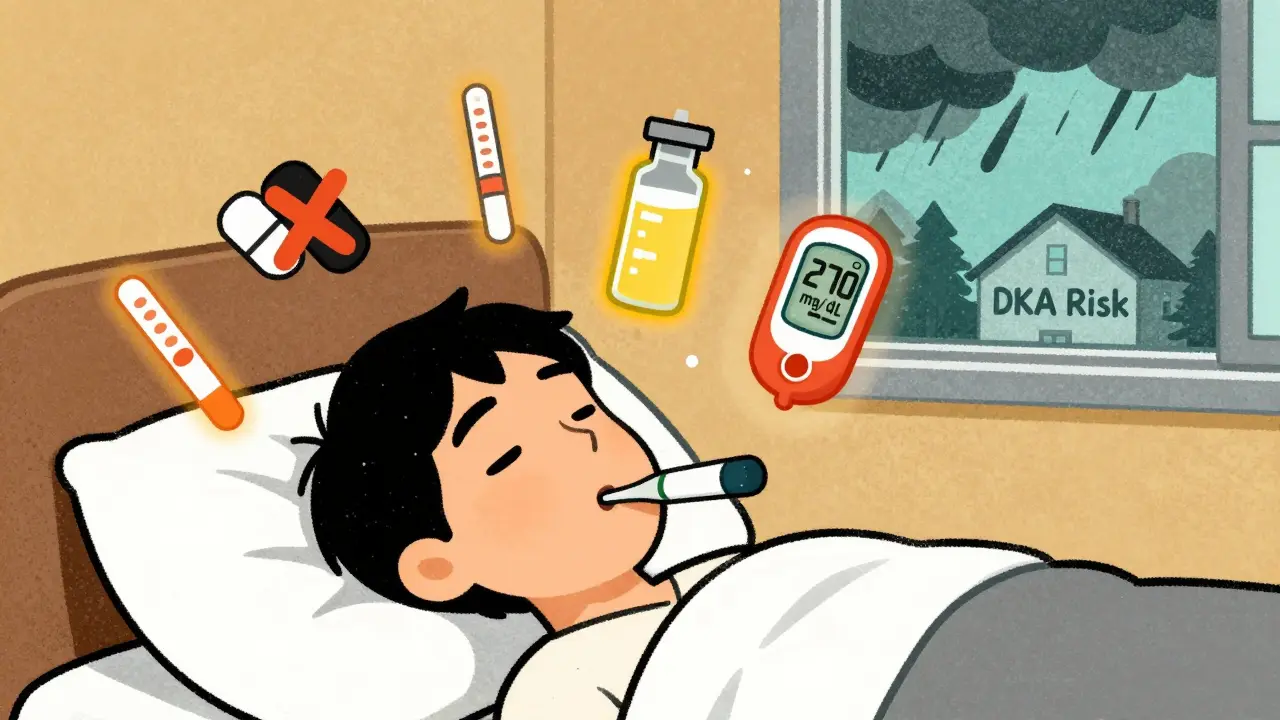
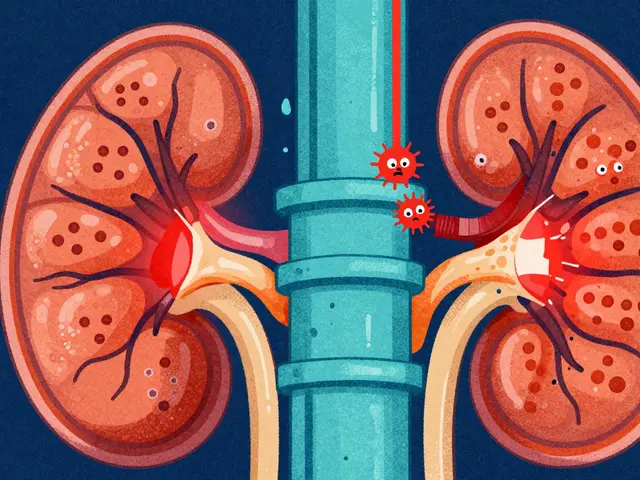
When you have an infection, fever, vomiting, or diarrhea, your body releases stress hormones like cortisol and adrenaline. These hormones tell your liver to pump out more glucose. But if you’re not eating or drinking enough, your body starts breaking down fat for energy. That produces ketones. Too many ketones + high blood sugar = DKA. At the same time, dehydration from illness reduces blood flow to your kidneys. If you’re on medications like metformin or ACE inhibitors, that drop in kidney function can trigger AKI. A 2022 JAMA study found that people with diabetes are 300% more likely to develop DKA and 200% more likely to suffer AKI during illness than when they’re healthy.
These aren’t rare events. In the U.S., 12.7% of all diabetes-related hospitalizations happen because someone didn’t adjust their meds during sickness. And it’s not just type 1 diabetes-type 2 patients are just as vulnerable, especially if they’re on SGLT2 inhibitors or ACE inhibitors.
Which Medications to Stop (and When)
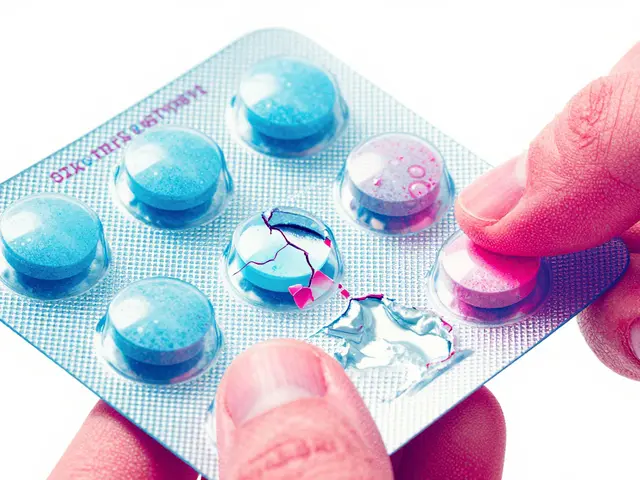
Not all diabetes meds are safe to take when you’re sick. Some become dangerous. Here’s what you need to know:
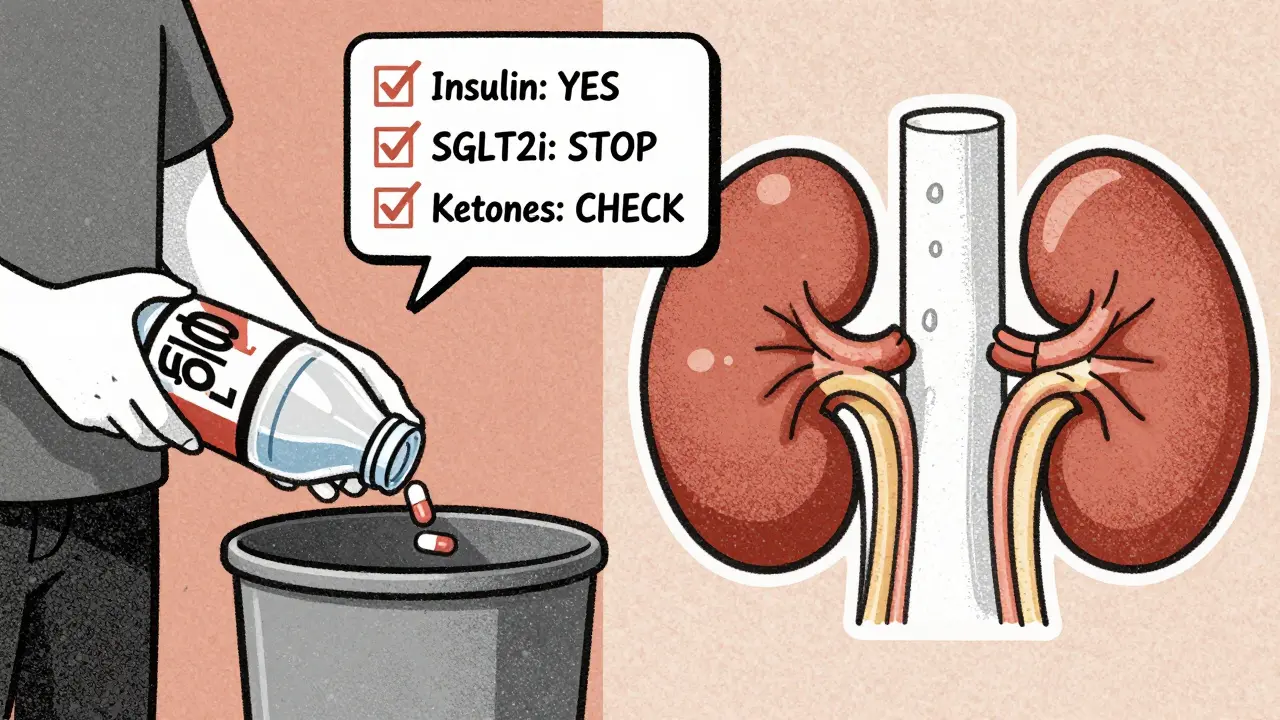
- Metformin: Stop immediately if you’re vomiting, have diarrhea, or have a fever over 100.4°F (38°C). Why? When you’re dehydrated, your kidneys can’t clear metformin well. That raises lactic acid levels. A 2019 NEJM study of nearly 18,500 patients found an 8.3-fold increase in lactic acidosis risk when creatinine rises above 1.5 mg/dL. Even if you feel fine, if you can’t keep fluids down, stop metformin.
- SGLT2 inhibitors (empagliflozin, dapagliflozin, canagliflozin): These must be stopped at the first sign of illness. The FDA issued a safety alert in 2021 after reviewing over 1,200 adverse events. These drugs cause a dangerous form of DKA called euglycemic DKA-where blood sugar isn’t sky-high, but ketones are. One study showed that waiting 24 hours after vomiting to stop SGLT2 inhibitors increases DKA risk by 300%. Don’t wait. Stop it now.
- ACE inhibitors and ARBs (lisinopril, losartan, valsartan): If you’re drinking less than 1,500 mL (about 50 oz) of fluid in 24 hours, pause these. They help protect your kidneys when you’re healthy. But when you’re dehydrated, they can cause your kidneys to shut down. A 2022 meta-analysis found a 40% increased risk of AKI when fluid intake drops below that threshold. This applies even if you’re not diabetic-these drugs are common for blood pressure, and many people with diabetes take them.
Important: Don’t stop insulin. Ever. Not even for a day. Your body still needs insulin to stop ketone production-even if you’re not eating. You might need more, less, or the same amount, but you must keep taking it.
How to Adjust Insulin During Illness
Insulin needs change during illness. But the rules are different for type 1 and type 2.
- Type 1 diabetes: Check your blood sugar every 2-4 hours. If it’s above 15 mmol/L (270 mg/dL), you likely need extra insulin. Most people need to increase their basal (long-acting) insulin by 10-20% every 4 hours. Don’t skip your long-acting insulin just because you’re not eating. Your liver is still releasing glucose. If you’re using an insulin pump, increase your basal rate. If you’re on injections, give extra doses of fast-acting insulin every 4 hours. Keep a log.
- Type 2 diabetes on insulin: About 68% of patients need higher insulin doses during illness, according to a 2023 Diabetes Care trial. But there’s no one-size-fits-all rule. If you’re on once-daily insulin, you might need to split it into two doses. If you’re on multiple daily injections, you may need to add a correction dose every 4 hours. Always check ketones if your blood sugar stays above 240 mg/dL (13.3 mmol/L).
Monitoring: What to Check and How Often
You can’t guess your way out of this. You need data.
- Blood glucose: Test every 2-4 hours. That’s at least 6 times a day. Set phone alarms. Write each number down. The goal during illness is 100-180 mg/dL (5.6-10 mmol/L). Don’t panic if it’s higher than usual-your body is fighting infection. But if it stays above 240 mg/dL for more than 6 hours, test for ketones.
- Ketones: Test with urine strips or a blood ketone meter. Urine ketones over 1.5 mmol/L or blood ketones over 0.6 mmol/L mean danger. Don’t wait. Call your doctor or go to the ER. Euglycemic DKA can sneak up on you-even if your sugar is only 180 mg/dL.
- Fluid intake: Aim for at least 1,500 mL (50 oz) of fluids daily. Water, broth, sugar-free drinks, electrolyte solutions like Nuun. If you can’t keep fluids down for more than 4 hours, it’s time to get help.
What to Keep in Your Sick-Day Kit
Prepare before you get sick. Don’t wait until you’re vomiting to realize you’re out of ketone strips.
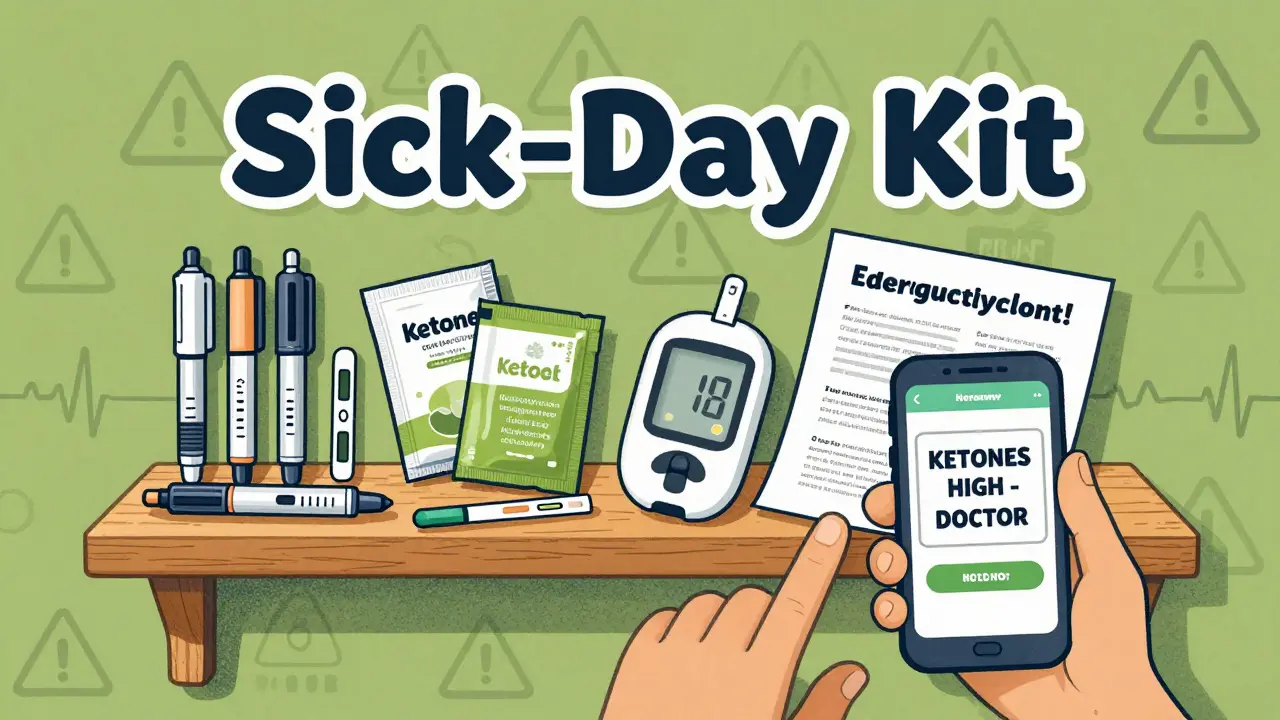
Build a kit 30 days before flu season (October is ideal). Include:
- Glucose meter with 50+ test strips
- Ketone strips (10+ urine strips or a blood ketone meter with 5-10 test strips)
- 7-day supply of all your medications (including insulin)
- 6 sugar-free beverages (12 oz each) - water, diet soda, sugar-free electrolyte drinks
- Electrolyte packets (Nuun, Liquid IV, or similar)
- ADA Sick Day Log (print or digital copy)
- Emergency contact list: doctor, endocrinologist, pharmacy, and a trusted family member
People who use these kits are 78% less likely to be hospitalized during illness, according to Joslin Diabetes Center data.
When to Go to the ER
These are red flags. Don’t wait. Don’t hope it gets better. Go now:
- Blood sugar below 70 mg/dL and doesn’t improve after 30g of fast-acting carbs (juice, glucose tablets)
- Ketones above 1.5 mmol/L that don’t drop after 2 hours of fluids and insulin
- Vomiting for more than 4 hours
- Diarrhea for more than 6 hours
- Confusion, rapid breathing, fruity-smelling breath (signs of DKA)
- Little or no urine output, swollen ankles, or extreme fatigue (signs of AKI)
Why Guidelines Conflict-and What to Do
Here’s the messy part: different organizations give different advice.
The ADA says: Keep metformin during mild illness. The IDF says: Stop it at the first sign of sickness. NICE (UK) says: Stop if you drink less than 1,200 mL/day. And Joslin Center says: Always take your meds unless your doctor says otherwise.
A 2024 survey of 1,200 patients found 28% were confused by conflicting advice. One Reddit user wrote: “My endo said keep metformin. ADA website says stop. Who do I believe when I’m vomiting?”
Here’s how to handle it:
- Follow the advice of your own diabetes care team. They know your history.
- If you don’t have a clear plan, follow the most conservative rule: stop metformin and SGLT2 inhibitors at the first sign of illness.
- Never guess about insulin. Always keep taking it.
What No One Tells You
Most guidelines are written for young, healthy people. But 31% of elderly patients with diabetes still have medication-related complications during illness, even when they follow the rules. Why? Because they’re on 5-7 other medications. Their kidneys are weaker. They don’t feel thirsty. They forget to check sugars.
Also, the guidelines don’t yet fully cover newer drugs like GLP-1 receptor agonists (semaglutide, tirzepatide). We know they can cause nausea and vomiting-but we don’t have clear sick day rules for them yet. Watch for dehydration and ketones. If you’re on one of these, be extra cautious.
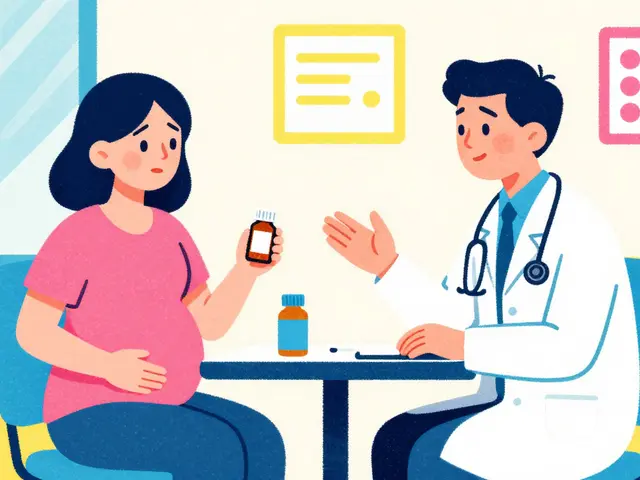
And here’s the truth: 41% of patients get conflicting advice from their primary care doctor and their endocrinologist. That’s not your fault. It’s a system problem. So write down your plan. Keep it in your phone. Show it to every doctor. Ask: “What should I do if I get sick?”
Your Action Plan
Don’t wait until you’re sick to learn this. Do it now:
- Review your current meds. Know which ones to stop and which to keep.
- Build your sick-day kit. Keep it in your medicine cabinet.
- Set up glucose and ketone alarms on your phone.
- Write down your emergency plan: who to call, when to go to the ER.
- Share your plan with one family member or friend.
- Ask your doctor: “Do I need to adjust insulin if I get sick?” Get it in writing.
Sick days don’t have to mean hospital visits. With the right knowledge and preparation, you can stay safe, even when you’re unwell. The rules are clear. The risks are real. But you’re not powerless.
Should I stop metformin if I have a cold?
Yes-if you have a fever, vomiting, diarrhea, or can’t keep fluids down. Even a mild cold can lead to dehydration. Metformin builds up in your system when your kidneys aren’t working well. That raises your risk of lactic acidosis. Better safe than sorry. Stop it and call your doctor.
Can I take SGLT2 inhibitors during illness?
No. SGLT2 inhibitors increase the risk of euglycemic DKA during illness-even if your blood sugar isn’t very high. The FDA advises stopping them immediately at the first sign of vomiting, fever, or reduced fluid intake. Don’t wait 24 hours. Don’t try to tough it out. Stop them now and contact your provider.
Do I still need insulin if I’m not eating?
Yes. Your body still makes glucose from stored fat and muscle during illness. Without insulin, your body breaks down fat too fast, creating dangerous ketones. You may need less insulin, but never stop it. Check your blood sugar every 2-4 hours and adjust based on readings. If you’re unsure, call your endocrinologist.
How do I know if I’m developing AKI?
Signs of acute kidney injury include: very little or no urine output, swollen ankles or feet, extreme fatigue, nausea, confusion, or shortness of breath. If you’re on ACE inhibitors or ARBs and have been vomiting or not drinking enough fluids, these symptoms are a red flag. Go to the ER immediately. AKI can develop quickly and cause permanent damage if not treated fast.
What if my doctor says to keep taking metformin, but the ADA says to stop?
Your doctor knows your health history best. But if you’re unsure, follow the safest path: stop metformin during illness. Lactic acidosis is rare but deadly. The ADA guidelines are based on large studies and are widely accepted. If your doctor disagrees, ask them to explain why and get it in writing. Keep a copy of your plan for emergencies.
Are there apps that help with sick day rules?
Yes. Apps like Glooko’s Illness Advisor (in beta as of 2024) use your glucose data to give personalized advice during illness. They can tell you when to increase insulin, when to check ketones, and whether to pause medications. While not a replacement for medical advice, they’re a helpful tool if you’re overwhelmed. Always confirm with your provider before acting on app suggestions.
Next step: Build your sick-day kit today. Don’t wait until you’re sick. Your future self will thank you.
Milad Jawabra
March 4, 2026 AT 13:12Also, SGLT2 inhibitors? Delete them from your brain during illness. Euglycemic DKA doesn’t wait for permission.
Build the kit. Now. Not tomorrow. Your future self will high-five you.
Chris Beckman
March 6, 2026 AT 05:24Levi Viloria
March 7, 2026 AT 11:43Worst part? The nurse said, ‘We see this every flu season.’
So yeah. Stop the SGLT2. Right now. Don’t wait. Don’t overthink it. Your body doesn’t care about your ‘I’ll just wait a bit’ mentality.
Zacharia Reda
March 8, 2026 AT 10:52And you’re calling this ‘sick day rules’?
Bro. This is a full-time job.
Meanwhile, my non-diabetic friends are sipping tea and watching Netflix. I’m out here with a logbook and a blood ketone meter like some kind of diabetic survivalist.
But hey - at least I’m alive. So… thanks?
Matt Alexander
March 8, 2026 AT 23:18Gretchen Rivas
March 10, 2026 AT 04:08Also - ketone strips expire. Check the date. I learned this the hard way.
Stephen Vassilev
March 10, 2026 AT 11:00Also, the FDA safety alert was based on 1,200 adverse events - but how many of those were misreported? And why is there no mention of the 2021 Canadian Pharmacists Association meta-analysis? You’re not just misinforming - you’re endangering lives.
Mike Dubes
March 12, 2026 AT 05:32Now I have a printed checklist taped to my bathroom mirror. I check it every time I sneeze.
Also - yes, you still need insulin if you’re not eating. I thought I didn’t. I was wrong. Don’t be me.
Helen Brown
March 13, 2026 AT 15:44John Cyrus
March 15, 2026 AT 09:46John Smith
March 16, 2026 AT 04:42Now? I keep a bottle of water in one hand and my insulin pen in the other. I don’t care what the ADA says. I care that I’m alive.
Also - if you’re not building a sick kit, you’re not serious about living. Period. End of story. No debate.