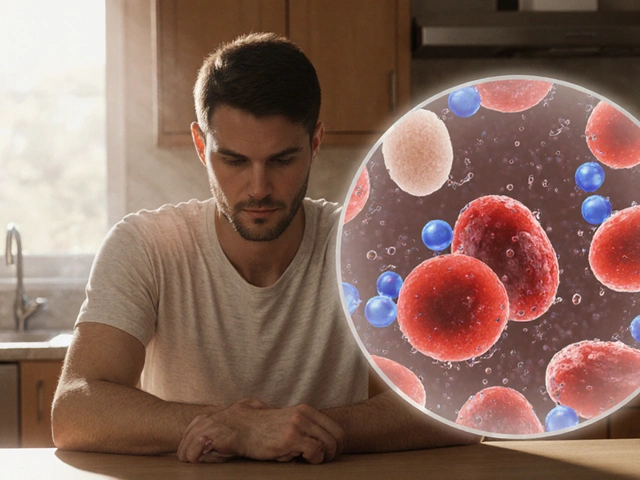
Itching that doesn't stop. Itching that feels like it's coming from inside your bones rather than just your skin. If you have a cholestatic liver condition, you know this feeling well. This isn't the itch you get from mosquito bites or dry skin. Antihistamines won't touch it. For decades, doctors prescribed treatments that barely worked, leaving patients exhausted and desperate for relief.
But the landscape is changing. We are moving away from blunt instruments toward targeted therapies. While bile acid resins like cholestyramine remain the starting point, new drugs are finally addressing the root causes of cholestatic pruritus. These conditions include primary biliary cholangitis (PBC), primary sclerosing cholangitis (PSC), and intrahepatic cholestasis of pregnancy (ICP).
Why Standard Itch Treatments Fail
The first thing to understand is that cholestatic pruritus is not histamine-mediated. This is why over-the-counter antihistamines, which work great for hives, do nothing for liver-related itching. In fact, they can make things worse by causing drowsiness without providing relief.
So, what is actually causing the itch? Research points to a complex mix of factors. One major player is lysophosphatidic acid (LPA). When bile flow is impaired, an enzyme called autotaxin increases, leading to higher levels of LPA. This substance directly stimulates nerve endings in the skin, sending intense itch signals to the brain. Other contributors include endogenous opioids, serotonin, and progesterone derivatives.
Because the mechanism is neurological and chemical rather than allergic, treatment requires medications that interrupt these specific pathways. This shift in understanding has driven the development of newer, more effective options beyond traditional resins.
Bile Acid Resins: The First Line of Defense
Despite their age, cholestyramine (often known by the brand name Questran) remains the standard first-line therapy recommended by guidelines from the American Association for the Study of Liver Diseases (AASLD). It is a basic anion exchange resin that works locally in the gut.
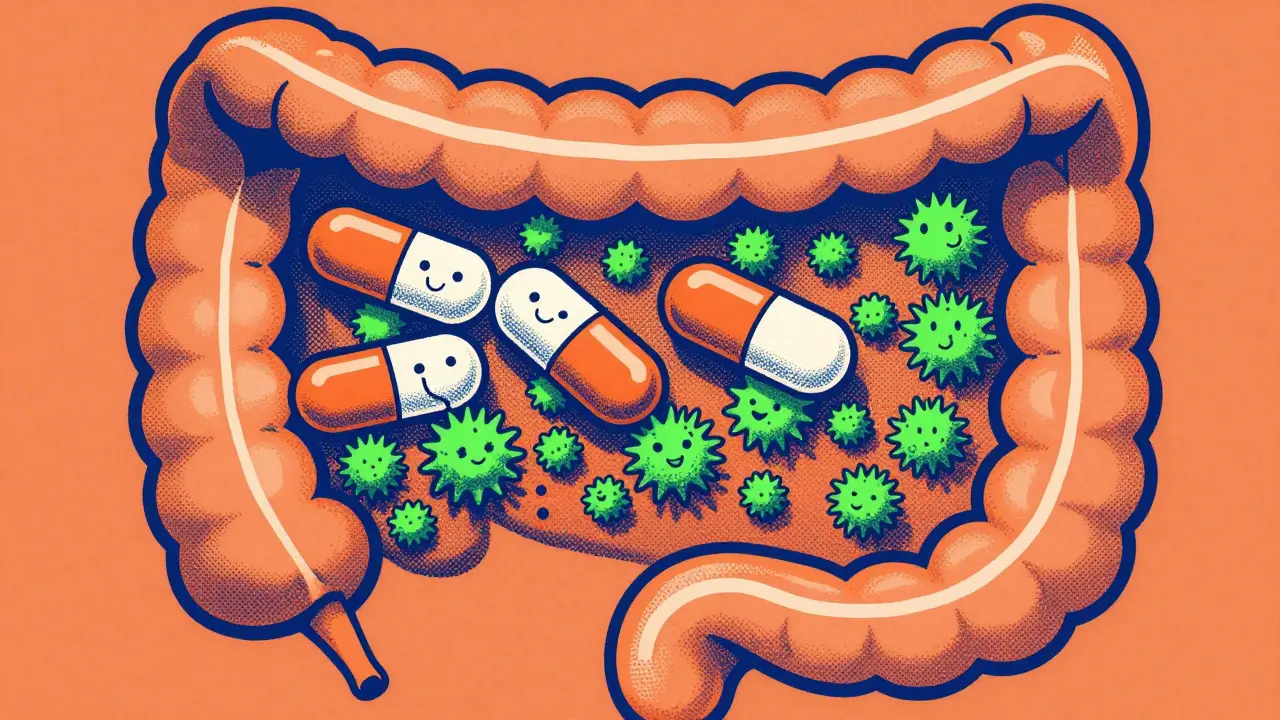
Here is how it functions: Cholestyramine binds to bile acids in the intestinal lumen. Normally, these bile acids would be reabsorbed into the bloodstream. By binding them, the drug prevents reabsorption and promotes their excretion in feces. Lower circulating bile acid levels can reduce the itch sensation for many patients.
- Dosing: Start with 4 grams once or twice daily. Titrate up to 16-24 grams daily in divided doses if needed.
- Timing is Critical: You must take cholestyramine 1 hour before or 4-6 hours after other medications. It binds to everything in the gut, potentially rendering other vital drugs ineffective.
- Efficacy: About 50-70% of responsive patients see symptom reduction.
The problem? Compliance. A 2020 survey found that 78% of patients report poor taste. The powder has a gritty texture that many find unpalatable. Consequently, 25-35% of patients discontinue use due to gastrointestinal side effects like bloating and constipation. If you try this, mix it thoroughly with strongly flavored juices or yogurt to mask the taste.
Second-Line Therapies: Rifampin and Naltrexone
If cholestyramine fails or isn't tolerated after four weeks, clinicians typically move to second-line agents. Two main options dominate this stage: rifampin and naltrexone.
Rifampin (Rifadin) is originally an antibiotic but acts as a hepatic enzyme inducer in this context. It helps clear pruritogens from the blood. Studies show efficacy in about 70% of PBC patients within four weeks. The dose usually ranges from 150 to 300 mg daily. However, it carries risks. It can cause hepatotoxicity (elevated liver enzymes) in 15-20% of patients and induces cytochrome P450 enzymes, interacting with over 50 common medications. Also, expect orange-colored urine-a harmless but startling side effect.
Naltrexone (Revia) is an opioid receptor antagonist. Since endogenous opioids contribute to cholestatic itch, blocking these receptors can provide relief. Response rates are around 50-60%. The challenge is initiation. Starting at a low dose (6.25 mg) and titrating up slowly to 50 mg is crucial. Many patients experience nausea, anxiety, or withdrawal-like symptoms during the first few days if the dose is raised too quickly.
New Options: Targeted Mechanisms
The most exciting developments in treating cholestatic pruritus involve drugs that target specific biological pathways identified in recent years. These are no longer off-label experiments but approved or late-stage clinical candidates.
Maralixibat (Mytesi) was approved by the FDA in September 2021 specifically for pruritus associated with Alagille syndrome. It inhibits the ileal bile acid transporter (IBAT), preventing bile acid reabsorption similar to resins but with greater precision and oral convenience. In Phase 3 trials, it reduced itch scores by 47% on visual analog scales, compared to 42% for cholestyramine, but with significantly better tolerability (12% discontinuation vs. 35%). Dosing is weight-based, typically 1.25-6.25 mg daily.
Another emerging class targets the autotaxin-LPA pathway. Autotaxin inhibitors, such as IONIS-AT332-LRx, showed a 58% improvement in pruritus in Phase 2 trials by reducing serum autotaxin levels by 65%. This represents a direct attack on one of the primary drivers of the itch sensation.
| Medication | Mechanism | Efficacy Rate | Key Side Effects | Discontinuation Rate |
|---|---|---|---|---|
| Cholestyramine | Binds bile acids in gut | 50-70% | Gritty taste, GI upset | 25-35% |
| Rifampin | Enzyme induction | ~70% | Hepatotoxicity, drug interactions | 10-15% |
| Naltrexone | Opioid receptor blockade | 50-60% | Nausea, initial anxiety | Variable (titration dependent) |
| Maralixibat | IBAT inhibition | 47% (VAS reduction) | Diarrhea, abdominal pain | 12% |
Clinical Implementation: A Stepwise Approach
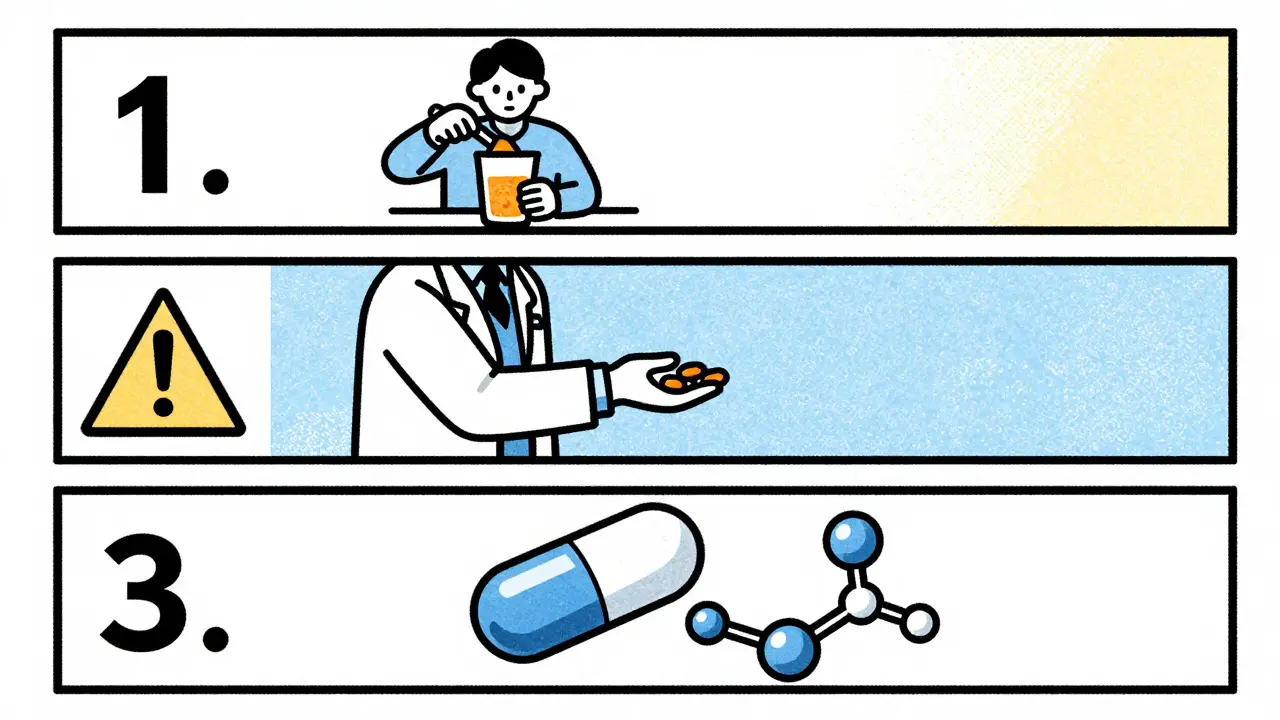
Managing cholestatic pruritus requires patience and a structured protocol. Jumping straight to expensive or complex drugs often leads to unnecessary side effects. Here is the standard stepwise approach endorsed by major liver associations:
- Step 1: Lifestyle + Resins. Use emollients, cool showers, and loose cotton clothing. Start cholestyramine 4g daily, titrating up to 16g over two weeks. Wait four weeks to assess response.
- Step 2: Enzyme Induction or Opioid Blockade. If Step 1 fails, add rifampin (start 150mg, increase to 300mg) OR start naltrexone (start 6.25mg, weekly increments to 50mg). Monitor liver enzymes closely with rifampin.
- Step 3: Novel Agents or Combination Therapy. Consider sertraline (75-100mg/day) if depression co-exists, especially in PBC. Evaluate eligibility for maralixibat if applicable (e.g., Alagille syndrome) or clinical trials for autotaxin inhibitors.
- Step 4: Transplantation. For refractory cases where quality of life is severely compromised, liver transplantation remains the definitive cure, resolving pruritus in 95% of post-transplant patients.
One critical note: Do not underestimate the impact of simple measures. Cool environments and moisturizers help soothe the skin barrier, even if they don't stop the neurological signal. They are adjuncts, not cures, but they matter.
Cost and Access Considerations
While new drugs offer hope, they come with significant financial barriers. Maralixibat costs approximately $12,500 per month, whereas generic cholestyramine costs around $65 monthly. This disparity creates access issues, particularly in healthcare systems without comprehensive coverage for rare liver diseases.
Patients should discuss insurance pre-authorizations early in the process. Some health plans require documentation of failure on multiple older therapies before approving novel agents. Keep detailed records of your symptom scores, medication trials, and side effects to support these requests.
Do antihistamines work for cholestatic pruritus?
No. Cholestatic pruritus is not caused by histamine release. Antihistamines are largely ineffective and may cause sedation without relieving the itch. Guidelines recommend against using them as primary treatment.
How long does it take for cholestyramine to work?
You should assess response after four weeks of consistent use. Start with a low dose (4g) and gradually increase to minimize gastrointestinal side effects. If there is no improvement after four weeks at an adequate dose, switch to second-line therapy.
What is maralixibat used for?
Maralixibat is an IBAT inhibitor approved for pruritus associated with Alagille syndrome. It blocks bile acid reabsorption in the intestine. While primarily indicated for Alagille, its mechanism makes it relevant for other cholestatic conditions in clinical research settings.
Can rifampin damage the liver?
Yes. Rifampin can cause hepatotoxicity, leading to elevated liver enzymes in 15-20% of patients. Regular monitoring of liver function tests is essential when taking this medication. It also interacts with many other drugs, so review all your medications with your doctor.
Is liver transplantation a cure for cholestatic itching?
Yes. For patients with severe, refractory cholestatic pruritus who qualify for transplant, liver transplantation resolves the itching in approximately 95% of cases. It is considered the definitive treatment for end-stage disease with uncontrollable symptoms.