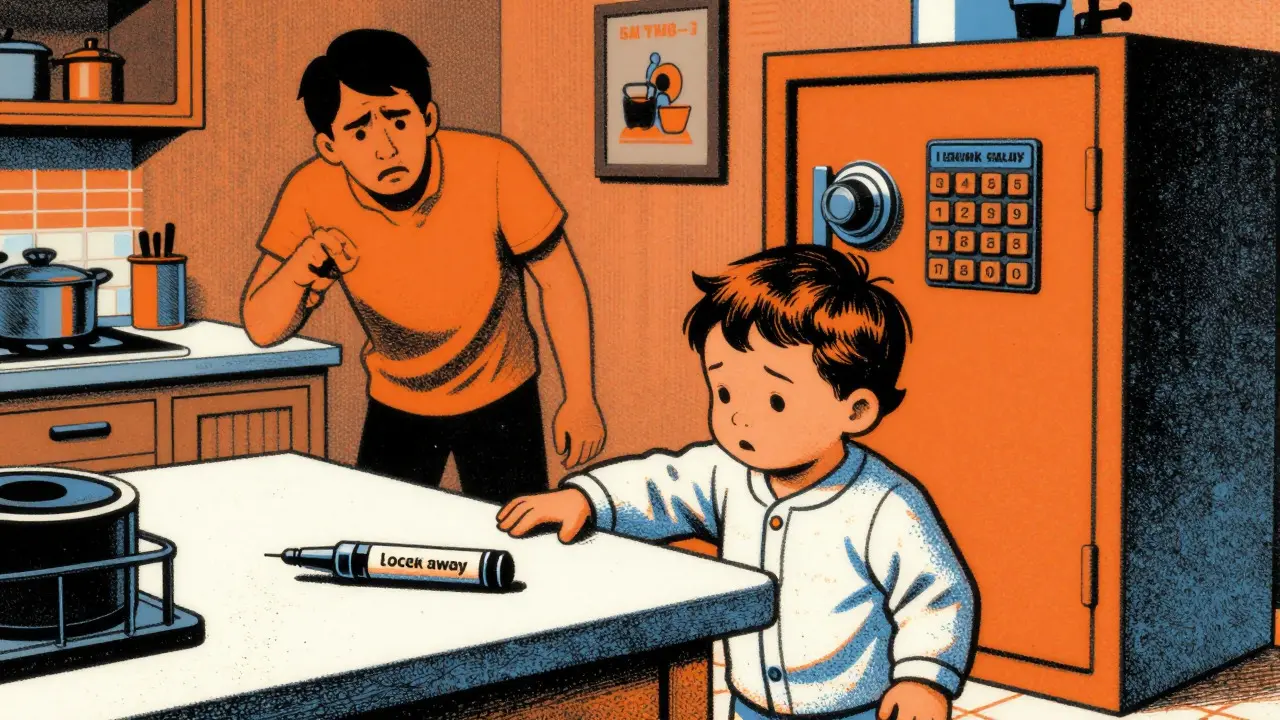
Imagine this: your child starts wheezing after eating a peanut, or a neighbor collapses from a heart attack. You know the right medication is in the house. But where is it? Is it locked in a safe that takes two minutes to open? Or is it sitting on the kitchen counter, within reach of a curious toddler who might mistake an insulin pen for a toy?
This tension between speed and safety is the defining challenge of emergency medication storage, which requires balancing immediate accessibility during medical crises with stringent security measures to prevent misuse or accidental exposure. According to the Drug Enforcement Administration (DEA), there were over 5,000 incidents of controlled substance theft or significant loss reported in 2022 alone. Yet, emergency responders also report delays in accessing life-saving drugs due to overly complex security protocols. The goal isn't just to lock things away; it's to create a system that protects the medication while ensuring it’s available when seconds count.
The Core Principle: Risk Assessment Over One-Size-Fits-All
There is no single rule for storing every type of emergency drug. The best approach depends entirely on who needs the medication and where they are. Dr. Jane Smith, Chief Medical Officer at Johns Hopkins Hospital, noted in a 2023 commentary that optimal storage achieves a "delicate balance between preventing diversion and ensuring immediate availability." This means you have to look at your specific environment.
For example, if you are managing medications in a hospital intensive care unit, licensed personnel are always present. In these high-stakes environments, keeping code drugs visible on patient bedsides can be safer than locking them away, provided a professional is watching. However, in a home setting, the risk profile changes completely. The Centers for Disease Control and Prevention (CDC) PROTECT Initiative emphasizes that parents must store medications safely while maintaining emergency access. Their key message is simple: never leave medicine out on a counter, and put medicines away every time. But "away" doesn't mean "inaccessible." It means secured against unauthorized users-like children or teens-while remaining findable by adults.
Home Storage Solutions: Balancing Child Safety and Speed
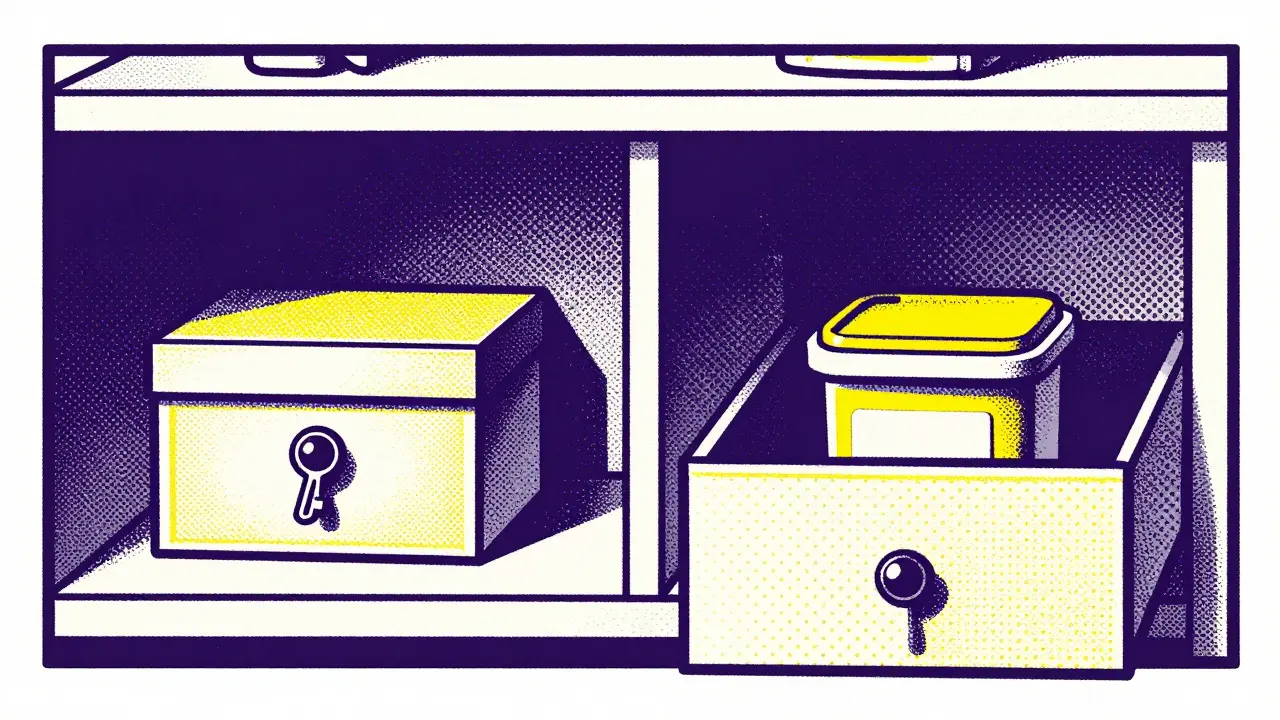
In the home, the primary threat is usually accidental ingestion by children. The Environmental Protection Agency (EPA) recommends storing household medicines in locked cabinets, closets, or safes. While commercial medicine safes are available, any robust locking compartment works. The trick is choosing a location that is intuitive for adults but obscure for kids.
- Avoid obvious spots: Don’t keep emergency meds in the bathroom medicine cabinet if young children play there. Instead, consider a high shelf in a bedroom closet or a dedicated drawer in a dresser that requires a key or combination.
- Use tamper-evident containers: If you don’t have a full safe, use a container with a child-resistant cap and place it inside a locked box. This adds a layer of security without hiding the medication completely.
- Keep instructions nearby: Security is useless if you panic and forget how to use the device. Store a printed copy of the usage instructions next to the medication, not inside the locked box if possible, so you can grab both simultaneously.
For medications like epinephrine auto-injectors (such as EpiPen), which treat severe allergic reactions, speed is critical. The American Heart Association recommends storing these at room temperature. Some caregivers keep one injector in a locked safe for long-term storage and a second one in a quick-access bag or belt clip for outings. This redundancy ensures that even if the primary supply is secured, a backup is immediately available during an excursion.
Temperature Control: Protecting Potency
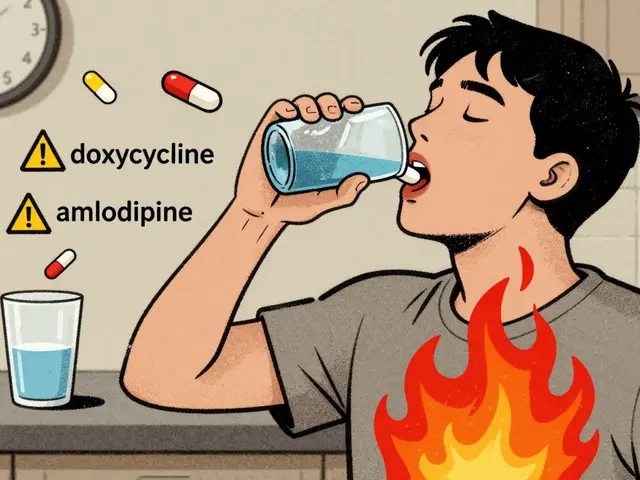
Security isn't just about locks; it's about preserving the chemical integrity of the drug. Many people overlook this, but improper storage can render an emergency medication useless. According to guidelines updated in May 2024 by the Nevada EMS Controlled Substance Registered and Designated Locations (NVERS), refrigerated storage must maintain temperatures between 2°C and 8°C (36°F-46°F). Controlled room temperature should be between 20°C and 25°C (68°F-77°F), with allowable excursions up to 30°C (86°F).
Excessive heat, defined as any temperature above 40°C (104°F), can degrade many pharmaceuticals. If you live in a hot climate, avoid storing medications in cars or attics. For insulin or certain biologic agents, a small refrigerator thermometer is essential. The FDA-approved TempTraq system, used by some EMS agencies, demonstrates how technology can help monitor these conditions, offering 99.2% accuracy in field tests. At home, a simple digital thermometer placed near your medication storage area can alert you if the temperature drifts outside the safe range.
| Medication Type | Temperature Requirement | Security Level | Accessibility Note |
|---|---|---|---|
| Epinephrine Auto-Injectors | Room Temperature (20°C-25°C) | Moderate (Child-proof) | Must be instantly accessible during anaphylaxis |
| Insulin | Refrigerated (2°C-8°C) or Room Temp (short term) | High (Locked Cabinet) | Monitor expiration dates closely |
| Naloxone (Narcan) | Room Temperature (up to 30°C) | Low-Moderate (Visible but secure) | Keep in plain sight for rapid overdose response |
| Controlled Substances (Opioids) | Varies by drug | Very High (Substantially Constructed Cabinet) | DEA requires separate storage from other meds |
Special Considerations for Controlled Substances
If your emergency kit includes controlled substances, such as opioids for pain management, the rules tighten significantly. The DEA requires these to be stored in "substantially constructed" cabinets with locked doors. Schedule II substances, which have a high potential for abuse, must be stored separately from other medications. This isn't just bureaucracy; it's a legal requirement designed to prevent diversion.
In healthcare settings, the Joint Commission standard MM.03.01.03 mandates that medications be stored securely to prevent tampering or theft while maintaining immediate availability. For homes, this translates to using a heavy-duty lockbox or a wall-mounted safe that meets fire and water resistance standards. Remember, if you lose track of a controlled substance, you may be required to report it to authorities, making proper documentation and inventory checks part of your security protocol.
Workplace and Care Facility Protocols
The stakes change again in childcare facilities or workplaces. In daycare centers, emergency medications like antihistamines or epinephrine included in severe allergy care plans do not need to be in locked areas if staff are trained and present. However, they must be stored out of children's reach. Routine medications, on the other hand, must be kept in locked areas inaccessible to children. This distinction highlights the importance of training. The CDC notes that safe storage education must remind caregivers to store medications safely while maintaining emergency access.
In EMS vehicles, the challenge is mobility. Medications must be stored in lockable cabinets that remain secured when not in use, with keys or access codes restricted to supervising practitioners. A 2022 National EMS Survey found that 17.3% of providers reported at least one incident where medication access was delayed due to security protocols. To mitigate this, many agencies use break-glass alarms or electronic keypads that log access times, providing accountability without sacrificing speed.
Disposal: When Security Ends
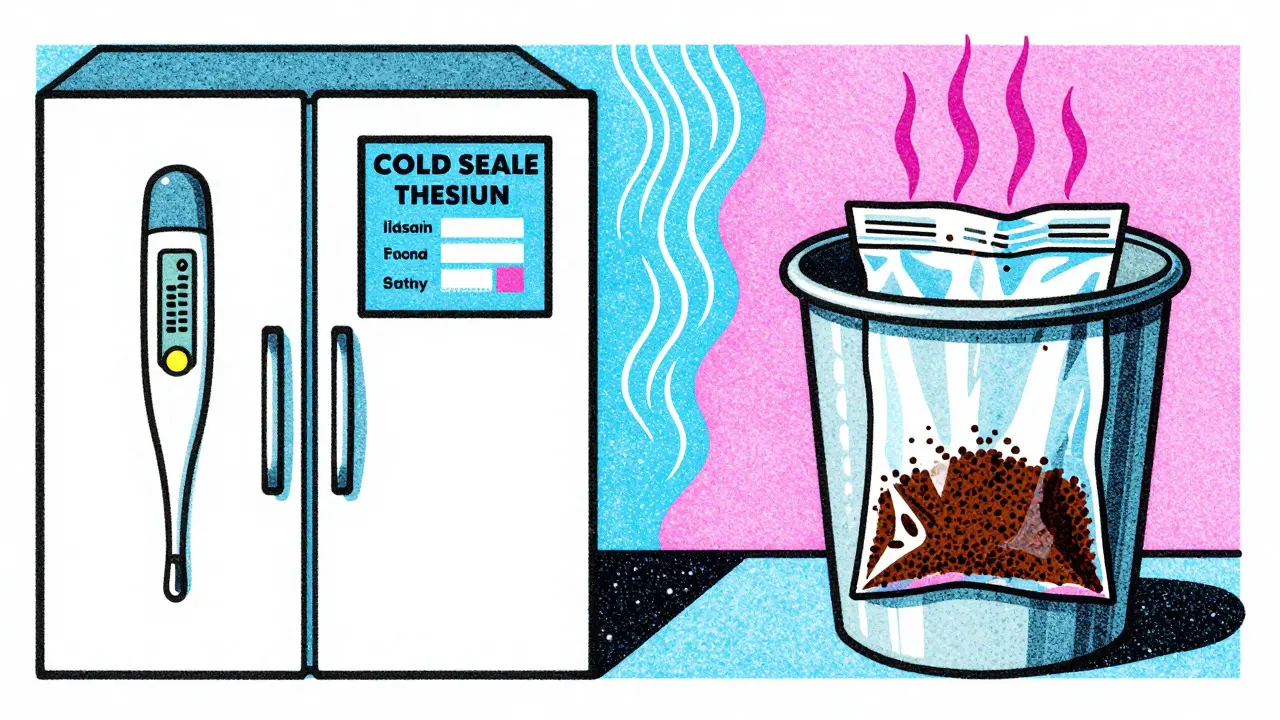
Storage is only half the battle. Expired or unused emergency medications pose a risk if left lying around. The EPA recommends taking unused medicines to designated collection sites, such as pharmacies or law enforcement drop boxes. If no take-back program is available, most non-controlled medications can be disposed of in the trash by mixing them with an unpalatable substance like coffee grounds or cat litter, sealing them in a plastic bag, and removing personal information from the label. Controlled substances often have specific disposal instructions on the packaging, such as flushing certain opioids to prevent accidental ingestion, though this should be done sparingly and according to FDA guidance.
Creating Your Personal Action Plan
To implement these strategies, start with a simple audit. List all emergency medications in your home. Check their expiration dates. Verify their storage conditions against the manufacturer's label. Then, decide on a security method for each based on the user profile (child vs. adult) and the urgency of use (seconds vs. minutes).
- Identify high-risk items: Which medications could cause harm if misused? Lock these away.
- Identify time-critical items: Which medications save lives in minutes? Keep these accessible but child-proofed.
- Train everyone: Ensure all adults in the household know where the medications are and how to use them. Conduct a drill once a year.
- Review regularly: Set a calendar reminder to check expiration dates and storage conditions every six months.
By treating emergency medication storage as a dynamic system rather than a static task, you protect your family from both medical emergencies and accidental poisonings. The right balance keeps the peace of mind that comes with preparedness, without the anxiety of being locked out when help is needed most.
Where is the safest place to store an EpiPen at home?
The safest place balances child safety with speed. Avoid the bathroom if children play there. Instead, store it in a high, locked cabinet or a dedicated medicine safe that is easy for adults to open quickly. Keep a backup injector in a travel pouch for outings. Always store at room temperature, away from direct sunlight and heat sources.
Do I need a special safe for controlled substances?
Yes. The DEA requires controlled substances, especially Schedule II drugs, to be stored in substantially constructed cabinets with locked doors. These should be separate from other medications. A wall-mounted fireproof safe or a heavy-duty lockbox bolted to a structure is recommended to prevent theft and diversion.
How do I know if my medication has been damaged by heat?
Check the medication for changes in color, clarity, or texture. Insulin may become cloudy or form crystals. Epinephrine solutions should be clear and colorless; if they are pink or dark yellow, discard them. Use a thermometer to ensure your storage area stays below 86°F (30°C) for room-temperature drugs and between 36°F-46°F (2°C-8°C) for refrigerated ones.
Can I keep emergency medications in my car?
Generally, no. Cars can exceed 104°F (40°C) in summer, which degrades many drugs. If you must keep a medication like an EpiPen in the car for immediate access, use a insulated cooler bag with a temperature monitor and replace the medication frequently. Never store insulin or biologics in a glove compartment.
How should I dispose of expired emergency medications?
Take them to a designated drug take-back location, such as a pharmacy or police station. If unavailable, mix non-controlled medications with an unpalatable substance like coffee grounds, seal them in a plastic bag, and throw them in the trash. Remove personal info from labels. Follow specific FDA flush lists for certain high-risk opioids if instructed.