RA Medication Interaction & Cost Checker
Managing rheumatoid arthritis (RA) isn't just about picking a drug that stops the pain. It's about navigating a complex web of immune suppression where combining the wrong medications can either amplify benefits or spike side effects. For many patients, the transition from conventional pills to injectable biologics feels like a leap into the unknown. Understanding how DMARD (disease-modifying antirheumatic drugs) and biologic agents interact is the key to staying in remission without getting sick.
You might wonder why your doctor insists on keeping you on methotrexate even after starting a biologic. Or why some people stop their oral meds entirely while others double up. The answer lies in how these drugs talk to your immune system. Some block specific signals, while others dampen the whole noise. When they work together, they often create a synergy that neither could achieve alone. But if the timing or dosage is off, you risk infections or liver stress. Let's break down exactly what happens inside your body when these powerful therapies meet.
How Conventional and Biologic DMARDs Work Together
To understand the interaction, you first need to see the difference in mechanism. Conventional synthetic DMARDs (csDMARDs), like methotrexate, hydroxychloroquine, and sulfasalazine, act as broad suppressors. Methotrexate, for instance, inhibits folate metabolism, which slows down the rapid cell division of inflammatory cells. It’s blunt force trauma to inflammation. Biologics, on the other hand, are precision tools. They target specific proteins like TNF-alpha or IL-6. Etanercept binds to TNF, stopping it from triggering joint damage. Tocilizumab blocks IL-6 receptors. Because they hit different targets, combining them doesn’t usually cause direct chemical clashes. Instead, they create a layered defense.
The most common pairing is methotrexate plus a biologic. Why? Research shows that methotrexate reduces the formation of anti-drug antibodies (ADAs). If your body creates antibodies against a biologic like adalimumab, the drug stops working faster. Methotrexate keeps your immune system too busy to build those antibodies effectively. A 2015 study in the Journal of Managed Care Pharmacy found that adding methotrexate to biologic therapy increased the chance of achieving a significant response (ACR50) from 30-40% to 50-60%. That’s not a small jump. It means more people actually get relief. However, this combination requires careful monitoring because both drugs can affect your liver and blood counts.
The Role of JAK Inhibitors in the Mix
A newer class called targeted synthetic DMARDs, specifically JAK inhibitors, has changed the game. Drugs like tofacitinib, baricitinib, and upadacitinib are small molecules you take by mouth, unlike the injected biologics. They block intracellular signaling pathways. Think of them as intercepting the message before it reaches the nucleus of the cell. Because they are oral, patients often prefer them for convenience. But here is the catch: you generally do not combine JAK inhibitors with biologics. The risk of serious infection and blood clots increases significantly when you stack two potent immunosuppressants of different classes. The FDA issued a black box warning for JAK inhibitors in 2021, highlighting risks of major adverse cardiovascular events and malignancy. So, if you are on a JAK inhibitor, you are likely off your biologic, or vice versa. This switch is a strategic move, not a random change.
| Drug Class | Examples | Administration | Key Interaction Note |
|---|---|---|---|
| Conventional csDMARDs | Methotrexate, Sulfasalazine | Oral | Synergistic with biologics; monitor liver function |
| TNF Inhibitors | Adalimumab, Etanercept | Injection/Infusion | Often combined with Methotrexate to reduce antibody formation |
| JAK Inhibitors | Tofacitinib, Upadacitinib | Oral | Generally avoid combining with other biologics due to infection risk |
| Biosimilars | Amjevita (adalimumab biosimilar) | Injection | Same interaction profile as reference product; lower cost |

Navigating Side Effects and Safety Checks
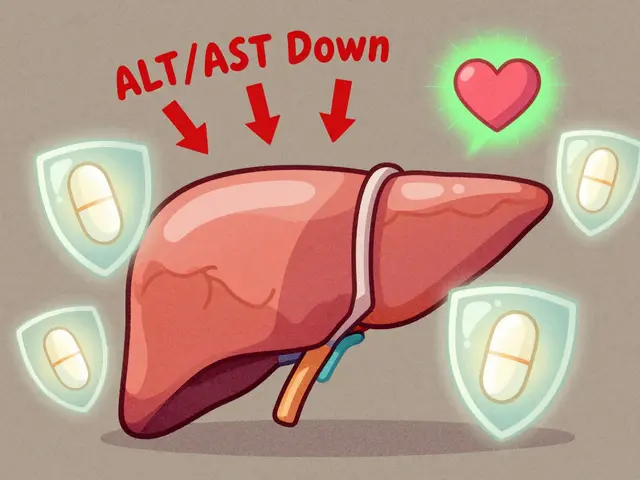
When you mix medications, the side effect profile changes. Methotrexate is known for nausea and fatigue. Biologics can cause injection site reactions or raise the risk of respiratory infections. When used together, the risk of serious infection remains a primary concern. The American College of Rheumatology recommends screening for tuberculosis and hepatitis B before starting any biologic or JAK inhibitor. Why? Because suppressing the immune system allows dormant viruses to wake up. If you have a history of frequent sinus infections, tell your rheumatologist. It might influence whether they choose a broader suppressor like methotrexate or a more targeted biologic. Also, keep an eye on your blood pressure. Some studies suggest that certain combinations can slightly elevate cardiovascular risk, especially in older adults. Regular blood tests every three months help catch liver enzyme spikes early. Don’t skip these appointments. They are your safety net.
Cost Considerations and Biosimilars
Money talks in chronic disease management. Traditional DMARDs like methotrexate cost between $20 and $50 per month. Biologics, however, can run $1,500 to $6,000 monthly. This price gap drives many treatment decisions. Enter biosimilars. These are copies of biologic drugs that are highly similar but not identical. The first adalimumab biosimilar, Amjevita, was approved in 2016. Since then, biosimilars have captured nearly 28% of the US biologic market. They offer 15-30% cost reductions. Does switching to a biosimilar change the interaction profile? Generally, no. The mechanism is the same. But always check with your insurer. Some plans require prior authorization even for biosimilars. Patient assistance programs can cover 30-50% of out-of-pocket costs for eligible patients. If cost is forcing you to miss doses, talk to your pharmacist. Non-adherence is a leading reason for treatment failure, not necessarily drug inefficacy.

Practical Tips for Managing Your Regimen
Here is how to make the daily routine smoother. First, master your injection technique. If you are self-administering a biologic, ask for a nurse educator session. Most patients need one or two training sessions to feel confident. Rotate injection sites to prevent skin irritation. Second, stay hydrated. Methotrexate is excreted through the kidneys, and dehydration can increase toxicity. Drink water consistently throughout the day. Third, watch for signs of infection. A fever over 100.4°F, persistent cough, or unusual bruising warrants a call to your doctor. Do not wait until you feel 'really bad.' Early intervention prevents hospitalization. Finally, keep a medication log. Record the date of each dose, any side effects, and how you felt the next day. This data helps your rheumatologist adjust dosages precisely. It turns guesswork into data-driven care.
Frequently Asked Questions
Can I take methotrexate with a biologic?
Yes, this is a very common and recommended combination. Methotrexate helps improve the effectiveness of biologics and reduces the chance of your body developing antibodies against the biologic. Just ensure your doctor monitors your liver function regularly.
Are JAK inhibitors better than biologics?
It depends on your specific health profile. JAK inhibitors are oral and convenient, which many patients prefer. However, they carry a higher risk of blood clots and heart issues compared to some biologics. Your doctor will weigh these risks based on your age and medical history.
What should I do if I miss a dose of my DMARD?
Take it as soon as you remember unless it is close to the time for your next dose. Do not double up on doses. For methotrexate, missing a weekly dose is less critical than missing multiple weeks, but consistency is key for long-term control.
Do biosimilars interact differently than brand-name biologics?
No, biosimilars are designed to be highly similar to the reference product. Their interaction profiles with other drugs are expected to be the same. Switching between a brand and its biosimilar is generally safe under medical supervision.
How often do I need blood tests while on these medications?
Typically, every three months during the first year of treatment. This includes checking complete blood counts, liver enzymes, and kidney function. After the first year, testing may become less frequent if results remain stable.