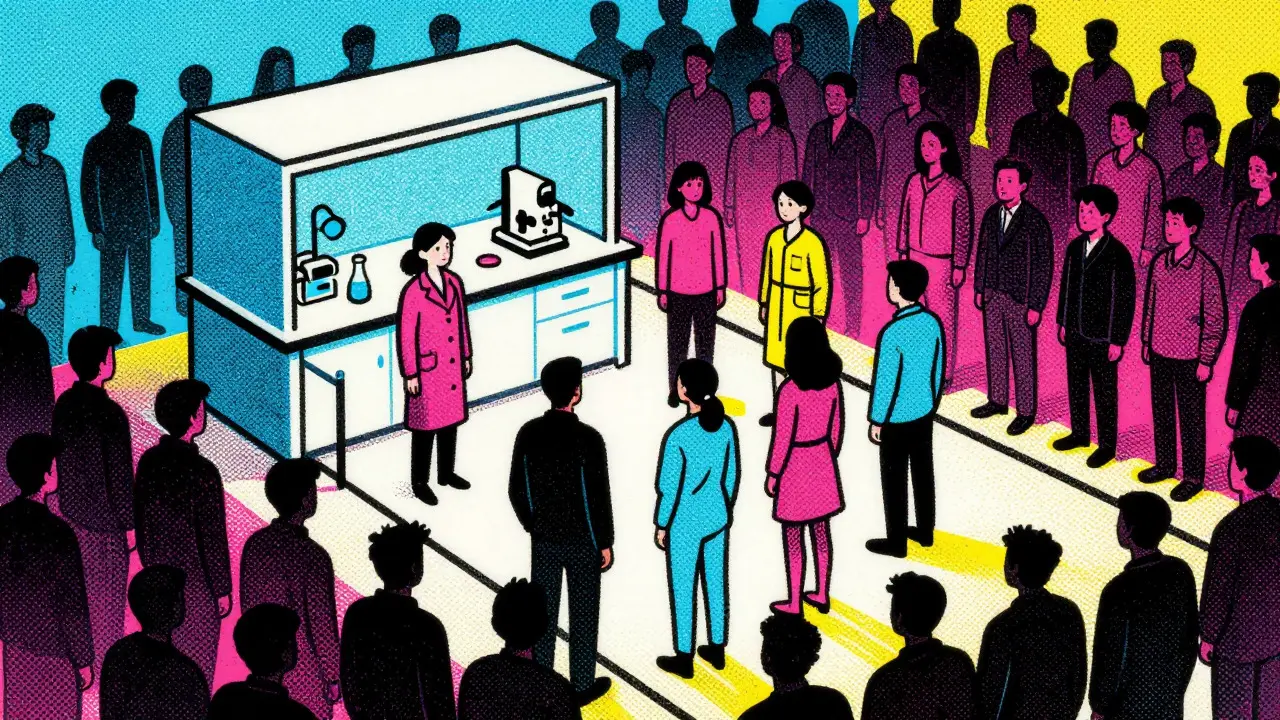
Imagine you are taking a new medication that passed every clinical trial with flying colors. The doctors say it is safe. The regulators say it is safe. You take it faithfully for months. Then, one day, you feel terrible-not because the drug doesn't work, but because it reacted badly with another pill you have been taking for years, or even with your morning grapefruit juice. This scenario is more common than most people realize.
These are drug interactions discovered after a medicine hits the market. They are not failures of science; they are limitations of how we test drugs before approval. Understanding what happens when these hidden risks surface is crucial for anyone managing their own health or caring for someone else.
Why Clinical Trials Miss Hidden Risks
To understand why dangerous interactions slip through the cracks, you need to look at how clinical trials work. Before a drug reaches your local pharmacy, it goes through Phases 1, 2, and 3 of testing. These trials are rigorous, but they are also incredibly narrow by design.
A typical pre-approval study involves between 1,000 and 5,000 participants. That sounds like a lot, but compared to the millions of people who will eventually use the drug, it is a tiny fraction. More importantly, these participants are carefully selected. Researchers often exclude elderly patients, children, pregnant women, and people with multiple chronic conditions or those taking many other medications (polypharmacy). They also run these trials for short periods-usually six to twelve months-to see if the drug works for its specific condition.
Here is the problem: many drug interactions only show up during long-term use or in complex bodies. A young, healthy person in a controlled trial might metabolize a drug perfectly fine. An older adult with liver issues, taking blood pressure medication and an antifungal cream, might experience a toxic buildup. According to data from the FDA, pre-market trials identify only about 50% to 60% of common adverse reactions. The remaining serious risks often hide until the drug is used in the "real world."
The Three Main Types of Post-Market Interactions
When safety signals emerge after approval, they generally fall into three categories. Knowing these helps you spot potential red flags in your own routine.
- Drug-Drug Interactions: This occurs when one medication changes how your body processes another. For example, some antibiotics can stop your liver from breaking down heart medications, causing levels of the heart drug to spike to dangerous heights.
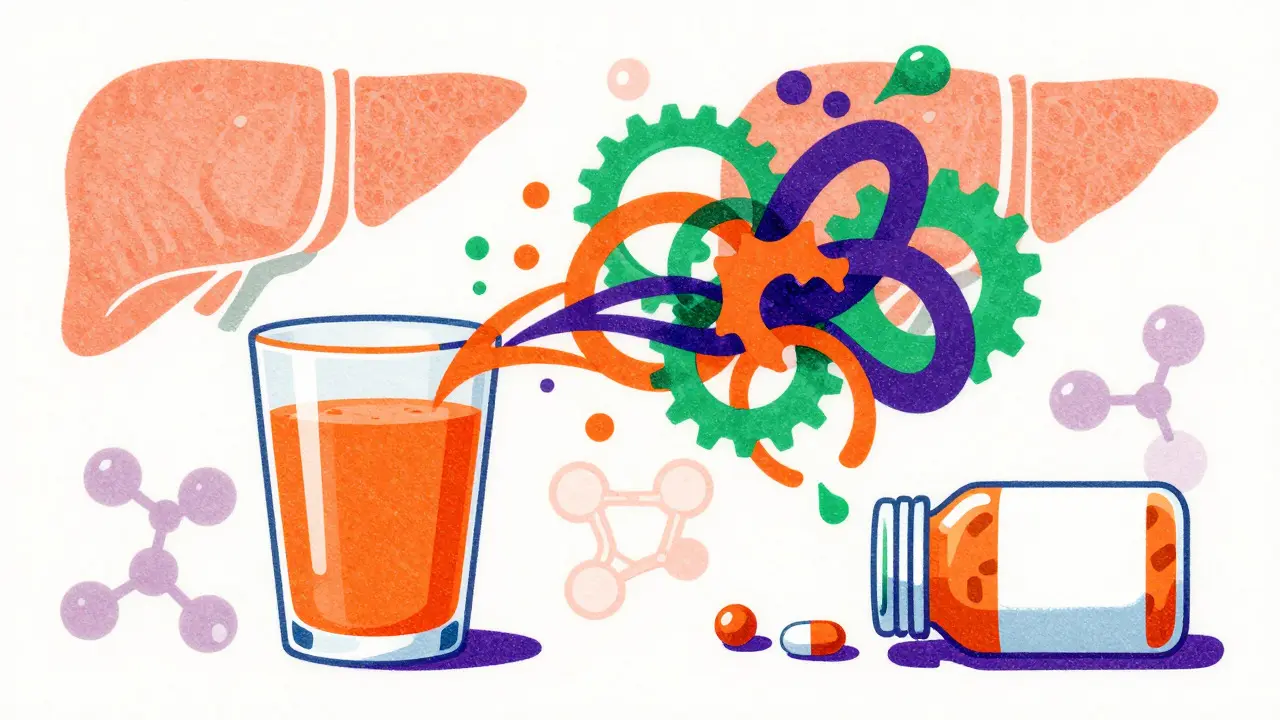
- Drug-Food Interactions: Certain foods act like mini-drugs in your system. The most famous example is grapefruit juice, which blocks enzymes needed to break down several statins and blood pressure meds.
- Drug-Condition Interactions: Sometimes a disease itself changes how a drug works. Kidney failure, for instance, slows down the elimination of many medicines, leading to toxicity even at normal doses.
Real-World Examples: When Signals Turn into Warnings
History provides stark examples of why post-market monitoring matters. Consider simvastatin (Zocor), a widely prescribed cholesterol-lowering drug. When combined with fluconazole (Diflucan), a common antifungal, the antifungal inhibits the CYP3A4 enzyme responsible for breaking down the statin. In clinical trials, this combination wasn't heavily tested. In the real world, it caused simvastatin levels to rise 3 to 10 times higher than intended, leading to rhabdomyolysis-a severe condition where muscle tissue breaks down and damages the kidneys.
Data from the FDA’s Adverse Event Reporting System (FAERS) shows thousands of reports linking statin-antifungal combinations to muscle damage. Similarly, the interaction between apixaban (Eliquis), a blood thinner, and St. John’s Wort, a popular herbal supplement, has led to life-threatening bleeding cases because the herb speeds up the breakdown of the blood thinner, rendering it ineffective.
Another tragic case involved benfluorex (Mediator), sold in France for decades. It was linked to valvular heart disease, but this risk wasn't detected until after five million patients had used it over thirty years. By the time it was withdrawn in 2009, thousands had suffered irreversible harm. These cases highlight that while rare interactions miss small trials, they can affect large populations over time.
| Feature | Pre-Market Clinical Trials | Post-Market Surveillance |
|---|---|---|
| Population Size | 1,000 - 5,000 participants | Millions of users |
| Duration | Short-term (months) | Long-term (years/decades) |
| Patient Diversity | Strictly screened, healthy-ish | All ages, comorbidities, polypharmacy |
| Detection Rate | 50-60% of common ADRs | 70-80% of serious/rare ADRs |
| Primary Goal | Efficacy and basic safety | Rare interactions and long-term risks |
How Regulators Catch These Signals
You might wonder how agencies like the FDA or the European Medicines Agency (EMA) know something is wrong. They rely on Pharmacovigilance, which is the science of detecting, assessing, understanding, and preventing adverse effects or any other drug-related problems.
The cornerstone of this effort is spontaneous reporting systems like FAERS in the US and EudraVigilance in Europe. Doctors, pharmacists, and patients submit reports when they suspect a drug caused harm. However, underreporting is a massive issue. Experts estimate that 90% to 95% of actual adverse events never make it into these databases. If you don’t report it, regulators might not see the pattern.
To bridge this gap, the FDA launched the Sentinel Initiative in 2008. Unlike passive reporting, Sentinel actively scans hundreds of millions of electronic health records across major healthcare networks. It uses advanced algorithms to look for statistical spikes in side effects. For instance, if suddenly more patients on Drug A + Drug B are ending up in the ER for kidney failure than expected, Sentinel flags it. Recently, AI-powered platforms have entered the scene, capable of processing thousands of adverse event reports daily with high accuracy, reducing signal detection time from months to weeks.
What Happens When a Risk Is Confirmed?
Once a post-market interaction is confirmed, regulators don't just shrug. They take action based on severity. Here is the hierarchy of responses:
- Safety Communications: The FDA sends letters to doctors and posts alerts online. This is common for moderate risks.
- Label Changes: The drug’s package insert gets updated. New warnings are added to the "Contraindications" or "Warnings and Precautions" sections.
- Black Box Warnings: This is the strongest warning allowed by the FDA. It appears in a black border on the label. About 20% of new drugs receive this post-marketing due to serious safety concerns.
- Market Withdrawal: In extreme cases, the drug is pulled entirely. Roughly 4% of approved drugs face this fate.
For example, terfenadine (Seldane), an old antihistamine, was withdrawn because it caused fatal heart arrhythmias when taken with certain other drugs. Today, safer alternatives exist, but the lesson remains: no drug is permanently "safe" without ongoing monitoring.
Practical Steps to Protect Yourself
Since you cannot control regulatory timelines, you must take charge of your own medication safety. Here is how to minimize the risk of falling victim to a post-market discovered interaction.
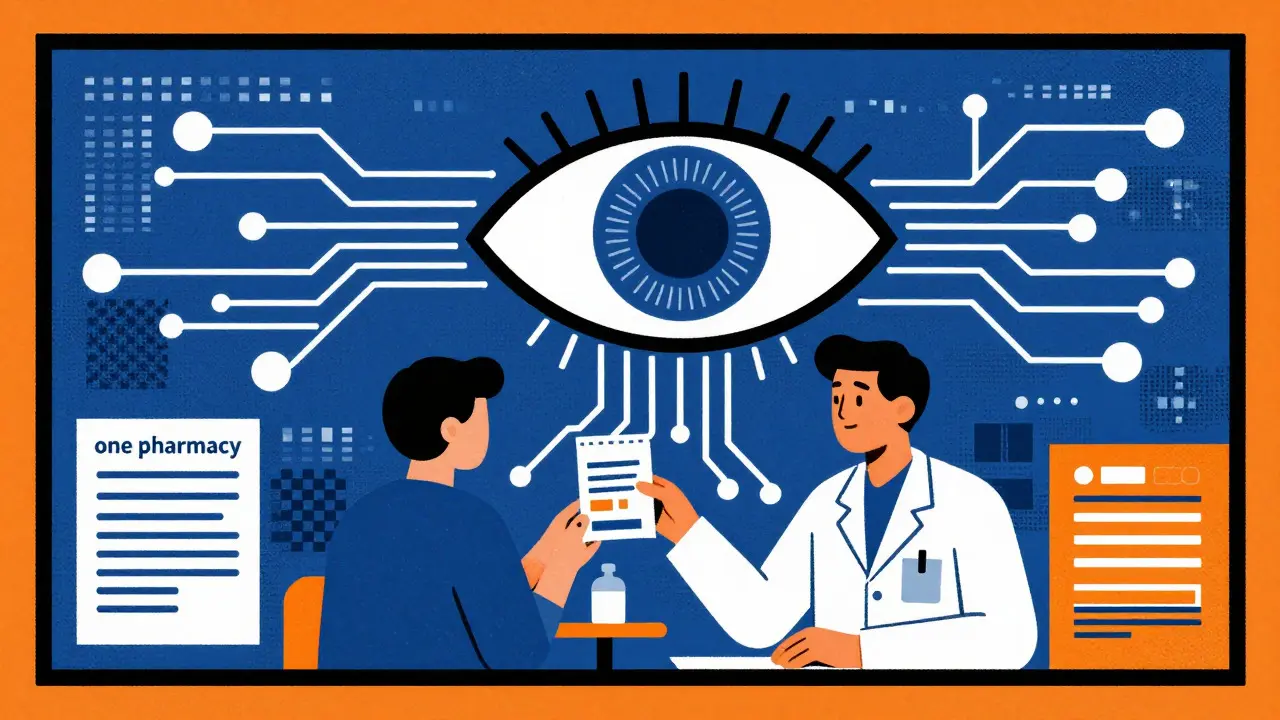
- Use One Pharmacy: Keep all your prescriptions at the same pharmacy. Their software automatically checks for interactions between new and existing meds. Splitting prescriptions between two pharmacies bypasses this safety net.
- Disclose Everything: Tell your doctor and pharmacist about all substances you take. This includes over-the-counter painkillers, vitamins, herbal supplements like St. John’s Wort, and even frequent food items like grapefruit.
- Ask Specific Questions: Don’t just ask, "Is this safe?" Ask, "Does this interact with my blood pressure med?" or "Can I drink alcohol with this?"
- Monitor for Changes: Be aware of new symptoms. Unexplained muscle pain, bruising, dizziness, or digestive issues could be signs of an interaction. Report them immediately.
- Check Reliable Sources: Use tools like the FDA’s Drug Interaction API data found on sites like GoodRx or WebMD, but always verify with a professional. These tools are great for quick checks but aren't substitutes for medical advice.
The Future of Drug Safety
The landscape of drug safety is evolving rapidly. We are moving toward personalized pharmacogenomics, where genetic testing predicts how your unique DNA will process medications. The NIH’s Pharmacogenomics Research Network is already analyzing thousands of cases to link genetics to interaction risks. Imagine a future where your prescription comes with a genetic compatibility score.
Additionally, blockchain technology is being explored to create immutable, transparent logs of adverse events, potentially solving the underreporting crisis. While these technologies promise faster detection, the human element remains vital. Your awareness and communication with healthcare providers are the final line of defense against hidden drug interactions.
Why aren't all drug interactions found before a drug is approved?
Clinical trials involve small groups of highly selected patients (1,000-5,000 people) and last only a few months. They exclude people with multiple diseases or those taking many other drugs. Rare interactions or those requiring years to develop simply don't have enough time or diverse subjects to appear in these controlled settings.
What is a Black Box Warning?
A Black Box Warning is the strictest alert the FDA can place on a prescription drug label. It indicates that the drug carries a significant risk of serious or life-threatening side effects, often including severe drug interactions. It requires healthcare providers to weigh the risks carefully against benefits.
How common are post-market drug withdrawals?
Approximately 4% of newly approved drugs are removed from the market post-approval due to safety concerns. While this seems low, it represents thousands of drugs over decades. Most safety issues are managed via label changes rather than full withdrawal.
Can food really cause dangerous drug interactions?
Yes. Grapefruit juice is the most notable example. It contains compounds that block CYP3A4 enzymes in your gut and liver. This can increase the concentration of certain statins, blood pressure meds, and immunosuppressants in your blood by up to 15-fold, leading to toxicity.
What should I do if I suspect a drug interaction?
Stop taking the suspected interacting substance (after consulting your doctor) and seek medical attention if symptoms are severe. Report the event to your pharmacist and consider filing a report with the FDA MedWatch program. Early reporting helps protect others from similar risks.


Dennis Leeftink
August 10, 2026 AT 01:31most people here dont get it. trials are small because money is tight not because science is bad. you take too many pills that is your fault. simple.
Marc H
August 11, 2026 AT 22:15Oh, brilliant insight Dennis. Truly the medical community has been hiding this from us all along. It's not the system, it's just that we're all clumsy pill-poppers who can't read labels. 🙄
Mathew Stuckey
August 12, 2026 AT 03:28Hey guys let's keep it chill 😊 Dennis makes a point about polypharmacy but Marc is right to call out the tone. We are all in this together trying to stay healthy. I found using one pharmacy really helps catch those mix-ups before they happen. It’s a small step but it feels good to be proactive! 🌟
John Divers
August 12, 2026 AT 04:00The philosophical implication of relying on spontaneous reporting is quite profound. If ninety percent of adverse events go unreported, we are essentially navigating health based on anecdotal shadows rather than empirical light. The Sentinel Initiative represents a shift toward a more holistic understanding of patient safety, yet it remains reactive rather than predictive. We must consider whether our current ethical frameworks for clinical trials adequately account for the complexity of real-world biological systems. The exclusion of comorbid patients creates a sterile data set that fails to mirror the messy reality of human physiology. This disconnect necessitates a reevaluation of how we define 'safety' in a regulatory context. Perhaps true safety is not the absence of risk, but the transparency of known variables.
Ambria St louis
August 13, 2026 AT 20:05I couldn’t agree more with John!; the gap between trial conditions and real life is staggering.; especially when you consider how many of us are managing multiple chronic conditions simultaneously.; it seems almost negligent to exclude such a large portion of the population from initial testing phases.; we need better inclusive models.; don't you think?;
Alli Crumley
August 15, 2026 AT 04:09:( The epistemological crisis within pharmacovigilance is palpable. We rely on FAERS which is fundamentally flawed due to underreporting bias. The CYP3A4 inhibition by grapefruit juice is a classic example of food-drug interaction dynamics that are often dismissed as trivial by laypeople. Yet, the metabolic pathways involved are complex and highly individualized. The use of AI in signal detection is promising but lacks the nuanced interpretive framework required for true causal inference. We are drowning in data but starving for wisdom. The paradigm shift towards pharmacogenomics is inevitable but currently insufficient to address the immediate risks posed by polypharmacy in an aging demographic. One must remain skeptical of algorithmic solutions to biological problems. :)
Chris McQuaid
August 16, 2026 AT 06:07Look, Alli is overcomplicating it. The truth is the FDA is slow and pharma companies push drugs through fast to make money. The black box warnings are just legal shields. I've seen enough cases where doctors didn't check interactions because they were rushed. It's a systemic failure masked as scientific limitation. People need to stop trusting the label and start checking independent databases like GoodRx themselves. Don't let them sell you poison wrapped in a white coat.
sam howard
August 17, 2026 AT 20:30chris you sound paranoid man. yeah there are issues but its not a conspiracy. just do what the article says use one pharmacy and talk to your doc. stop making it dramatic. its just biology. enzymes break down drugs or they dont. simple as that. no need for the doom and gloom.
Samuel Hershberger
August 19, 2026 AT 20:22Sam is right to cut through the noise. As someone who works in healthcare, I see the stress this causes patients. The key takeaway here is communication. Please, just tell your pharmacist everything you take. Even that herbal tea or vitamin D supplement. They have software that flags these things instantly. It’s not about blaming the system; it’s about empowering yourself. Use the tools available. Check reliable sources. Ask specific questions like 'Does this interact with my blood pressure med?' It saves lives. Let’s keep the conversation constructive and helpful for everyone reading this. 💪
Diane Nash
August 20, 2026 AT 22:22The integration of blockchain technology into adverse event reporting presents a fascinating avenue for enhancing data integrity and transparency. By creating immutable logs, we could potentially mitigate the significant issue of underreporting that plagues current systems like FAERS. Furthermore, the advancement of pharmacogenomics offers a glimpse into a future where medication prescriptions are tailored to individual genetic profiles, thereby minimizing the risk of adverse drug reactions. This personalized approach aligns with the broader trend towards precision medicine. However, the implementation of such technologies requires robust regulatory frameworks to ensure patient privacy and data security. The role of healthcare providers remains paramount in interpreting these complex data sets and communicating risks effectively to patients. We must strive for a balance between technological innovation and human-centric care.
Traci Bobbitt
August 21, 2026 AT 16:03Okay Diane, that was very formal. But seriously, who has time to read all that? Just stick to the basics. Grapefruit juice kills statins. St. John's Wort ruins blood thinners. That's the big stuff. Most people aren't going to get genetic testing anytime soon. It's expensive and confusing. Just don't mix your meds with random supplements and you'll probably be fine. Keep it simple folks.
Sansaray Jones
August 22, 2026 AT 09:09i guess so. just watch out for weird symptoms. if you feel off check it out. easy peasy.