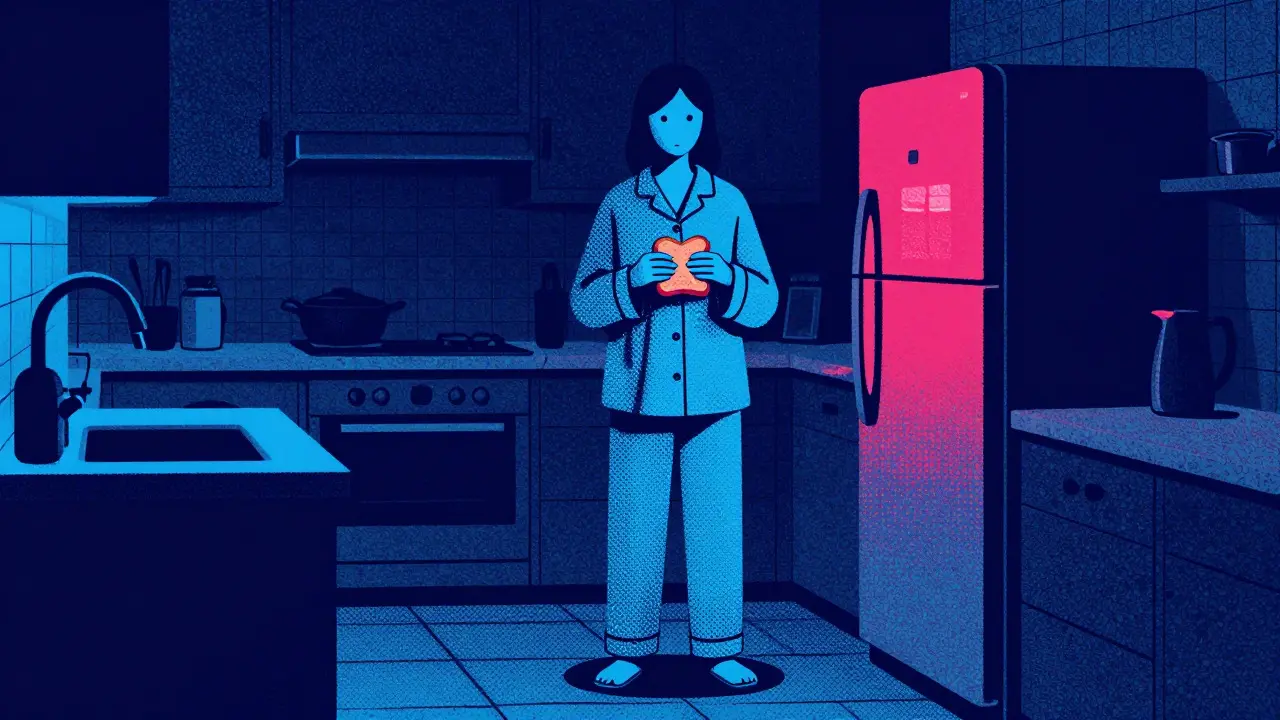
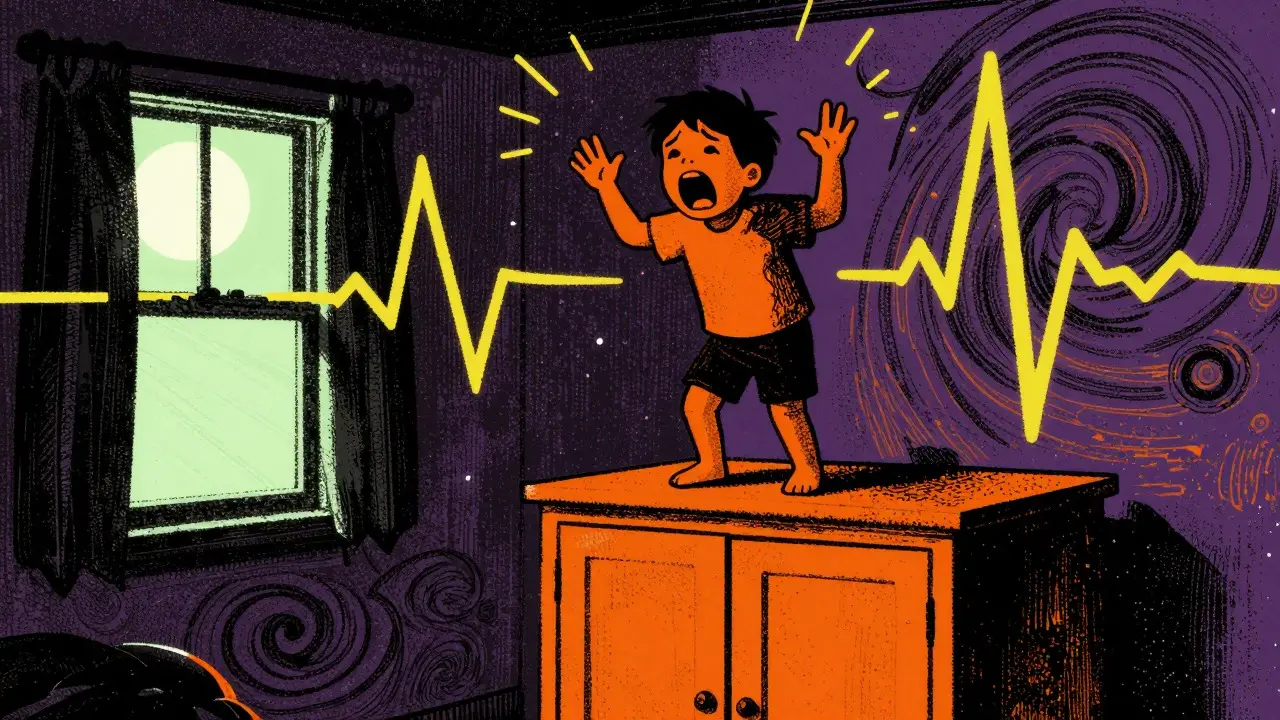
Imagine waking up in the kitchen at 3 a.m., making a sandwich, or finding your child standing on top of their wardrobe screaming in terror. If this sounds like a scene from a horror movie, it might actually be your reality. These are not just bad dreams; they are parasomnias, specifically disorders of arousal from non-rapid eye movement (NREM) sleep. While often dismissed as harmless quirks, conditions like sleepwalking and night terrors can lead to serious injuries, chronic fatigue, and significant family stress. Understanding what triggers these episodes and how to manage them safely is crucial for restoring peaceful nights.
Parasomnias are abnormal behaviors that occur during sleep transitions or specific sleep stages. According to the International Classification of Sleep Disorders (ICSD-3), published in 2014, sleepwalking (somnambulism) and night terrors fall under 'disorders of arousal.' They are distinct from nightmares, which happen during REM sleep. The key difference? With parasomnias, you likely won't remember a thing. In fact, 95% of people have complete amnesia regarding their episodes. This lack of memory makes diagnosis tricky, but understanding the physiology helps us tackle the problem head-on.
Understanding the Physiology: Why Does This Happen?
To manage parasomnias, we first need to understand where they originate in the brain. Both sleepwalking and night terrors occur during slow-wave sleep, also known as deep NREM sleep (stages 3 and 4). This is the restorative part of your sleep cycle, typically occurring in the first third of the night.
During a normal night, your brain smoothly transitions between sleep stages. In parasomnia cases, the brain gets stuck. It partially wakes up while the body remains asleep, or vice versa. For night terrors, this partial arousal triggers an intense fight-or-flight response. Your heart rate can spike to 120-140 beats per minute, and you may sweat profusely. Episodes usually last between 30 seconds and 5 minutes. Sleepwalking involves more complex motor behaviors, lasting 5 to 15 minutes. You might sit up, walk around, or even perform tasks like cooking. The American Academy of Sleep Medicine notes that 80% of sleepwalking episodes happen within the first few hours of sleep when slow-wave pressure is highest.
It is vital to distinguish these from nightmares. Nightmares occur later in the night during REM sleep, involve vivid dream recall, and wake you up fully. Parasomnias happen early, involve no memory, and are difficult to interrupt. Recognizing this timing difference is the first step in effective management.
Safety First: Securing the Environment
Before trying any medical interventions, you must make your home safe. Since individuals with parasomnias are not fully conscious, they do not perceive danger. A study by the Cleveland Clinic found that 92% of sleep specialists recommend environmental modifications as the first line of defense. Here is how to secure your space:
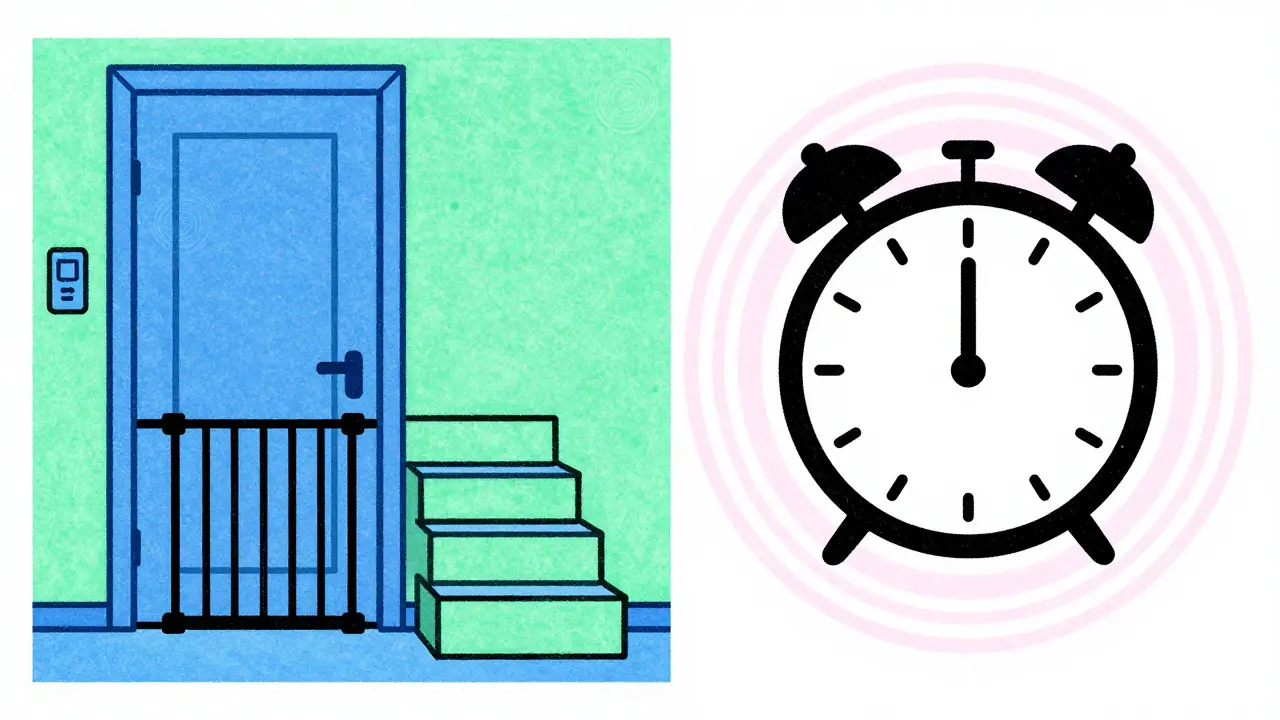
- Install Door Alarms: Place battery-operated alarms on bedroom doors and exterior exits. The loud noise can sometimes stop the episode or alert others to intervene safely.
- Secure Windows: Use window locks or stops to prevent falls, especially if the bed is near a window or on an upper floor.
- Clear Pathways: Remove sharp objects, clutter, and tripping hazards from the immediate vicinity of the bed. Consider placing a mattress on the floor to reduce injury risk from falls by up to 75%.
- Childproofing: If dealing with children, ensure staircases are gated and dangerous appliances are inaccessible.
These steps are non-negotiable. They provide peace of mind and prevent the most common injuries associated with parasomnias, such as cuts, bruises, and fractures.
Behavioral Interventions: Scheduled Awakenings and Hygiene
If safety measures are in place but episodes continue, behavioral therapies offer highly effective solutions without medication. The gold standard for managing frequent episodes is scheduled awakenings.
This technique relies on the predictability of parasomnias. Most episodes occur at the same time each night because they are tied to the structure of your sleep cycles. To implement scheduled awakenings:
- Track Patterns: Keep a sleep diary for two weeks. Note the exact time episodes start.
- Set an Alarm: Set an alarm for 15 to 30 minutes before the typical onset time.
- Gentle Wake-Up: Gently wake the person enough for them to open their eyes and acknowledge you. They don't need to be fully alert, just briefly aroused.
- Consistency: Do this every night for 7 to 14 consecutive nights.
Clinical data from the Children's Hospital of Philadelphia shows success rates of 70-80% when this method is applied correctly. It works by disrupting the sleep cycle slightly, preventing the brain from falling into the deep slow-wave state that triggers the episode.
Another powerful tool is sleep extension therapy. Dr. Carlos Schenck, a leading researcher, advocates for adding 30-60 minutes to your total sleep time. Sleep deprivation increases slow-wave sleep pressure, making parasomnias more likely. By ensuring you get age-appropriate sleep (8-10 hours for adults, more for children), you reduce this pressure. Maintaining a consistent sleep-wake schedule within a 30-minute window also stabilizes circadian rhythms, reducing episode frequency by 40-50%.
When to Seek Professional Help
While many childhood cases resolve spontaneously by adolescence, adult-onset parasomnias require professional evaluation. Only 5-10% of cases need medication, but identifying underlying causes is critical. You should see a sleep specialist if:
- Episodes occur more than twice a week.
- There is a risk of injury to self or others.
- The behavior starts in adulthood (this can indicate neurological issues).
- You experience confusion lasting longer than 15 minutes after the event.
A diagnostic polysomnography (sleep study) with video monitoring is often required. This test records brain waves (EEG), muscle activity (EMG), and heart rhythm (ECG) to confirm the diagnosis and rule out other conditions like epilepsy or obstructive sleep apnea. Up to 40% of adult parasomnias are linked to untreated sleep apnea, so treating the apnea can resolve the parasomnia.
Medication and Emerging Treatments
For severe cases resistant to behavioral changes, doctors may prescribe medication. Benzodiazepines like clonazepam are commonly used, showing 60-70% effectiveness for night terrors. However, they carry risks of dependency and tolerance, so they are usually reserved for short-term use or severe cases. Melatonin has shown moderate effectiveness (40-50%) with a better safety profile, making it a popular alternative for some patients.
Innovation is changing the landscape. The FDA-approved Nightware System uses an Apple Watch to monitor heart rate variability. It detects the autonomic arousal preceding a night terror and delivers gentle vibrations to nudge the brain back to stable sleep, reducing episode frequency by 35%. Additionally, new orexin receptor antagonists like daridorexant are showing promise in clinical trials, offering targeted treatment with fewer side effects than traditional sedatives.
| Feature | Sleepwalking (Somnambulism) | Night Terrors |
|---|---|---|
| Primary Behavior | Complex motor activities (walking, cooking) | Screaming, intense fear, autonomic arousal |
| Duration | 5-15 minutes | 30 seconds - 5 minutes |
| Memory | Complete amnesia (95%) | Complete amnesia (95%) |
| Timing | First third of the night | First third of the night |
| Best Behavioral Treatment | Scheduled awakenings | Sleep hygiene & relaxation techniques |
Frequently Asked Questions
Should I try to wake someone having a night terror?
Generally, no. Trying to restrain or forcefully wake someone during a night terror can cause confusion, agitation, or even violent resistance. Instead, focus on guiding them safely back to bed using a calm voice. They will likely return to sleep on their own within a few minutes.
Do children grow out of sleepwalking and night terrors?
Yes, in most cases. Approximately 80% of sleepwalking and 90% of night terror cases resolve spontaneously by adolescence. The brain matures and learns to transition between sleep stages more smoothly. However, if episodes persist beyond age 10 or involve dangerous behaviors, consult a pediatrician.
Can stress trigger parasomnias?
Absolutely. Stress, anxiety, and irregular sleep schedules increase slow-wave sleep pressure, which can trigger episodes. Implementing pre-sleep relaxation techniques, such as deep breathing or meditation, can help reduce frequency. Consistent bedtime routines are also essential for stabilizing sleep architecture.
Is sleepwalking genetic?
There is a strong genetic component. Studies have identified variants in the DEC2 gene linked to familial sleepwalking. If one parent had sleepwalking as a child, there is a higher likelihood their child will experience it. However, environmental factors like sleep deprivation play a significant role in triggering episodes.
What is the difference between a nightmare and a night terror?
Nightmares occur during REM sleep (later in the night), involve vivid dream recall, and wake you up fully. Night terrors happen during deep NREM sleep (early in the night), involve no memory, and feature intense physical arousal like sweating and rapid heartbeat. You cannot easily wake someone from a night terror, whereas nightmares naturally wake the sleeper.