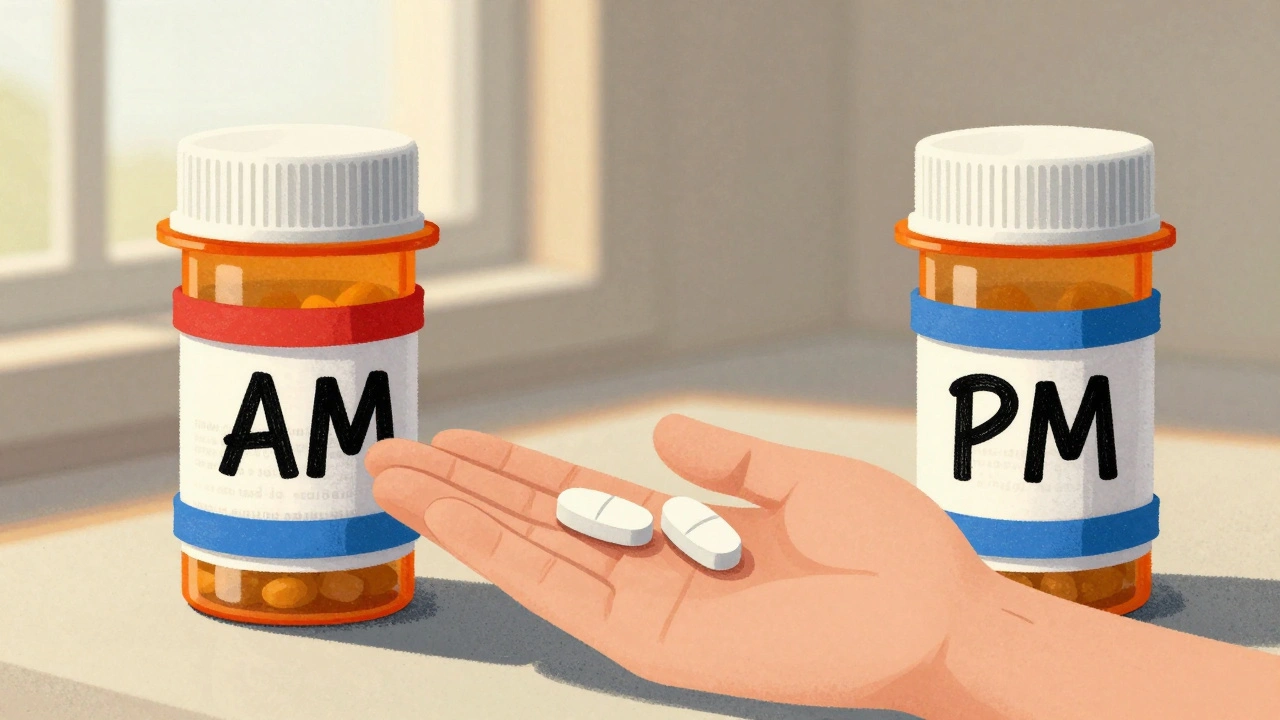
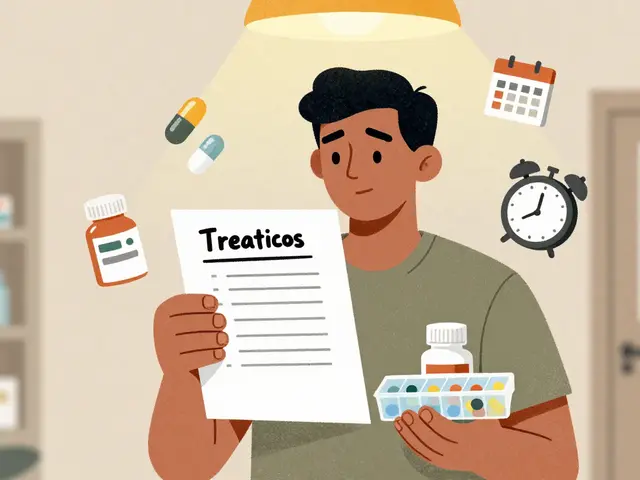
Imagine picking up your morning pill bottle. It’s white. So is the one for your nighttime sleep aid. Both are small, oval, and have no markings you can see. You can’t read the label. The pharmacist didn’t explain the difference. You take one. It’s the wrong one. This isn’t a rare mistake. It’s a daily reality for millions of people with low vision or hearing loss.
Why Medication Safety Is a Crisis, Not a Convenience
About 7.6 million Americans have significant vision loss, and over 48 million live with hearing loss. Many take multiple medications daily. Yet, most prescription bottles are designed for people with full sight and hearing. Fonts are too small. Labels are too busy. Colors blend together. Verbal instructions get lost in noisy pharmacies. This isn’t about being inconvenienced-it’s about life or death. A 2018 study in the Journal of the American Geriatrics Society found that people with low vision are 1.67 times more likely to make a dangerous medication error than those without vision loss. Nearly 65% of visually impaired people in a 2007 American Foundation for the Blind survey said they worried about taking the wrong pill. That fear hasn’t gone away. In fact, recent data shows 59% of people with low vision have accidentally taken expired medicine, and 67% can’t read refill instructions on their own. For those with hearing loss, the problem is different but just as dangerous. Pharmacists often give instructions out loud. If you can’t hear them clearly, you miss critical details: Take with food, Don’t drink alcohol, Check for dizziness. Many medication reminder devices beep or chirp. If you can’t hear them, you forget doses-or take them twice.What Makes Medications Hard to Use?
The challenges aren’t just about vision or hearing-they’re about design. Here’s what actually goes wrong:- Label text is too small: Most prescription labels use 7-10 point font. People with low vision need at least 18-point font, high contrast (black on white), and no glare.
- Colors don’t help: Many pills look identical. A white oval could be blood pressure, antidepressant, or sleeping pill. Without clear markings, you can’t tell them apart.
- Liquids and drops are risky: Measuring liquid medicine with a spoon or syringe is nearly impossible if you can’t see the lines. Eye and ear drops are even harder-no clear way to know if you’ve used the right one.
- Braille is rare: Only 15% of adults who lose vision later in life read braille. So even when it’s on the label, it doesn’t help most people.
- Verbal instructions get missed: Pharmacies are loud. Background noise, rushed service, and lack of visual aids mean people with hearing loss often leave without understanding how to take their meds.
What Works: Real Solutions That Reduce Errors
There are tools and methods that actually work. But they’re not used consistently-because pharmacies don’t have to do them.Low-Tech Fixes That Save Lives
These cost almost nothing and take seconds to apply:- Color-coding by time of day: Red rubber band for morning pills, blue for night. One study showed 78% effectiveness. Simple, cheap, and easy to learn.
- Label with a marker: Write “AM” or “PM” in thick black marker on the bottle. Takes 30 seconds. Makes a huge difference.
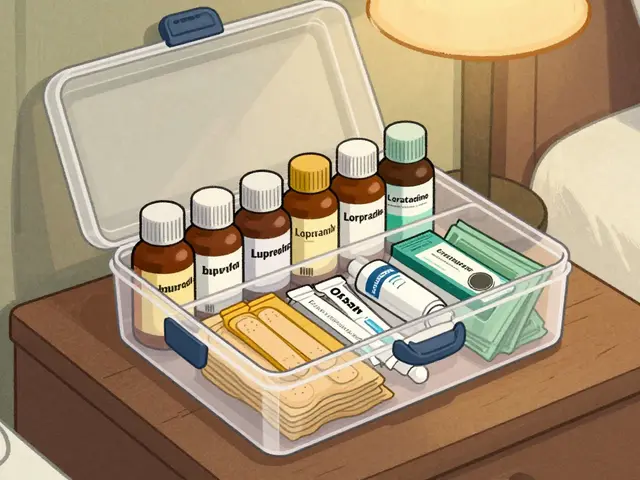
- Use a pill organizer: Buy one with large, clear labels and separate compartments for morning, afternoon, evening, and night. Choose one with high contrast (black on white).
- Keep meds in original containers: Don’t dump pills into unlabeled jars. The original bottle has the only reliable info you can’t see.
Electronic Tools That Help
For those ready to invest:- Talking pill dispensers: Devices like the Talking Rx or Hero Health speak the name, dose, and time out loud. One study showed 92% improvement in adherence. Cost: $30-$200.
- Smart pill boxes: Some connect to your phone. They flash lights, send text alerts, and even call a family member if you miss a dose.
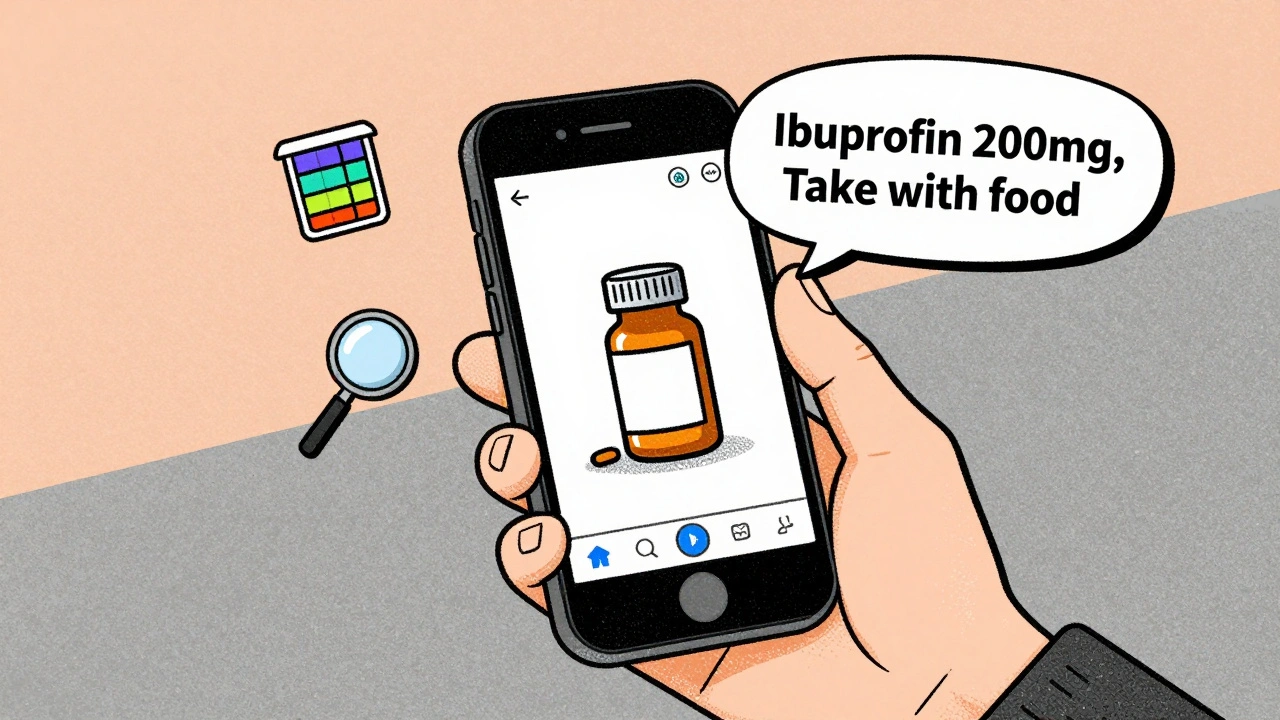
- Screen reader-friendly apps: Apps like Be My Eyes or Seeing AI can scan a pill bottle and tell you what it is using your phone’s camera. Works best with clear, high-contrast labels.
What Doesn’t Work-and Why
Not every solution is equal. Some are unreliable or impractical:- Rubber bands alone: They help, but only if you remember what each color means. If you forget, you’re back to guessing.
- Braille-only labels: As mentioned, most people with vision loss don’t read braille. It’s useless without large print or audio backup.
- Generic pill bottles: Pharmacies often switch to generic pills that look different from your usual brand. If you don’t know how to check, you can’t tell the difference.
- Reliance on family: Having someone else sort your pills is helpful-but not sustainable. What if they’re sick? On vacation? Or you don’t want to burden them?
What Pharmacies Should Be Doing (But Usually Aren’t)
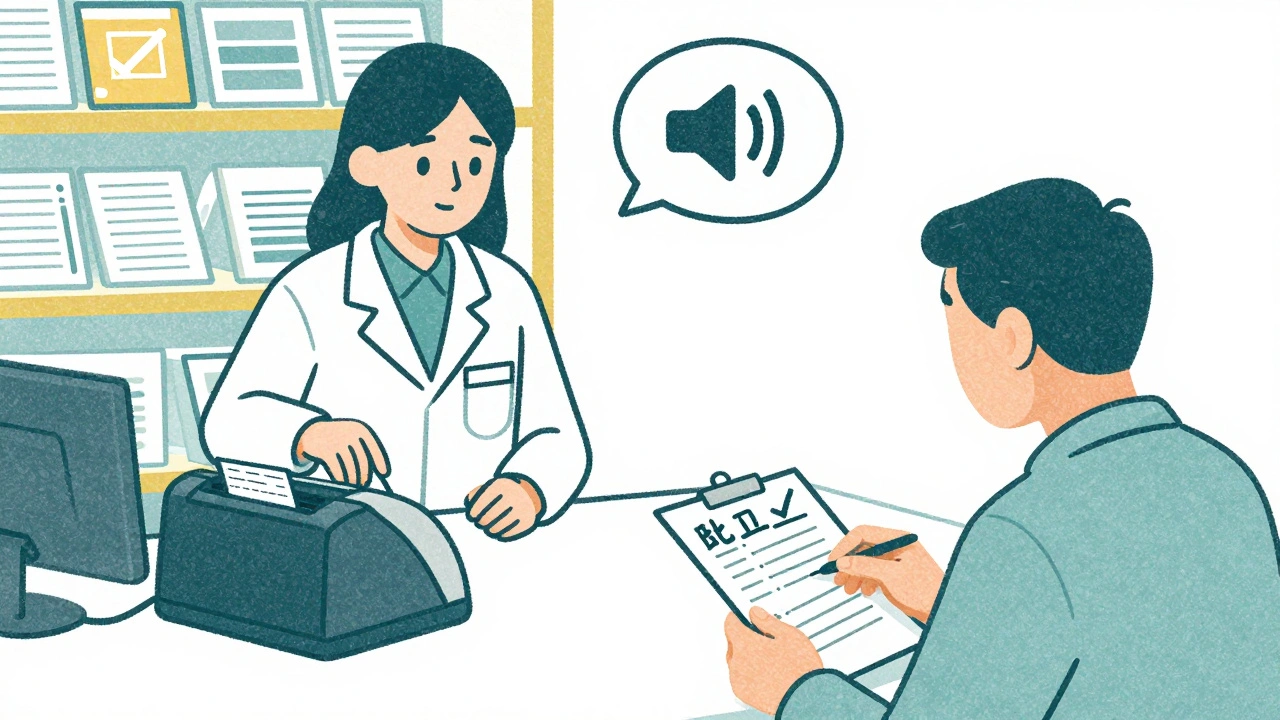
The American Foundation for the Blind published clear guidelines in 2020. They’re not optional. They’re safety standards. Here’s what pharmacies should do for every patient with low vision or hearing loss:- Provide labels with 18-point font or larger, black on white, no glare.
- Include the drug name, dose, and instructions in large print and audio format.
- Offer to describe the pill’s shape, color, and markings.
- Use a quiet room or visual cues (written instructions, pictures) for patients with hearing loss.
- Spending 3-5 extra minutes per patient isn’t a luxury-it’s a necessity.
What You Can Do Right Now
You don’t have to wait for the system to fix itself. Here’s what to do today:- Ask for large-print labels. Don’t wait for them to offer it. Say: “I have low vision. Can you print the label in 18-point font?”
- Request audio instructions. Ask if they have a talking label or can record instructions on your phone.
- Use a pill organizer. Even a simple one with four compartments makes a big difference.
- Take a photo of each pill. Save it in your phone with the name, dose, and time. Use the Notes app or a photo album labeled “My Meds.”
- Bring someone with you. If you’re unsure, have a friend or family member come to the pharmacy. Ask them to write down instructions.
- Don’t be afraid to speak up. If you can’t read the label, say so. If you didn’t hear the instructions, ask again. Your safety matters more than their rush.
The Future Is Changing-Slowly
Change is coming, but it’s not fast. The Royal National Institute of Blind People (RNIB) is rolling out a standardized labeling system in 2025. The American Foundation for the Blind plans to certify pharmacies for accessibility by 2024. The FDA has drafted new guidance-but still no mandatory rules. The biggest barrier isn’t technology. It’s willpower. Manufacturers know how to make braille, large print, and audio labels. They do it for some products. But they don’t do it for pills-because it’s not required. Until laws change, the responsibility falls on you and your care team. You have the right to safe, clear, accessible medication information. You just have to ask for it.Can I get my prescriptions labeled in large print?
Yes. Under the Americans with Disabilities Act, pharmacies must provide reasonable accommodations. Ask for large-print labels in 18-point font or larger, with high contrast. If they say no, ask to speak to the pharmacist-in-charge. Most pharmacies can do this-it just takes a few extra minutes.
Are talking pill dispensers covered by insurance?
Most insurance plans, including Medicare Part D, don’t cover talking pill dispensers. But some Medicaid programs and Veterans Affairs benefits may. Check with your provider. Even if not covered, many devices cost under $50 and can prevent costly hospital visits from medication errors.
What if I can’t read the label and don’t have family to help?
Use your smartphone. Apps like Seeing AI or Be My Eyes let you take a photo of the pill bottle and get a voice reading of the label. You can also call your pharmacy and ask them to read the label over the phone. Keep a list of your medications with doses and times in your phone notes-update it after every refill.
Why do my pills look different every time I refill?
Pharmacies often switch to generic versions, which can look different in color, shape, or size-even if they’re the same medicine. Always check with your pharmacist when you get a new bottle. Ask: “Is this the same medicine I was taking before?” and “What does it look like?” Don’t assume it’s the same.
Can I get my medications in blister packs?
Yes. Many pharmacies offer blister packs with printed dates and times. These are great for complex regimens. Ask your pharmacist if they offer them. Some charge a small fee, but it’s often worth it for safety and peace of mind.
Next Steps: Start Today
If you or someone you care for has low vision or hearing loss, don’t wait for the system to catch up. Take action now:- Call your pharmacy and ask for large-print labels.
- Buy a color-coded pill organizer this week.
- Download a pill-scanning app like Seeing AI.
- Write down your medication list and keep it in your wallet.
- Practice saying: “I need this in a way I can use.”


Kurt Russell
December 6, 2025 AT 22:59THIS. I’ve seen my grandma nearly overdose because the bottle looked identical to her blood pressure med. She’s 82, can’t read the tiny print, and the pharmacist just shrugged. No one cares until someone dies. Talking dispensers? YES. Large print? NON-NEGOTIABLE. Why is this even a debate? It’s not a luxury-it’s basic human dignity.
Ashley Farmer
December 7, 2025 AT 04:16I work with seniors daily, and this is one of the quietest crises out there. No one talks about it, but so many are terrified to take their meds. I’ve helped clients color-code with rubber bands and write ‘AM’ in sharpie. Small things. Huge impact. You don’t need fancy tech to save lives-just someone willing to slow down and listen.
Jane Quitain
December 7, 2025 AT 21:27OMG YES!! I just got my first pill organizer last week and it changed EVERYTHING. I used to mix up my anxiety med with my thyroid one-scary stuff. Now I just look at the colors and I’m good. Also, I take a pic of every new bottle with my phone notes. Game changer. You don’t need to be techy to make this work.
Louis Llaine
December 8, 2025 AT 08:14Oh wow, another ‘poor me’ post about how the world doesn’t cater to your special needs. Let me guess-next you’ll be demanding pharmacies have a staff member whisper your meds in sign language while playing ASMR. The FDA hasn’t mandated this because it’s not a crisis. It’s a minor inconvenience wrapped in emotional manipulation.
Jennifer Anderson
December 8, 2025 AT 22:21my mom’s blind and she uses seeing ai all the time. it’s not perfect, but it’s saved her from taking the wrong pill like 3 times already. also, she calls the pharmacy and asks them to read the label over the phone. they always do. weird how simple it is, right? but no one tells you this stuff. you just have to figure it out on your own.
Sadie Nastor
December 9, 2025 AT 09:08😭 this made me cry. my aunt takes 11 pills a day and she’s deaf. she misses doses because the alarms don’t work. we got her a flashing light pill box last year-it cost $45 and she hasn’t missed one since. why isn’t this standard? why does safety have to be DIY? 🙏
Nicholas Heer
December 9, 2025 AT 23:15Big Pharma and the FDA are in bed with big pharmacy chains. They don’t want you reading labels or knowing what you’re taking. That’s why the pills all look the same. Why do you think they won’t print braille? Because if you could read it, you’d realize half these drugs are just sugar pills with a fancy name. Wake up. This is control. Not care.
Sangram Lavte
December 10, 2025 AT 12:25As someone from India, I’ve seen pharmacies here use color-coded stickers and hand-drawn labels for elderly patients. No tech. No apps. Just care. Why can’t the US do this? It’s not about money-it’s about priority. We need to treat people like humans, not transactions.
Desmond Khoo
December 11, 2025 AT 20:16Just bought a Hero Health dispenser for my dad. It talks, texts me if he misses a dose, and even has a backup battery. Cost $120. Worth every penny. He used to forget meds or take doubles. Now he’s got a little robot reminding him. Also, the app lets me check his log from work. Tech isn’t the enemy-it’s the hero we didn’t know we needed.
Ryan Sullivan
December 13, 2025 AT 17:38The structural failure here is not the absence of accommodations-it’s the normalization of negligence. The ADA mandates accessibility, yet enforcement is nonexistent. Pharmacies operate under a liability-free paradigm where the burden of accommodation is externalized onto the patient. This is not innovation-it is institutionalized ableism dressed in corporate compliance.
Stacy here
December 13, 2025 AT 21:51Let’s be real-this is all part of the Great Medication Cover-Up. The government doesn’t want you knowing how many of these pills are just placebos with a patent. They keep the labels unreadable so you don’t question it. And the pharmacies? They’re paid to move pills, not protect lives. If you really want change, stop buying meds from corporate chains. Go to a co-op. Demand transparency. Or keep taking the wrong pills. Your choice.
Oliver Damon
December 14, 2025 AT 03:30There’s a deeper philosophical layer here: if we design systems that exclude people with sensory disabilities, we’re not just failing logistics-we’re failing the moral contract of care. Safety isn’t an add-on. It’s the foundation. And yet, we treat accessibility like a bonus feature, not a human right. Maybe the real question isn’t how to fix the labels-but how to rebuild a system that values every life equally.
Olivia Hand
December 15, 2025 AT 16:46My favorite part? The fact that 12% of pharmacies follow ALL the guidelines. That means 88% are basically playing Russian roulette with people’s lives. And the worst part? The people who need this the most are too tired, too scared, or too isolated to fight for it. So we sit here, scrolling, while someone’s grandfather takes his heart med instead of his insulin. Again. And again. And again.