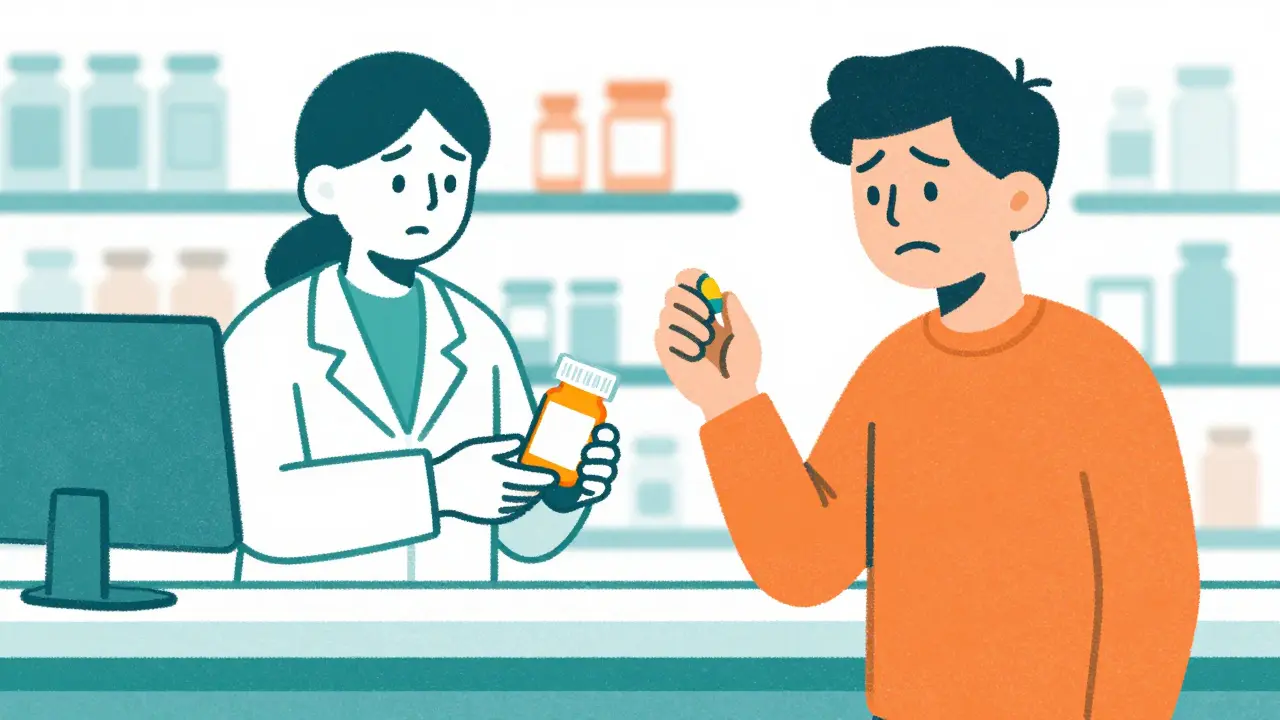
It is a frustrating moment when you've finally found a medication that works, only for your pharmacist to hand you a different-looking pill because your insurance switched you to a generic. While most generics are great, for some people, the switch just doesn't work. Whether you're dealing with a sudden return of symptoms or a strange new allergy, you might feel like you're fighting an uphill battle against a healthcare system designed to save money. The good news is that you can advocate for your health, but you need a specific strategy to get your doctor on board and your insurance to pay for it.
| Feature | Brand-Name Medication | Generic Medication |
|---|---|---|
| Approval Process | New Drug Application (NDA) | Abbreviated New Drug Application (ANDA) |
| Active Ingredients | Original patented formula | Identical active ingredients |
| Inactive Ingredients | Specific dyes, fillers, binders | Can vary by manufacturer |
| Cost | Typically higher | Typically lower |
Why the Switch Sometimes Fails
Most people hear that generics are "identical" to brands. While FDA is the U.S. agency that ensures generic drugs perform the same in the body as brand-name medicines, there is a small margin of difference allowed. For the vast majority of drugs, this doesn't matter. But for Narrow Therapeutic Index (NTI) drugs, a tiny shift in potency can be the difference between a stable condition and a crisis.
If you are taking medications like levothyroxine for thyroid issues, warfarin for blood clotting, or certain antiepileptics, your body is incredibly sensitive to the dosage. In fact, some data suggests a 23% increased risk of seizure recurrence when people switch from brand-name anti-epileptic drugs to generics. It's not that the generic is "bad," but that the consistency of the brand-name version is more reliable for your specific biology.
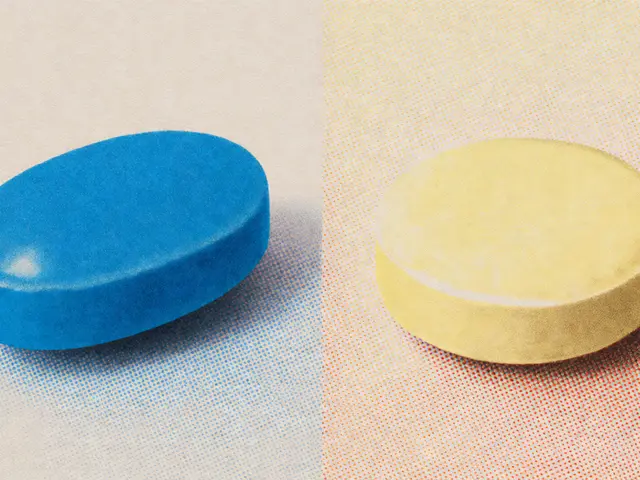
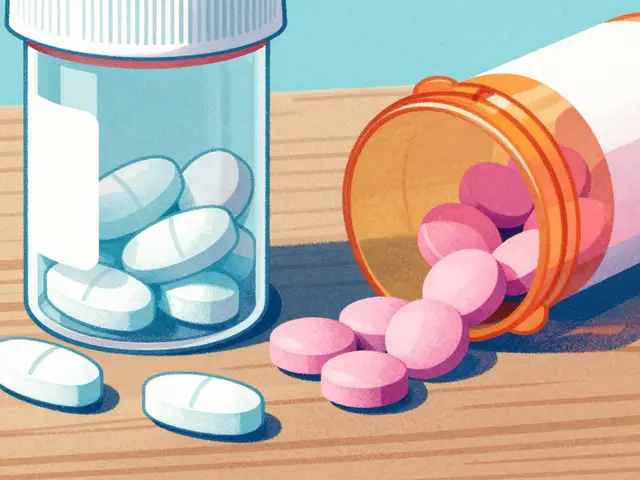
Then there are the inactive ingredients. You might not be allergic to the medicine itself, but you could be reacting to a dye, lactose, or a gluten derivative used as a filler in the generic version. About 7% of patients report adverse reactions to these fillers, which can lead to rashes, stomach upset, or other complications that make the generic option unusable for you.
Preparing Your Case Before the Appointment
You can't just tell your doctor, "I feel like the generic isn't working." Doctors hear that often, and without data, they might attribute it to a placebo effect or a different health issue. To get a brand medication prescription approved, you need to act like a detective. You need a paper trail that proves the generic is clinically inferior for your body.
Start a symptom diary. Don't just write "felt bad"; write "Tuesday, Oct 12, 2:00 PM: Experienced breakthrough migraine 4 hours after taking generic X, which never happened on brand Y." If you can, track your lab results. For example, if your blood levels became unstable the month you switched, highlight those specific dates on your lab reports. When you present this at your appointment, you aren't asking for a favor-you're presenting medical evidence.
It also helps to look up your drug's equivalence rating in the Orange Book, which is the FDA's official list of approved drug products. If you can show your doctor that you've researched the specific generic manufacturer and noticed a difference in the formulation, it shows you are informed and serious.
How to Have the Conversation
Doctors are under immense pressure to prescribe generics because of insurance mandates. Many of them are exhausted by the paperwork required to justify a brand-name drug. The best way to get them to help you is to make the process easy for them. Use a structured approach like the SBAR framework (Situation, Background, Assessment, Recommendation).
- Situation: "I'm having a problem with the generic version of my medication."
- Background: "I was stable on the brand name for two years, but since switching to the generic three months ago, my symptoms have returned."
- Assessment: "I've tracked my symptoms in this diary, and my latest blood tests show my levels are off by 15%."
- Recommendation: "I'd like to go back to the brand name. I have the documentation ready to help with the insurance prior authorization."
By framing it this way, you're not complaining; you're collaborating. You're giving them the exact phrases they need to put in their medical notes to satisfy the insurance company. Avoid using vague language like "I just prefer the brand." Instead, use specific phrases: "I experienced [symptom] within [timeframe] after the switch, which resolved when I took a sample of the brand name."
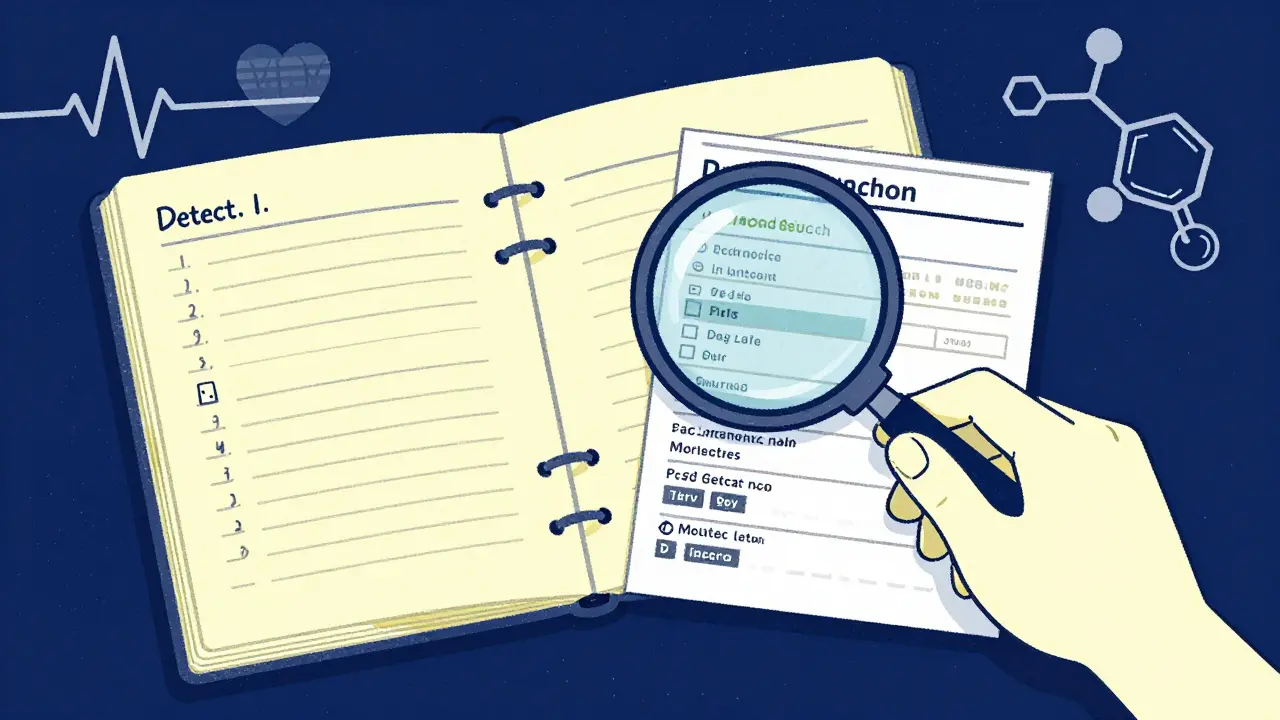
Dealing with Insurance and the "Paperwork Wall"
This is where most people give up. Your doctor might agree with you, but your insurance company will likely deny the claim initially. This is called a Prior Authorization process. It's essentially the insurance company saying, "Prove to us that the cheap version truly doesn't work before we pay for the expensive one."
To get through this, ask your doctor to use a Dispense as Written (DAW) code. Specifically, a DAW-1 code indicates that the brand is medically necessary. This tells the pharmacist not to substitute the drug, though it doesn't guarantee the insurance will pay for it.
If the insurance denies the request, don't panic. A huge percentage of these denials are overturned on appeal if the clinical documentation is strong. Give your doctor's office a copy of your symptom log and any pharmacy records showing you tried multiple generic manufacturers without success. The more "failed attempts" you can document, the harder it is for the insurance company to justify forcing you onto a generic.
Comparing the Brand vs. Generic Experience
It's helpful to understand exactly what you are fighting for. While the core medicine is the same, the delivery system can differ. For some, this is a non-issue; for others, it's everything.
| Factor | Brand Experience | Generic Experience |
|---|---|---|
| Consistency | Single manufacturer, highly consistent batches. | Can change manufacturers based on pharmacy stock. |
| Tolerability | Known inactive ingredients. | Risk of reaction to different dyes or fillers. |
| Efficacy | The gold standard for the specific drug. | 99% bioequivalent, but can feel different to NTI patients. |
| Access | Often requires prior authorization. | Usually available instantly. |

When to Be Especially Persistent
There are certain categories of medication where you should be more aggressive in requesting the brand name. Biologics, for example, have Biosimilars. These aren't true generics; they are "highly similar" but not identical. Because these are complex proteins, the differences can be more pronounced than with a simple chemical pill.
Psychiatric medications are another area where patients frequently report differences. While the clinical data often says they are the same, the way the brain processes these chemicals is incredibly nuanced. If you notice an increase in anxiety or a return of depression after a generic switch, document it immediately. Your mental stability is a compelling medical reason for a doctor to write a "medical necessity" letter.
Will my insurance ever pay for the brand name if a generic exists?
Yes, but usually only after a "step therapy" process. This means you must try the generic first and prove it failed. Once your doctor submits clinical evidence of therapeutic failure or a documented allergy to an inactive ingredient, insurance companies often approve the brand name through a prior authorization exception.
Can I just ask the pharmacist to give me the brand name?
You can ask, but the pharmacist can only dispense what the doctor wrote. If the prescription says "substitutable," the pharmacist will give you the generic to save you money. If you want the brand, the doctor must write "Dispense as Written" (DAW) on the prescription. Keep in mind that you may still have to pay a higher co-pay if the insurance doesn't cover the brand.
What is a "Narrow Therapeutic Index" drug?
An NTI drug is a medication where a small difference in the dose can lead to a big change in the drug's effect. Because the window between a "working dose" and a "toxic dose" is so small, any slight variation in the bioequivalence of a generic can cause a patient to either under-dose or over-dose.
How do I find out what inactive ingredients are in my generic?
You can ask your pharmacist for the "package insert" or the full ingredient list for the specific manufacturer they are using. Since different generic companies use different fillers, you should check the list every time the pharmacy switches the generic brand they stock.
What if my doctor refuses to prescribe the brand name?
If your doctor isn't listening, bring your documented evidence (symptom logs and labs) and ask them specifically why the generic is appropriate for you despite those symptoms. If they still refuse, you can ask for a referral to a specialist (like an endocrinologist or neurologist) who may have more experience with NTI drugs and be more willing to advocate for the brand.
Next Steps for Your Medication Journey
If you're currently struggling with a generic, don't wait for your next annual check-up. Start your symptom log today and gather your previous lab results. If you're in the middle of an insurance appeal, be prepared to spend a few hours gathering documentation-it's a tedious process, but it's the most effective way to get the treatment you need.
For those starting a new medication, ask your doctor upfront: "Is this a narrow therapeutic index drug?" and "If we start with a generic and I don't respond well, what is our plan to switch to the brand?" Setting these expectations early makes the eventual conversation much smoother.



Danny Wilks
April 9, 2026 AT 22:33It is genuinely fascinating how the American healthcare infrastructure operates on such a precarious balance of cost-cutting measures and clinical necessity, often leaving the individual to navigate a labyrinth of bureaucratic hurdles just to maintain a stable baseline of health. I have observed that in many other cultures, the relationship between the patient and the prescriber is far less mediated by the profit motives of third-party insurance providers, which creates a more holistic approach to wellness rather than this adversarial combat for a specific molecular formulation.
Trey Kauffman
April 11, 2026 AT 07:36Ah, the beautiful dance of modern medicine where we pretend that
Trey Kauffman
April 12, 2026 AT 06:55Ah, the beautiful dance of modern medicine where we pretend that everything is a commodity. Why simply take a pill when you can first engage in a spiritual quest for a 'prior authorization' and treat your doctor like a middle-manager at a failing corporate office? It's almost poetic that we've turned healing into a game of paperwork gymnastics. 🙄
Doug DeMarco
April 13, 2026 AT 17:29This is such a helpful breakdown! 😊 I've seen so many folks struggle with this and just feel defeated by the system. Just remember everyone, you've got the right to advocate for your own body! Keep those logs and don't be afraid to push back gently but firmly. We're all in this together! 🙌
Camille Sebello
April 14, 2026 AT 15:48Wait... what drug are you on??!! Need to know!! My cousin had this too!!
Julie Bella
April 15, 2026 AT 03:05Omg I totally agree!! its so wrong that companies just care about money over ppl's lives!! 😡 I tried to tell my doctor the generic was trash and he barely looked at me!! its a total joke!! 🙄
Emily Wheeler
April 16, 2026 AT 00:49There is something profoundly reflective about the way we must quantify our suffering into a diary just to be believed by a system that is supposed to be predicated on trust and care. It feels like we are navigating a digital age of medicine where the data point is more important than the actual lived experience of the human being sitting in the waiting room, yet if we can leverage that data to align with the systemic requirements of the insurance company, we find a strange sort of liberation in the bureaucracy. It is a paradox of our time that to be seen as a person, we must first present ourselves as a series of clinical failures and documented symptoms, but once that threshold is crossed, the path to wellness becomes slightly more accessible for those who have the energy to fight.
Peter Meyerssen
April 16, 2026 AT 08:04The bioequivalence metrics are essentially a farce when you consider the pharmacokinetic variability in NTI drugs. 🙄 It's basic pharmacology, really. The systemic asymmetry between the brand's purity and the generic's filler load is just... amateur hour. 💅
Rakesh Tiwari
April 17, 2026 AT 18:30Oh, how noble of us to 'advocate' for a more expensive pill. I'm sure the pharmaceutical giants are just weeping with gratitude that we're helping them maintain their obscene profit margins. Truly, the height of moral courage is fighting for the right to pay a premium for a brand name. 🙄
Ryan Hogg
April 19, 2026 AT 07:11I can't even imagine the stress of this. I'm already spiraling just thinking about the insurance phone calls. My last doctor just ignored me for weeks and I felt like I was disappearing. I just want someone to care that I'm actually suffering and not just a case number in a file. It's honestly exhausting to be the only one fighting for your own life while everyone else just wants to close the ticket.
Thabo Leshoro
April 19, 2026 AT 12:53I hear you... it sounds so hard... the prior auth process is a nightmare!! just keep breathing... you are doing your best... the bio-availability issues are real... hold on!!
kalpana Nepal
April 19, 2026 AT 15:19In India, we have better ways to handle this. The West only cares about money and laws. Truth is, nature and a strong will matter more than these fancy brand labels from the US. Our systems are more grounded in reality.