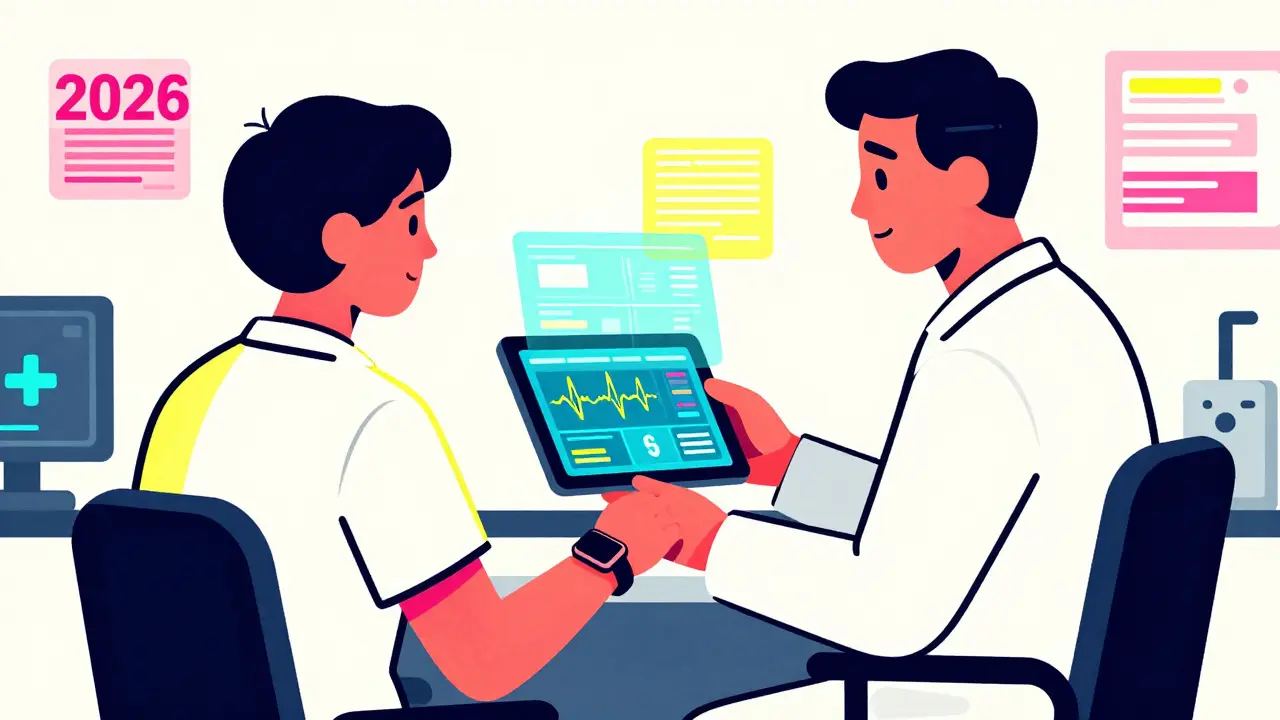
Walk into a doctor’s office today, and you might notice something different. The physician isn’t just listening to your symptoms; they’re reviewing data from your smartwatch, cross-referencing it with AI-driven diagnostic tools, and discussing treatment options that were customized based on your genetic profile. This isn’t science fiction-it’s the new normal for many healthcare providers in 2026. But behind these technological leaps lies a deeper shift: a fundamental change in how medical professionals view their roles, their patients, and their own careers.
For years, the dominant narrative in healthcare was about efficiency-seeing more patients in less time. Today, that mindset is crumbling under the weight of burnout, staffing shortages, and empowered consumers who demand more than transactional check-ups. Providers are no longer just treating illnesses; they are managing ecosystems of data, technology, and human connection. Understanding this evolution is critical for anyone working in or interacting with the healthcare system, as it reshapes everything from appointment scheduling to career advancement.
The Shift From Skepticism to Strategic Necessity
A few years ago, many doctors viewed artificial intelligence (AI) and digital health tools with caution. There were concerns about privacy, accuracy, and the loss of the “human touch.” That skepticism has largely vanished, replaced by a sense of strategic necessity. According to Forrester, a leading research and advisory firm, the expansion of AI’s role on the front line is now a critical trend for healthcare provider organizations. It’s no longer optional to integrate these technologies if you want to remain competitive and effective.
This shift isn’t just about keeping up with tech giants. It’s about survival and quality. With over half of Americans owning wearable devices that generate continuous biometric data, patients arrive at appointments expecting their providers to understand this information. IPG Health, a global healthcare marketing agency, notes that integrating AI is essential because consumers are already customizing their own treatment paradigms before they even step into a clinic. Doctors who ignore this data risk becoming obsolete in the eyes of informed patients.
However, adoption comes with challenges. Providers must implement robust governance frameworks to address fairness, security, and accountability. The goal isn’t to replace clinicians with algorithms but to augment their capabilities. As one industry expert put it, organizations must “train-not penalize” employees on responsible AI use. This cultural shift requires leaders to model shared purpose and create rituals that reinforce the value of technology in enhancing, rather than replacing, human care.
Redefining the Doctor-Patient Relationship
The traditional dynamic where the doctor holds all the knowledge and the patient passively receives advice is gone. In its place is a partnership built on transparency and shared data. The National Institutes of Health (NIH) reports that physicians in 2025 and beyond will engage with consumers who arrive with comprehensive health records derived from apps, wearables, and home testing kits. These aren’t just discussion points; they are actionable datasets that require interpretation.
This change demands new competencies from providers. They need to be fluent in data interpretation and digital health tool utilization. For instance, instead of asking “How have you been sleeping?” a provider might review sleep patterns tracked by a device over the past month. This allows for quicker, more effective treatment decisions. Maya from IPG Health highlights that users are accustomed to collecting personal biometric data, meaning they expect providers to act on it.
Moreover, patient engagement is moving toward holistic partnerships. Providers are implementing “digital front doors” to centralize care solutions, account management, and payments. Advanced analytics powered by generative AI help aggregate customer insights and anticipate patient needs before they become crises. This proactive approach reduces administrative costs while improving outcomes, aligning with the broader move toward value-based care arrangements that reward reductions in wasteful spending.

Workforce Transformation and Retention Strategies
Behind every successful clinical interaction is a workforce facing unprecedented pressure. Staffing shortages are not just a temporary blip; they are a structural challenge. PwC projects that the healthcare workforce of more than 20 million people will look vastly different in ten years due to clinical labor shortages, high education costs, and the acceleration of digital workers like AI agents. By 2026, 53% of healthcare employers cite employee retention as their biggest challenge over the next five years.
In response, provider attitudes toward work structures are evolving. The rigid nine-to-five hospital schedule is giving way to flexible, multidisciplinary teams. Clinicians are increasingly working in “anywhere, anytime” models of care, utilizing virtual care solutions that free them from physical workspaces. This flexibility is crucial for retaining talent, especially among younger generations who prioritize work-life balance.
Certification plays a pivotal role in this transformation. Data from the National Healthcareer Association (NHA) shows that 85% of healthcare employees believe certification is important to their performance. More importantly, 71% of employers have increased pay for employees who earn credentials. This links professional development directly to financial reward and career advancement, addressing both retention and quality concerns. Providers are recognizing that formal qualifications are essential for delivering safe, high-standard care in an increasingly complex environment.
| Aspect | Traditional Approach (Pre-2024) | Evolving Approach (2026+) |
|---|---|---|
| Patient Interaction | Transactional, symptom-focused | Holistic, data-driven partnership |
| Technology Use | Cautious, limited to EHRs | Strategic, AI-integrated diagnostics |
| Work Structure | Fixed schedules, location-bound | Flexible, virtual-capable, team-based |
| Role of Certification | Basic requirement for hiring | Key driver for retention and pay increases |
| Care Model | Volume-based fee-for-service | Value-based, outcome-oriented |
Navigating Implementation Challenges
While the direction is clear, the path forward is fraught with obstacles. One major hurdle is culture. Forrester analysts warn that many healthcare organizations find their culture initiatives fail to impact operations meaningfully, leading to a disconnect between leaders and employees. To bridge this gap, leaders must actively model the organization’s shared purpose. It’s not enough to buy new software; staff must believe in its value.
Another challenge is balancing technological efficiency with human connection. IPG Health notes that transparency about processes has become a competitive advantage. Consumers value authenticity over fully AI-generated content. Providers must learn to communicate complex data insights in a way that feels personal and empathetic. Using tools like virtual reality headsets for patient education can provide immersive learning experiences, but only if the provider can guide the conversation effectively.
Additionally, there is the issue of equity. Not all patients have access to wearable devices or high-speed internet. Providers must ensure that their embrace of digital health doesn’t leave vulnerable populations behind. This requires creating hybrid models that offer both high-tech and low-tech options for care delivery.
Looking Ahead: Building Resilient Health Ecosystems
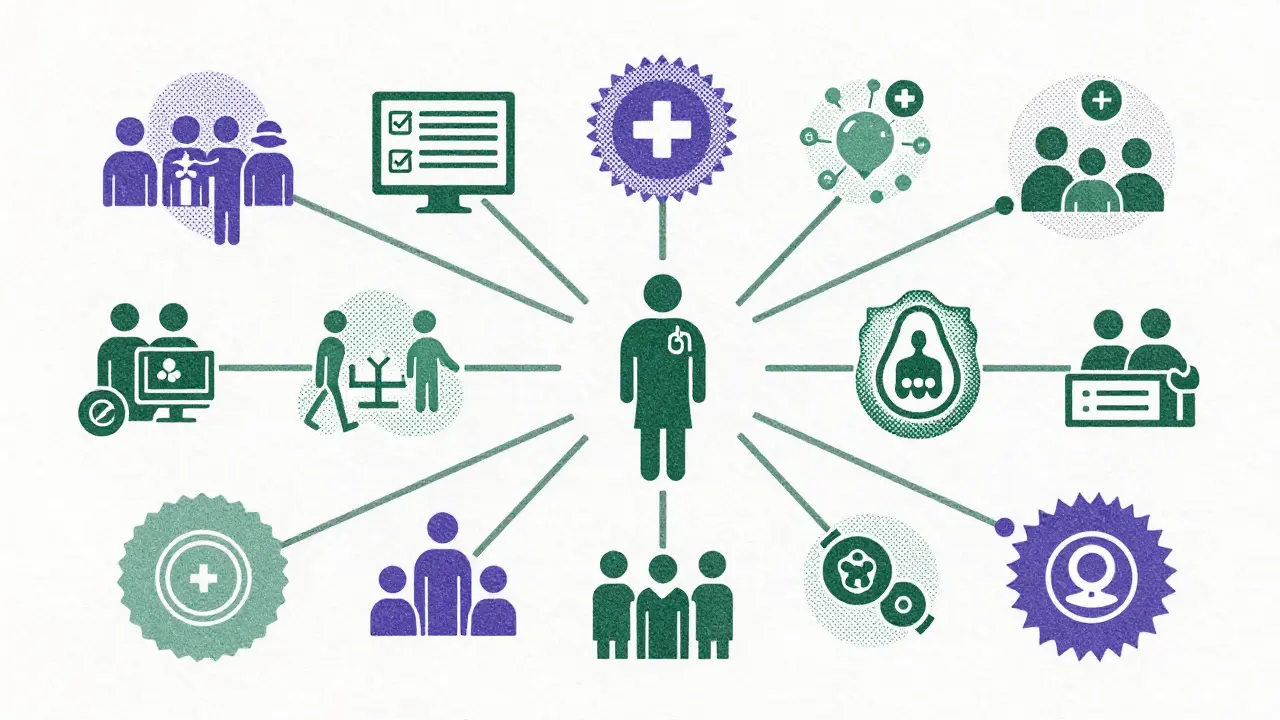
The future of healthcare practice is not just about individual providers adapting; it’s about building resilient ecosystems. PwC reports that providers are constructing health ecosystems tailored to patients with complex social, medical, and behavioral needs. These networks include technology hyperscalers, AI disruptors, and value-chain solution providers, moving away from traditional payer-provider silos.
For practitioners, this means expanding their professional identities. You are no longer just a cardiologist or a nurse; you are a node in a vast network of care. Success will depend on your ability to collaborate across disciplines, interpret diverse data sources, and maintain empathy amidst automation. The providers who thrive will be those who view technology as a tool to enhance human connection, not replace it.
As we move further into 2026, the message is clear: adaptability is the new currency. Whether through upskilling in digital literacy, pursuing certifications for career stability, or rethinking patient engagement strategies, the evolution of provider attitudes is driven by a simple truth-the old ways don’t work anymore. The future belongs to those who can blend cutting-edge innovation with timeless compassion.
How is AI changing the daily routine of healthcare providers?
AI is shifting from a background tool to a frontline partner. Providers now use AI to analyze patient data from wearables, predict potential health issues, and streamline administrative tasks. This allows doctors to spend less time on paperwork and more time on direct patient interaction, although it requires them to develop new skills in data interpretation and digital tool management.
Why are certifications so important for healthcare workers in 2026?
Certifications are linked directly to retention and pay. With 71% of employers increasing pay for credentialed staff, certifications serve as proof of competence in a rapidly changing field. They help address workforce shortages by ensuring that allied health professionals, such as medical assistants and phlebotomists, meet the high standards required for modern, technology-integrated care.
What does "value-based care" mean for provider attitudes?
Value-based care rewards providers for reducing wasteful spending and improving patient outcomes rather than just seeing volume. This shifts the attitude from “how many patients can I see?” to “how well can I keep this population healthy?” It encourages preventive measures, holistic partnerships, and operational efficiency.
Are patients really bringing their own data to appointments?
Yes. With widespread ownership of wearable devices, patients often arrive with detailed records of their heart rate, sleep, activity levels, and more. Providers must be prepared to interpret this consumer-generated health data (PGHD) to make accurate diagnoses and customize treatment plans, marking a significant shift from relying solely on in-clinic measurements.
How can healthcare organizations prevent burnout during this transition?
Organizations must focus on culture and flexibility. This includes offering remote work options for eligible roles, investing in training that empowers rather than overwhelms staff, and using technology to reduce administrative burdens. Leaders must also model shared purpose and ensure that technological changes support, rather than hinder, the human experience of care.