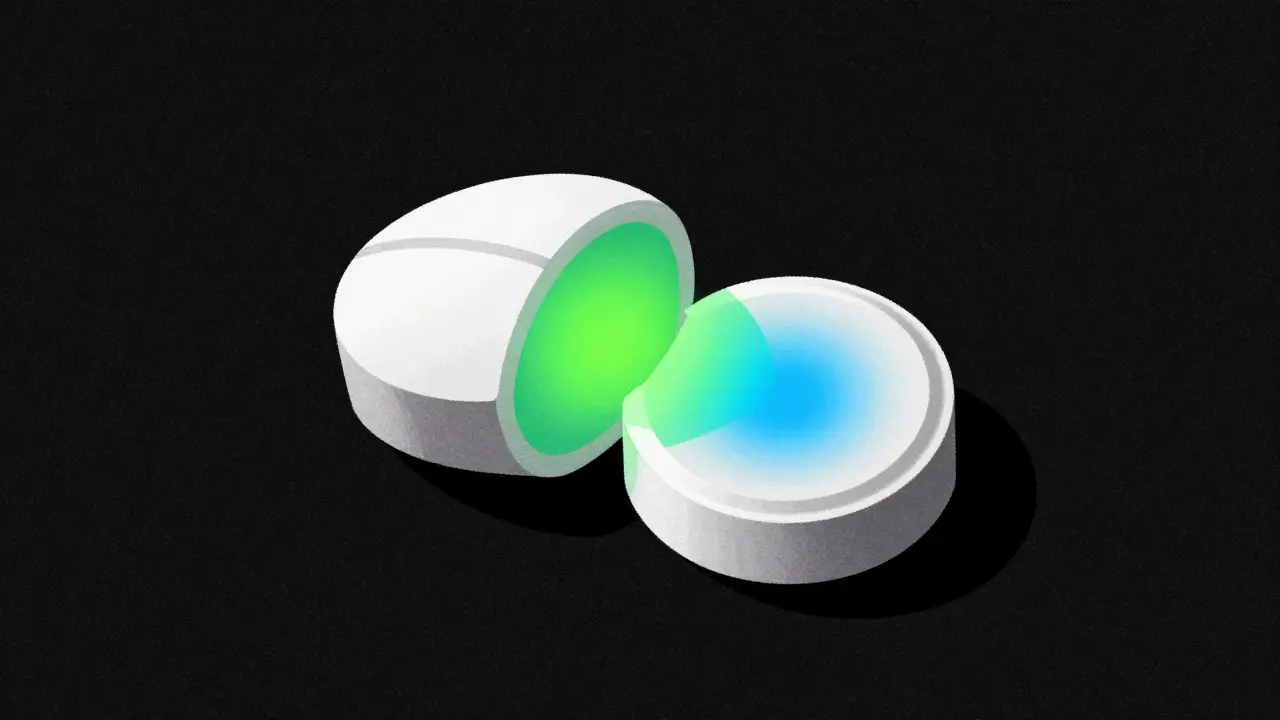
Imagine buying a pill that looks exactly like your prescription for anxiety or pain. You take it because you trust the imprint on the tablet. But inside that tiny disc is not the medication you paid for. It is fentanyl, a synthetic opioid up to 100 times stronger than morphine. This is not a hypothetical horror story; it is the reality for thousands of people every year. The line between a prescribed dose and a lethal one has never been thinner.
The rise of counterfeit pills has turned a common habit-taking medication for relief-into a Russian roulette game. Traffickers are flooding the market with fake versions of popular drugs like oxycodone, Xanax, and Adderall. These fakes are designed to look identical to the real thing, making visual inspection useless. Understanding the risks, recognizing the signs of an overdose, and knowing how to prevent tragedy are no longer optional-they are essential survival skills.
The Hidden Danger in Everyday Pills
Fentanyl was originally developed for medical use, specifically for severe pain management in hospitals. However, its extreme potency makes it a favorite for illicit manufacturers. Why? Because it is cheap to produce and incredibly powerful. A small amount goes a long way, allowing traffickers to maximize profits while minimizing the volume of product they need to transport.
The scale of this problem is staggering. According to data from the U.S. Drug Enforcement Administration (DEA), seizures of fentanyl-laced fake pills have skyrocketed. In recent years, authorities have seized tens of millions of these pills annually. To put that in perspective, the amount of fentanyl seized in a single major bust in Atlanta in early 2024 was enough to kill 2.5 million people. That is not an exaggeration; it is a statistic that highlights the sheer volume of deadly substances entering communities.
The danger lies in the unpredictability. When you buy a counterfeit pill, you have no idea what is inside. One pill might contain a sub-lethal dose, causing drowsiness but not death. The next pill from the same batch might contain a lethal dose. There is no consistency. This variability is what makes illicitly manufactured fentanyl so dangerous compared to regulated pharmaceuticals.
Why Visual Inspection Fails
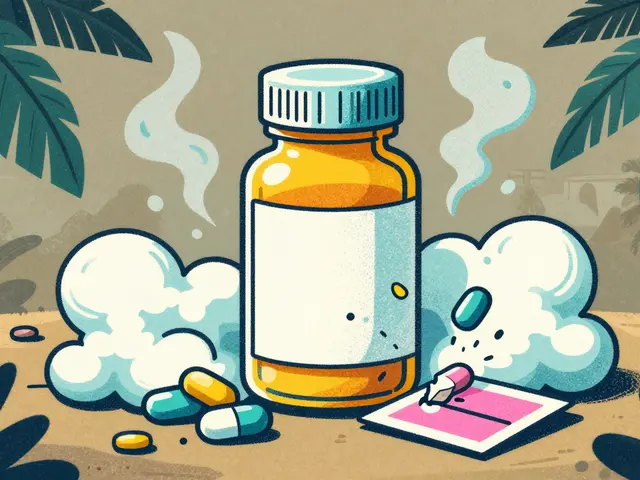
A common misconception is that you can tell if a pill is fake by looking at it. Many people believe that if the pill has the right color, shape, and imprint, it must be legitimate. This belief is deadly wrong. Modern counterfeiters use advanced printing techniques to replicate the imprints of legitimate medications perfectly. They mimic the logos of major pharmaceutical companies down to the finest detail.
Experts from the University of Washington and other health institutions emphasize that there is no reliable way to identify a fake pill just by looking at it. Even trained professionals cannot distinguish between a genuine oxycodone pill and a fentanyl-laced counterfeit without chemical testing. Relying on your eyes gives you a false sense of security. If the pill did not come directly from a licensed pharmacy, you should assume it could be contaminated.
This visual deception targets vulnerable populations, including teenagers and young adults who may purchase pills through social media or peer networks. The ease of access combined with the convincing appearance creates a perfect storm for accidental overdoses. The DEA’s "One Pill Can Kill" campaign exists to shatter the illusion that you can spot a fake with your naked eye.
Understanding Overdose Risks and Symptoms
Fentanyl affects the central nervous system by binding to opioid receptors in the brain. This action slows down breathing, heart rate, and consciousness. Because fentanyl is so potent, even a tiny amount-less than 2 milligrams, which is smaller than the tip of a pencil-can stop an average adult’s breathing entirely.
Recognizing the signs of an opioid overdose is critical for saving lives. If someone has taken a substance containing fentanyl, watch for these specific symptoms:
- Pinpoint pupils: The pupils become very small and do not react to light.
- Slowed or stopped breathing: Breathing becomes shallow, irregular, or stops completely.
- Unresponsiveness: The person cannot be woken up, even with vigorous shaking or shouting.
- Choking or gurgling sounds: Often described as a "death rattle," this indicates fluid buildup in the lungs due to respiratory failure.
- Blue or purple lips and fingernails: This discoloration signals a lack of oxygen in the blood.
If you observe any of these signs, act immediately. Every second counts when someone’s breathing is compromised. Do not wait to see if they wake up. Call emergency services right away.
Prevention Strategies That Work
Preventing fentanyl-related overdoses requires a multi-layered approach. Education is the first line of defense, but it must be paired with practical harm reduction tools. Here are actionable steps you can take to protect yourself and others.
1. Never Trust Non-Pharmacy Sources
The only safe medications are those prescribed by a medical professional and dispensed by a licensed pharmacist. Avoid buying pills from friends, dealers, online marketplaces, or social media contacts. Even if you know the seller personally, they may not know what is in the pills themselves. The supply chain for counterfeit drugs is opaque and unreliable.
2. Use Fentanyl Test Strips
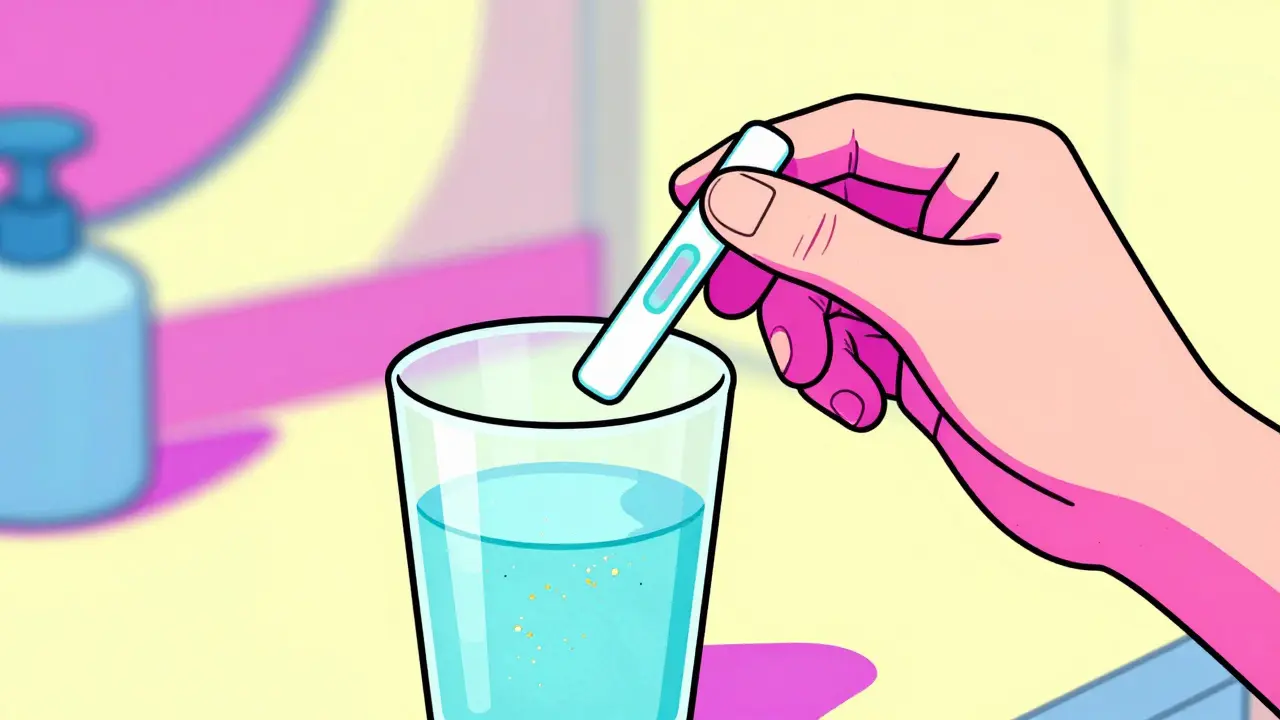
Fentanyl test strips are simple, inexpensive tools that can detect the presence of fentanyl in substances. While they are not perfect-they may miss fentanyl if it is unevenly distributed in a pill or fail to detect newer analogs like carfentanil-they provide valuable information. To use them, crush a small portion of the pill, mix it with water, and dip the strip. A positive result means fentanyl is present. A negative result does not guarantee safety, but it helps inform decisions. Many health departments and syringe service programs offer these strips for free or at low cost.
3. Carry Naloxone (Narcan)
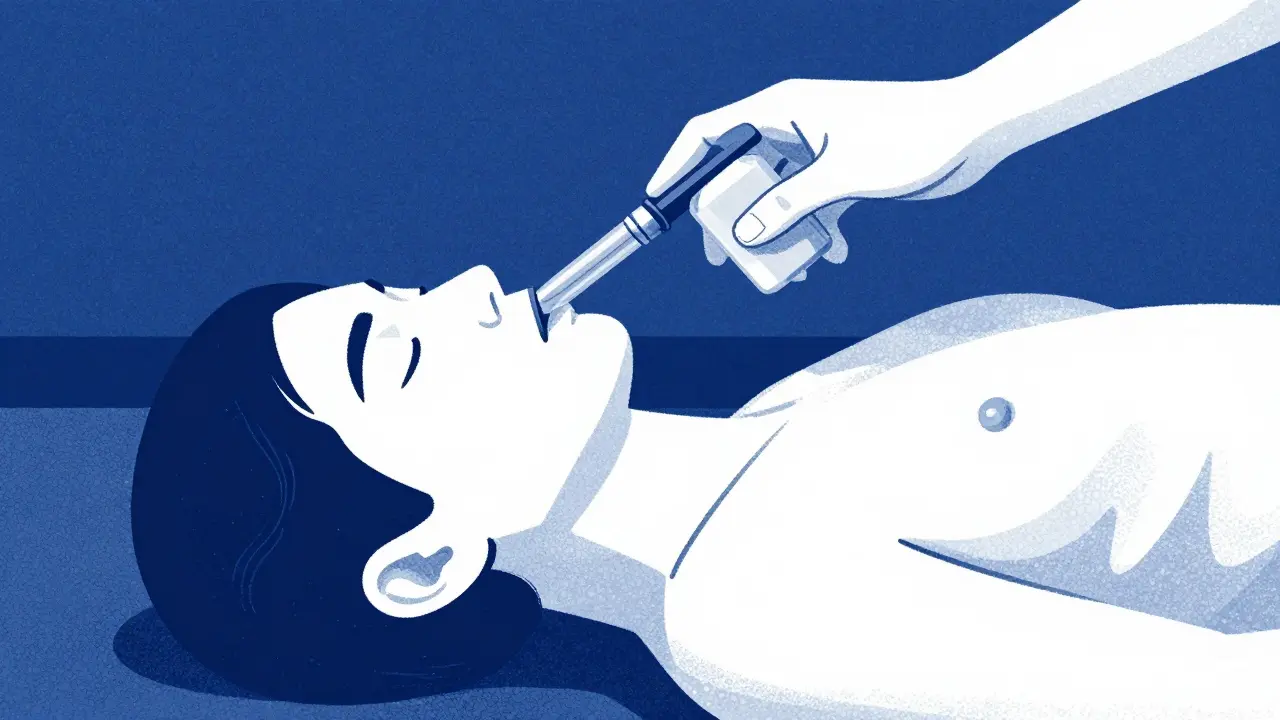
Naloxone, commonly known by the brand name Narcan, is a life-saving medication that reverses opioid overdoses. It works by blocking opioid receptors in the brain, restoring normal breathing. Naloxone is available as a nasal spray and is increasingly accessible without a prescription in many regions. Keep it in your home, car, or bag if you or someone you know uses opioids or encounters people who do. Remember that fentanyl overdoses may require multiple doses of naloxone due to the drug’s potency.
4. Avoid Using Alone
If you choose to use substances despite the risks, never do it alone. Having someone nearby who knows what to do in an emergency can mean the difference between life and death. Consider using check-in apps or services that alert emergency contacts if you do not respond within a set time frame.
The Role of Harm Reduction and Community Support
Harm reduction is not about encouraging drug use; it is about keeping people alive until they are ready to seek help. Programs that distribute naloxone, provide testing supplies, and offer education save countless lives. In states like Colorado, where overdose deaths have surged, community-led initiatives have played a crucial role in mitigating the crisis.
Support groups and recovery communities also provide vital resources. Platforms like Reddit’s r/OpiatesRecovery share personal stories and warnings, helping others recognize the dangers of counterfeit pills. These narratives humanize the statistics and reinforce the message that no one is immune to the risks of the illicit drug supply.
Public health officials continue to advocate for expanded access to treatment options, including methadone and buprenorphine, which can reduce cravings and withdrawal symptoms. Addressing the root causes of substance use disorders, such as trauma, mental health issues, and socioeconomic factors, is essential for long-term solutions.
What to Do in an Emergency
If you suspect someone is experiencing a fentanyl overdose, follow these steps immediately:
- Call emergency services: Dial the local emergency number (e.g., 911 in the US, 000 in Australia) right away. Clearly state that you suspect an opioid overdose.
- Administer naloxone: If available, give the nasal spray according to the instructions. Repeat every 2-3 minutes if there is no response.
- Perform rescue breathing: If the person is not breathing, begin CPR or rescue breathing if you are trained. Tilt their head back, pinch their nose, and blow into their mouth to keep oxygen flowing.
- Place them in the recovery position: If they start breathing but remain unconscious, roll them onto their side to prevent choking on vomit.
- Stay with them: Monitor their condition until help arrives. Be prepared to provide additional information to paramedics.
Do not hesitate to act. Good Samaritan laws in many jurisdictions protect bystanders who call for help during an overdose. Saving a life is always worth the potential legal concerns.
Looking Ahead: Combating the Crisis
The fight against counterfeit fentanyl pills requires sustained effort from governments, healthcare providers, and communities. Law enforcement agencies are working to disrupt supply chains, particularly targeting transnational criminal organizations involved in production and distribution. However, enforcement alone is not enough. Public education campaigns, like the DEA’s "One Pill Can Kill," must reach broader audiences, including schools, workplaces, and digital platforms.
Innovations in detection technology are also emerging. Researchers are developing more sensitive testing methods that can identify new fentanyl analogs. Meanwhile, policymakers are exploring ways to increase access to addiction treatment and harm reduction services. The goal is to create a safety net that catches individuals before they fall victim to the unpredictable nature of the illicit drug market.
As we move forward, vigilance remains our best defense. By staying informed, carrying naloxone, and supporting harm reduction efforts, we can reduce the toll of fentanyl-related deaths. The stakes are high, but collective action can make a tangible difference in saving lives.
How can I tell if a pill contains fentanyl?
You cannot reliably tell if a pill contains fentanyl by looking at it. Counterfeit pills are designed to look identical to legitimate medications. The only way to know for sure is through chemical testing, such as using fentanyl test strips. However, even these tests have limitations and may not detect all analogs or uneven distribution within a pill.
Is naloxone effective against fentanyl overdoses?
Yes, naloxone (Narcan) is effective in reversing fentanyl overdoses. However, because fentanyl is so potent, multiple doses may be required to restore breathing. It is important to administer naloxone immediately and continue monitoring the person until emergency services arrive.
Where can I get fentanyl test strips?
Fentanyl test strips are often available for free or at low cost through local health departments, syringe service programs, and some community organizations. They may also be sold online or at certain pharmacies. Check with your local public health authority for specific locations near you.
Are prescription pills from a pharmacy safe from fentanyl contamination?
Yes, prescription medications obtained from a licensed pharmacy are rigorously tested and regulated. The risk of fentanyl contamination is virtually non-existent for pills dispensed by a legitimate pharmacy. The danger arises primarily from pills purchased from illicit sources, such as street dealers or unverified online vendors.
What should I do if I find someone unconscious after taking a pill?
If someone is unconscious and not breathing normally, call emergency services immediately. Administer naloxone if available. Perform rescue breathing or CPR if you are trained. Place them in the recovery position if they begin breathing but remain unconscious. Stay with them until help arrives.