Corticosteroid Infection Risk Calculator
Enter Your Treatment Details
Enter your dosage and duration to see your specific infection risk profile and recommended precautions.
Result Title
List of vulnerabilities
Recommended Actions:
You take your daily pill because the inflammation is unbearable. The swelling goes down, the pain fades, and you feel like yourself again. But there is a hidden cost that rarely makes it into the prescription instructions. Corticosteroids are powerful anti-inflammatory drugs that significantly suppress the immune system, increasing susceptibility to infections. While they save lives by calming autoimmune storms, they simultaneously disarm your body’s primary defense mechanism. Understanding this trade-off is not just academic; it is the difference between managing a chronic condition safely and ending up in the hospital with a life-threatening opportunistic infection.
The relationship between steroid use and infection is not random. It is dose-dependent, predictable, and largely preventable if you know what to look for. This guide breaks down exactly how these drugs weaken your immunity, which infections pose the greatest threat, and the specific protocols doctors use to keep you safe.
How Corticosteroids Silence Your Immune System
To understand why you get sick more often on steroids, you have to look at what these drugs actually do inside your cells. Glucocorticoids, such as prednisone, methylprednisolone, and dexamethasone, mimic the hormone cortisol produced by your adrenal glands. When you take them in therapeutic doses, they bind to receptors throughout your body and trigger a cascade of genetic changes that shut down inflammation.
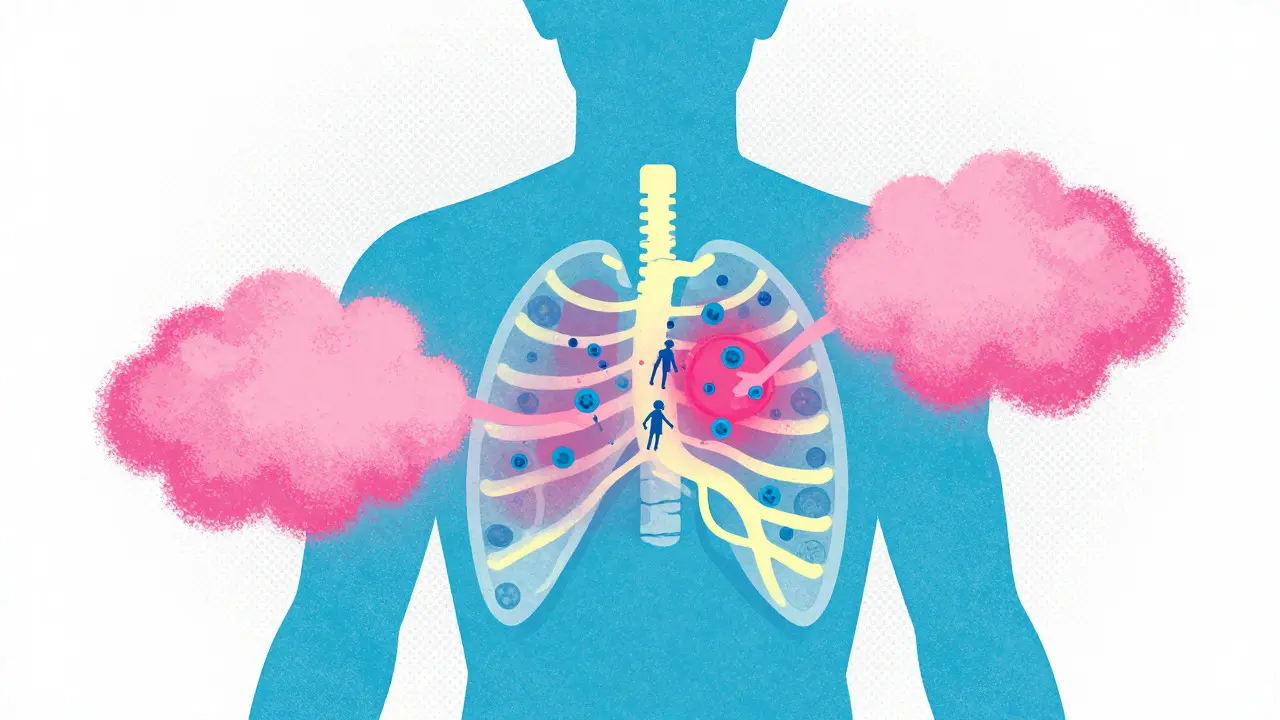
The problem is that inflammation is also how your immune system fights invaders. By turning off the alarm, you let the intruders in. Specifically, glucocorticoids cause lymphocytopenia, a condition where the number of lymphocytes (white blood cells) drops sharply. They do this by forcing lymphocytes out of circulation and promoting their death. The most critical impact is on T cells. T cells are the generals of your immune army; they coordinate attacks against viruses and bacteria. Steroids inhibit T cell activation by stopping the production of cytokines, the chemical messengers that tell other immune cells to attack.
Interestingly, steroids don’t affect all immune cells equally. Research from Frontiers in Immunology shows that B cells, which produce antibodies, remain largely functional. This creates a specific vulnerability profile: your humoral immunity (antibody response) stays intact, but your cellular immunity (T-cell response) collapses. This means you are particularly susceptible to pathogens that hide inside cells, such as tuberculosis, certain fungi, and viruses like herpes zoster (shingles). Additionally, while the total count of neutrophils (another type of white blood cell) may actually rise due to demargination, their ability to adhere to endothelial cells and migrate to sites of infection is impaired. You have soldiers, but they can’t get to the battlefield.
The Dose-Response Relationship: When Does Risk Spike?
Not everyone who takes a steroid faces the same level of danger. The risk of infection correlates directly with two factors: the equivalent dose of prednisone and the duration of therapy. A short course of low-dose steroids for a severe allergic reaction carries minimal long-term risk. However, chronic use tells a different story.
Clinical data establishes a clear threshold. Patients receiving ≥20 mg/day of prednisone equivalent for more than 3-4 weeks face a significantly elevated risk of serious infections. According to a 2022 meta-analysis published in the Annals of the Rheumatic Diseases, each 10 mg/day increase in prednisone equivalent correlates with a 32% higher risk of serious infection. This linear relationship means that doubling your dose doesn't just double the risk; it compounds it across multiple biological pathways.
| Dosage Level (Prednisone Equivalent) | Duration | Risk Category | Key Vulnerabilities |
|---|---|---|---|
| < 15 mg/day | Any | Low/Moderate | Mild viral reactivations (e.g., cold sores) |
| ≥ 15 mg/day | > 1 month | Moderate/High | Tuberculosis reactivation, fungal infections |
| ≥ 20 mg/day | > 4 weeks | High | Pneumocystis jirovecii pneumonia (PJP), invasive candidiasis |
| > 40 mg/day | Any prolonged period | Very High | Disseminated viral infections, sepsis with masked symptoms |
This table highlights why clinicians are so cautious about tapering schedules. Staying above the 20 mg threshold for extended periods moves you into the "high risk" zone where opportunistic infections become a realistic threat rather than a remote possibility.
Common Opportunistic Infections to Watch For
When your immune system is suppressed, organisms that usually live harmlessly in your environment or body can turn aggressive. These are called opportunistic infections. Knowing which ones to fear allows you to act early.
- Pneumocystis jirovecii Pneumonia (PJP): Also known as PCP, this fungal pneumonia occurs in 1.5-5% of high-dose steroid users. It is particularly dangerous because it progresses rapidly. The CDC reports that corticosteroid users account for 18.7% of all PJP cases in immunocompromised hosts. Mortality rates reach 30-50% if diagnosis is delayed, making prevention critical.
- Tuberculosis (TB) Reactivation: If you have latent TB (where the bacteria are dormant in your lungs), steroids can wake them up. The American Thoracic Society notes that the risk of reactivation increases up to 7.7-fold in patients receiving ≥15 mg/day of prednisone for more than one month. In endemic areas, this risk is even higher.
- Viral Reactivations: Herpes zoster (shingles) is a common concern. Incidence rates jump to 2.8-6.5 per 100 person-years in steroid users, compared to 1.2-2.0 in the general population. Other viruses, including hepatitis B and C, can also reactivate, causing liver damage.
- Invasive Fungal Infections: Species like Candida and Aspergillus thrive when T-cell surveillance is down. Aspergillosis, in particular, can invade lung tissue and spread to the brain if left untreated.
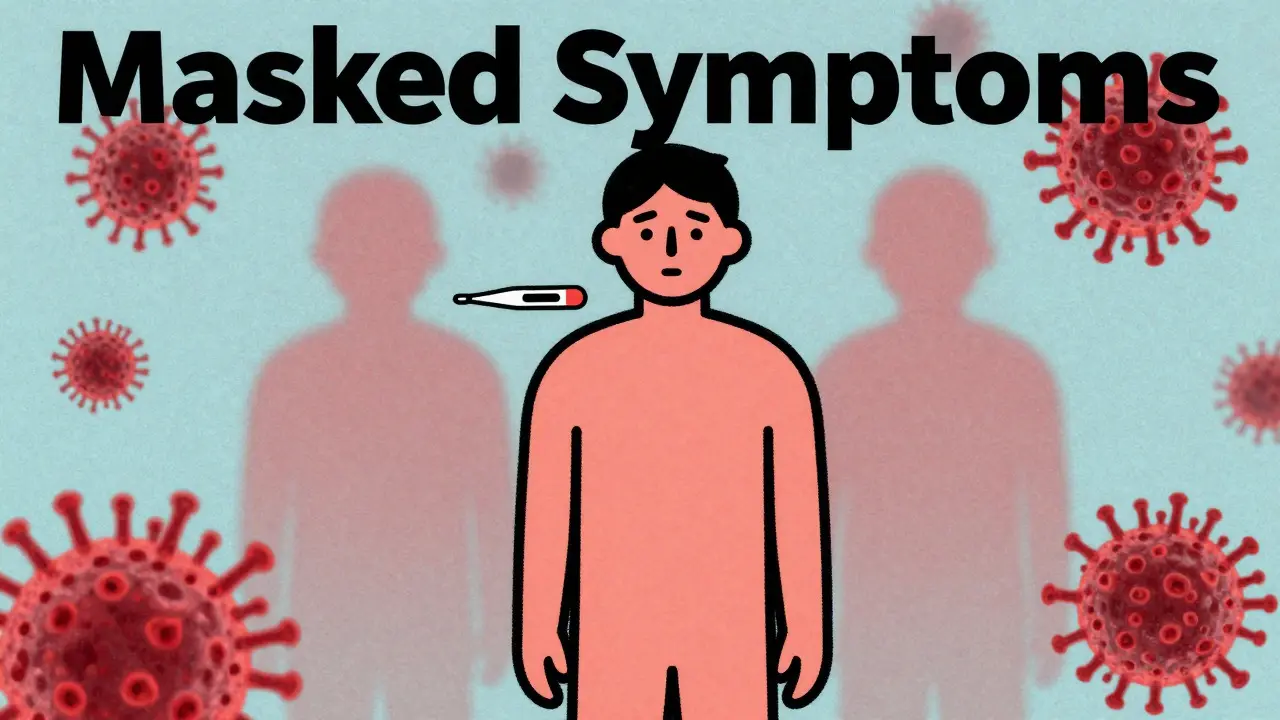
A crucial point to remember is that steroids mask the classic signs of infection. Fever, redness, and swelling are inflammatory responses. Since steroids block inflammation, you might have a severe infection without ever running a fever. Dr. Robert Simon of Johns Hopkins emphasizes that fever may be absent in 40% of serious infections occurring during high-dose steroid therapy. This "silent" presentation means you cannot rely on feeling sick to detect problems.
Prevention Strategies: Prophylaxis and Screening
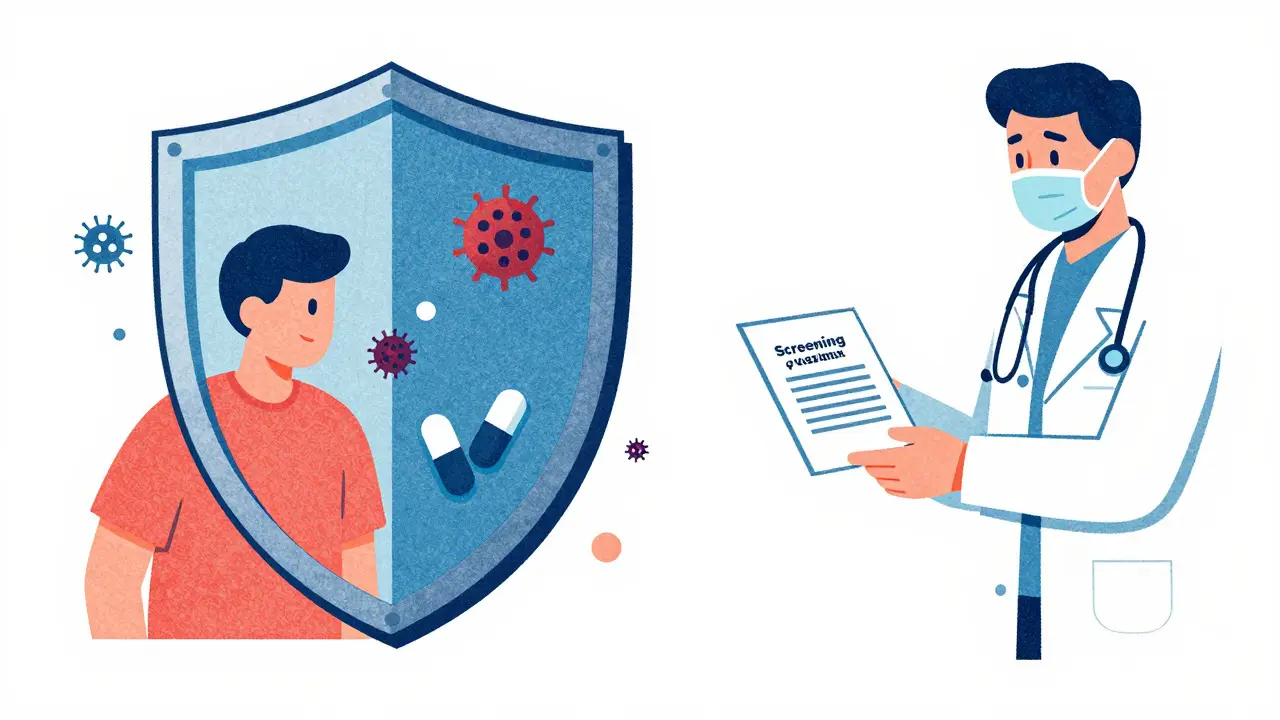
Because the risks are well-documented, established guidelines exist to mitigate them. Prevention is not optional; it is standard of care for anyone on significant steroid therapy.
PJP Prophylaxis
The Infectious Diseases Society of America (IDSA) recommends prophylactic antibiotics for patients receiving ≥20 mg/day of prednisone equivalent for more than 4 weeks. The drug of choice is trimethoprim-sulfamethoxazole (TMP-SMX). A meta-analysis in the New England Journal of Medicine showed that this simple intervention reduces PJP incidence from 5.1% to 0.3%. If you are allergic to sulfa drugs, alternatives like dapsone or atovaquone are available, though less effective.
Tuberculosis Screening
Before starting long-term steroid therapy at doses ≥15 mg/day, you must be screened for latent TB. This is done via an interferon-gamma release assay (IGRA) blood test or a tuberculin skin test. If positive, treatment for latent TB (usually with isoniazid or rifampin) reduces the risk of reactivation by 90%, according to WHO data. Skipping this step is one of the most common errors in clinical practice.
Vaccination Protocols
Your vaccination strategy changes when you are immunosuppressed. Live vaccines (such as MMR, varicella, or nasal flu vaccine) are contraindicated because the weakened virus could replicate unchecked in your body. Instead, focus on inactivated vaccines. The CDC recommends completing all age-appropriate inactivated vaccines-including pneumococcal, influenza, and SARS-CoV-2-at least 2 weeks before initiating corticosteroid therapy.
However, timing is tricky. A 2023 study in JAMA Internal Medicine found that patients already on >20 mg/day of prednisone had only a 42% antibody response to the influenza vaccine, compared to 78% in controls. This means vaccines given *during* high-dose therapy may not work well. The goal is to vaccinate *before* you start the steroids, or during a low-dose taper window if possible.
Monitoring and Patient Education
Even with prophylaxis, vigilance is required. Clinical monitoring should include complete blood counts every 2-4 weeks during high-dose therapy. An absolute lymphocyte count below 1000 cells/μL indicates significant immunosuppression. For patients in TB-endemic areas taking >15 mg/day for over three months, monthly chest X-rays may be necessary.
Patient education plays a massive role in outcomes. A 2022 multicenter study reported by the Arthritis Foundation found that patients who received structured education about infection symptoms had 28% fewer hospitalizations. What does this education involve? It means knowing the subtle signs: unexplained fatigue, mild cough that persists, unusual skin rashes, or digestive issues. Because fever is often absent, any persistent new symptom warrants a call to your doctor.
Despite these guidelines, gaps in care persist. Data from the FORWARD registry shows that only 52% of patients prescribed long-term corticosteroids receive appropriate infection prophylaxis. This statistic underscores the need for patients to advocate for themselves. Ask your rheumatologist or specialist: "Am I at risk for PJP? Do I need TMP-SMX? Have we screened for TB?"
The Future: Steroid-Sparing Agents and Precision Medicine
The medical community recognizes that corticosteroids are a double-edged sword. The single most effective infection prevention strategy, according to Dr. Mary Crow of the Hospital for Special Surgery, is using the lowest possible dose for the shortest duration. This has led to a shift toward "steroid-sparing" agents.
For autoimmune conditions like rheumatoid arthritis or lupus, the European League Against Rheumatism (EULAR) recommends introducing disease-modifying antirheumatic drugs (DMARDs) like methotrexate or biologics within 4 weeks of starting steroids. These drugs control the underlying disease, allowing you to taper off the steroids quickly. Real-world anecdotes support this: many patients report switching to methotrexate after a few months of prednisone, resulting in better long-term stability without the infection risks associated with chronic steroid use.
Research is also exploring next-generation steroids. Selective glucocorticoid receptor modulators (SEGRMs) aim to separate the anti-inflammatory benefits from the immunosuppressive side effects. Phase II trials of vamorolone, a dissociative steroid, showed comparable efficacy to prednisone in Duchenne muscular dystrophy but with 47% fewer infections. While these drugs are not yet widely available, they represent the future of targeted therapy.
Within the next five years, experts predict the use of genomic biomarkers to predict individual susceptibility to steroid-induced immunosuppression. This precision medicine approach will allow doctors to tailor prophylaxis based on your unique biology, rather than applying a one-size-fits-all protocol.
At what dose of prednisone do you need PJP prophylaxis?
Current guidelines recommend prophylaxis with trimethoprim-sulfamethoxazole (TMP-SMX) for patients receiving ≥20 mg/day of prednisone equivalent for more than 4 weeks. This threshold is based on data showing a significant spike in Pneumocystis jirovecii pneumonia risk above this dosage and duration.
Can you get shingles from taking steroids?
Yes. Steroids suppress T-cell function, which normally keeps the varicella-zoster virus dormant. The incidence of herpes zoster (shingles) increases significantly in steroid users, ranging from 2.8 to 6.5 cases per 100 person-years, compared to 1.2-2.0 in the general population. Vaccination before starting steroids is recommended.
Do steroids mask fever in infections?
Yes. Fever is an inflammatory response, and corticosteroids are potent anti-inflammatories. Studies indicate that fever may be absent in up to 40% of serious infections occurring during high-dose steroid therapy. This means patients should watch for other signs like fatigue, cough, or confusion, rather than relying solely on temperature.
Should I get the flu shot while on steroids?
You can get the inactivated flu shot, but its effectiveness may be reduced if you are on high doses (>20 mg/day prednisone). Ideally, you should receive the vaccine at least 2 weeks before starting steroid therapy. Live attenuated flu vaccines (nasal spray) are generally contraindicated during significant immunosuppression.
What is the best way to reduce infection risk on long-term steroids?
The most effective strategy is dose minimization. Work with your doctor to introduce steroid-sparing agents (like methotrexate or biologics) early in treatment to allow for rapid tapering. Additionally, ensure you are on appropriate prophylaxis (like TMP-SMX for PJP) and have been screened for latent tuberculosis.