| Myth | Fact |
|---|---|
| Over-the-counter medications are completely safe | Acetaminophen overdose causes 56,000 ER visits yearly. FDA recommends max 3,000mg daily. |
| Taking more pills works better | Ibuprofen over 1,200mg/day increases gastrointestinal bleeding risk by 4.5x. |
| Stop taking medication once you feel better | 30% of antibiotic courses are stopped early, causing antibiotic-resistant infections. |
| Natural or herbal products are always safe | St. John's Wort reduces oral contraceptive effectiveness by 15-33%. |
| Mixing alcohol with prescription meds is safe | Opioids + alcohol increase respiratory depression risk by 800%. |
Myth: Over-the-counter medications are completely safe
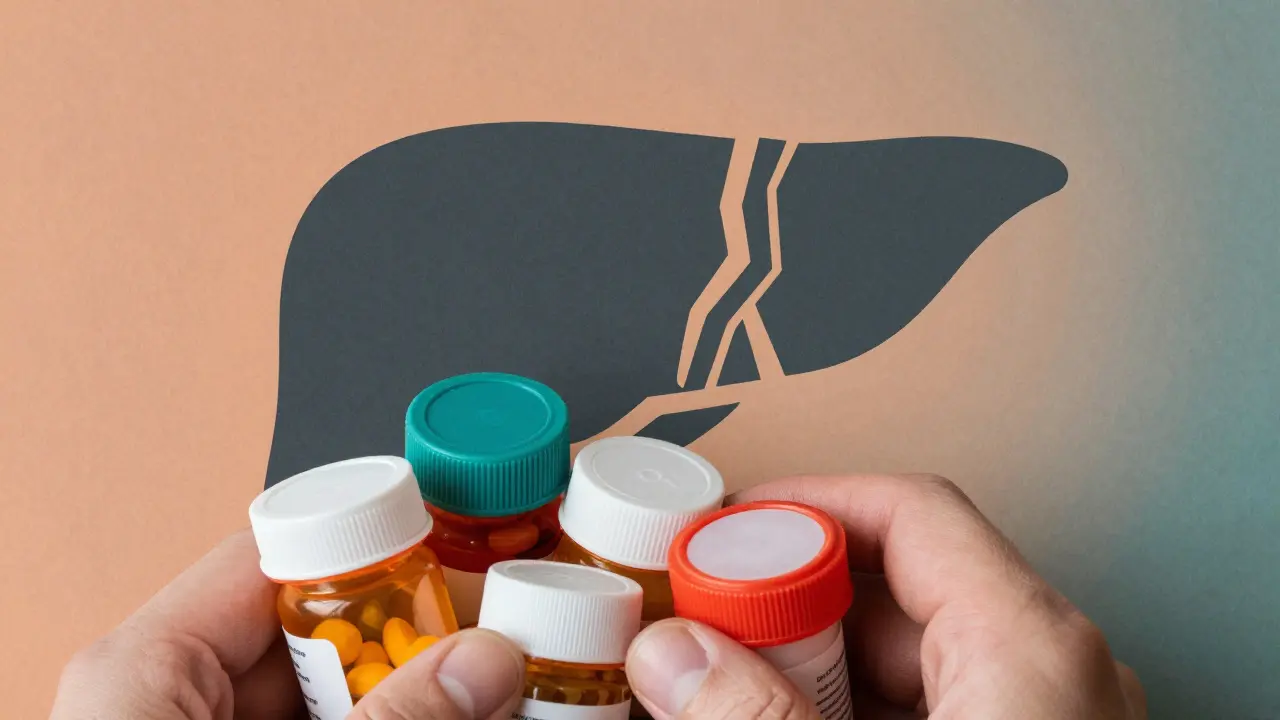
Many people assume OTC drugs like pain relievers or cold medicines are harmless because they don't require a prescription. This is dangerously wrong. Acetaminophen-found in Tylenol and many cold medicines-is a leading cause of liver damage. The FDA updated its daily limit to 3,000mg in 2011 after realizing many people unknowingly exceed it by taking multiple products containing acetaminophen. Each year, 56,000 ER visits happen due to acetaminophen overdose. Just 8 extra-strength tablets (4 grams) can cause severe liver injury. Always check labels for "acetaminophen" and never combine products with it.
Myth: If one pill works well, taking more will work better
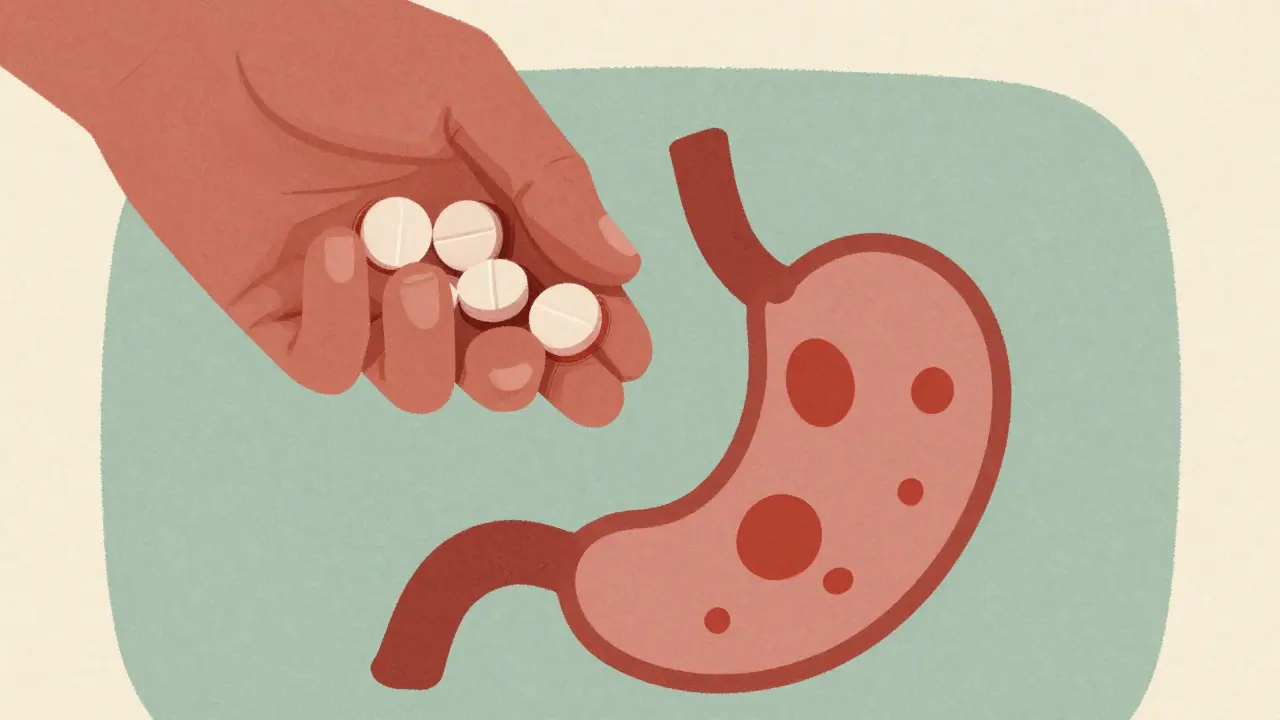
More isn't always better with medications. Ibuprofen (Advil, Motrin) is commonly misused this way. A 2017 JAMA Internal Medicine study found that taking more than 1,200mg of ibuprofen in 24 hours increases stomach bleeding risk by 4.5 times. For aspirin, exceeding 325mg daily for pain relief can cause internal bleeding. Even common allergy pills like diphenhydramine (Benadryl) become dangerous at high doses, causing confusion or heart problems in older adults. Stick to the label instructions-pharmacists don't recommend extra doses for "stronger" effects.
Myth: You can stop taking medication once you feel better
This myth is especially dangerous with antibiotics. When you feel better after a few days of antibiotics, it's tempting to stop. But the CDC reports that 30% of antibiotic courses are stopped early, fueling antibiotic-resistant bacteria. These superbugs cause 35,000 deaths annually in the U.S. alone. For example, stopping penicillin early for strep throat can make the infection return stronger. Similarly, stopping blood pressure or diabetes meds when symptoms improve leads to uncontrolled conditions. Always finish the full course unless your doctor says otherwise.
Myth: Natural or herbal products are always safe
"Natural" doesn't mean safe. St. John's Wort, a popular herbal supplement for mood, reduces the effectiveness of birth control pills by 15-33% according to University of Washington research. This can lead to unintended pregnancies. Ginkgo biloba, often used for memory, increases bleeding risk by 50% when combined with blood thinners like warfarin. Even common herbs like garlic or ginger can interact with medications. A 2022 FDA report found 1,500+ adverse events linked to herbal supplements in one year. Always tell your pharmacist about all supplements you take.
Myth: Mixing alcohol with prescription medications is safe if consumed responsibly
Alcohol and medications are a deadly mix. Opioids like oxycodone or hydrocodone become far more dangerous with alcohol. A 2020 study in Addiction Biology found combining them increases respiratory depression risk by 800%, which can stop breathing. Even common medications like antidepressants or sleep aids become risky with alcohol. Benzodiazepines (Xanax, Valium) paired with alcohol cause severe drowsiness and memory loss. The CDC warns that alcohol interacts with over 100 medications. If your prescription label says "avoid alcohol," it's not a suggestion-it's a life-saving rule.
Practical steps for safer medication use
Knowing the facts is just the start. Here’s how to stay safe:
- Brown bag review: Bring all your medications (prescription, OTC, supplements) to doctor visits. A 2021 study found this reduces medication errors by 63% by catching duplicates or dangerous combinations.
- Teach-Back Method: After a new prescription, explain the instructions back to your pharmacist in your own words. A 2020 study showed this increases understanding from 42% to 89%.
- Medication synchronization: Ask your pharmacy to align all refills to one weekly date. ExactCare Pharmacy’s 2022 report showed this improves adherence from 52% to 81% for chronic conditions like diabetes.
- Use one pharmacy: Having all prescriptions at one pharmacy lets pharmacists spot dangerous interactions. The National Community Pharmacists Association says this prevents 195 million medication problems yearly.
How technology helps with medication safety
New tools make medication safety easier:
- AI apps like Medisafe send pill reminders and flag interactions. They’ve reduced dosing errors by 37% for 2.1 million users.
- Amazon Pharmacy’s "Ask a Pharmacist" feature answers 1.2 million medication questions yearly with 94% satisfaction.
- The FDA’s 2024 OTC labeling updates require clearer overdose warnings on acetaminophen products, expected to prevent 5,000-10,000 liver injuries annually.
Can I use the same painkiller for different aches?
Not always. For example, acetaminophen is safe for headaches but shouldn’t be used for inflammation like a sprained ankle. Ibuprofen works better for inflammation but can irritate your stomach. Always check the label or ask a pharmacist-different pains need different treatments.
Are generic drugs as effective as brand names?
Yes. The FDA requires generics to have identical active ingredients and be 80-125% bioequivalent to brand-name drugs. A 2023 American Pharmacists Association study found no difference in effectiveness for 90% of generic medications. The only exceptions are narrow-therapeutic-index drugs like warfarin, where close monitoring is needed.
What should I do if I miss a dose?
It depends on the medication. For most antibiotics, take the missed dose as soon as you remember. For blood pressure meds, skip it if it’s close to the next dose. For insulin or diabetes drugs, contact your pharmacist immediately. Never double up unless instructed-this is a top cause of ER visits for medication errors.
Can I share my prescription with someone else?
Never. A prescription is tailored to your specific health needs and medical history. Sharing medications can cause serious harm. For example, giving someone else your ADHD medication could trigger heart problems, and sharing antibiotics might not treat their infection properly. It’s also illegal in most places.
How do I know if a medication interaction is serious?
If you experience unusual symptoms like severe dizziness, chest pain, trouble breathing, or unexplained bruising after starting a new medication or supplement, seek medical help immediately. Pharmacists use real-time interaction checkers to flag high-risk combinations. Always ask your pharmacist about potential interactions when picking up prescriptions.

Matthew Morales
February 5, 2026 AT 13:48Hey this is really helpful 😊 but i think there's a typo in the table. 'acetaminophene' should be spelled right. Also, maybe add more about the liver damage part.
Carl Crista
February 6, 2026 AT 17:10This is all government propaganda the real reason for ER visits is to control us read more online they don't want you to know the truth
jan civil
February 7, 2026 AT 23:15Antibiotic resistance is serious. Always complete the full course.
Nancy Maneely
February 9, 2026 AT 18:40OMG this is so important but why isn't the gov doing more? We need to fight this! Stupid regulations. Always somethin wrong with meds. 😡
Lana Younis
February 10, 2026 AT 11:53Hey everyone, I've been a pharmacist for over 15 years and I can't stress enough how crucial it is to understand medication safety.
Many people think OTC drugs are harmless, but that's a dangerous myth.
Acetaminophen is a common culprit for liver damage, especially when combined with other meds.
I've seen patients who didn't realize they were taking multiple products with acetaminophen, leading to serious issues.
It's vital to read labels carefully and check for hidden ingredients.
Also, stopping antibiotics early is a huge problem.
Antibiotic resistance is a real threat, and completing the full course is essential.
I've had patients who stopped taking their meds once they felt better, only to have the infection return stronger.
This is why education is so important.
We need to make sure people know these facts.
The FDA's guidelines are there for a reason.
Natural supplements can interact with prescription meds too.
St. John's Wort is a classic example.
It's not just about the pills you take but also the supplements.
Always talk to your pharmacist before starting any new supplement.
They can help you avoid dangerous interactions.
Medication safety is a team effort between you and your healthcare provider.
Don't hesitate to ask questions.
It's better to be safe than sorry.
Small changes in how you manage your meds can prevent big problems down the road.
Rene Krikhaar
February 12, 2026 AT 05:51It's really important to check all meds with your pharmacist many people don't realize how dangerous mixing alcohol and meds can be always ask questions this info is gold
Diana Phe
February 13, 2026 AT 11:05This is just another way to control the population. They want us to be dependent on meds. The real problem is the pharmaceutical industry. They're all in cahoots.
Andre Shaw
February 13, 2026 AT 23:39Actually, the facts here are totally wrong. The real issue is that people don't read the labels. I've been taking meds for years and never had a problem. This article is full of lies. The FDA is in bed with Big Pharma.
Arjun Paul
February 15, 2026 AT 11:45This is basic knowledge. People in US should know this. But they don't. Always read the label. Simple as that. No need for articles like this.
divya shetty
February 15, 2026 AT 19:48Y'all need to stop being careless. This stuff is basic. If you don't take meds right, it's your fault. The system's fine.
Samantha Beye
February 17, 2026 AT 09:16Always check with a professional.
Dr. Sara Harowitz
February 18, 2026 AT 19:19This is critical information that should be mandatory! People are dying because they don't listen! We need stricter regulations! The FDA isn't doing enough! Always read the label properly!!!
Georgeana Chantie
February 20, 2026 AT 14:14This is all fake news. The real danger is from the government. They're trying to scare us into taking more meds. 😒