When you pick up a generic pill, you might think you're getting the exact same medicine as the brand name version. After all, the active ingredient is the same. But what you're not seeing-what the label doesn't tell you-are the excipients. These are the inactive ingredients that hold the pill together, help it dissolve, mask the taste, or keep it from going bad. And for some people, these seemingly harmless additives can cause real, uncomfortable, even dangerous reactions.
What excipients really are (and why they're not so "inactive")
Excipients are defined by the U.S. Food and Drug Administration (FDA) as ingredients that don't treat your condition, but are still intentionally added to the medicine. Think of them like the scaffolding and paint on a house. The house (the active drug) does the work, but without the structure and finish, it wouldn't be usable. Common excipients include:- Lactose - used as a filler in 40-60% of oral tablets
- Magnesium stearate - a lubricant that prevents sticking during manufacturing
- Croscarmellose sodium - a disintegrant that helps the tablet break apart in your stomach
- FD&C dyes - like Blue #2 or Yellow #5, added for color
- Parabens - preservatives that prevent mold and bacteria
- Polyethylene glycol - a solvent or binder, also found in laxatives
Why generics can feel different-even when they're "the same"
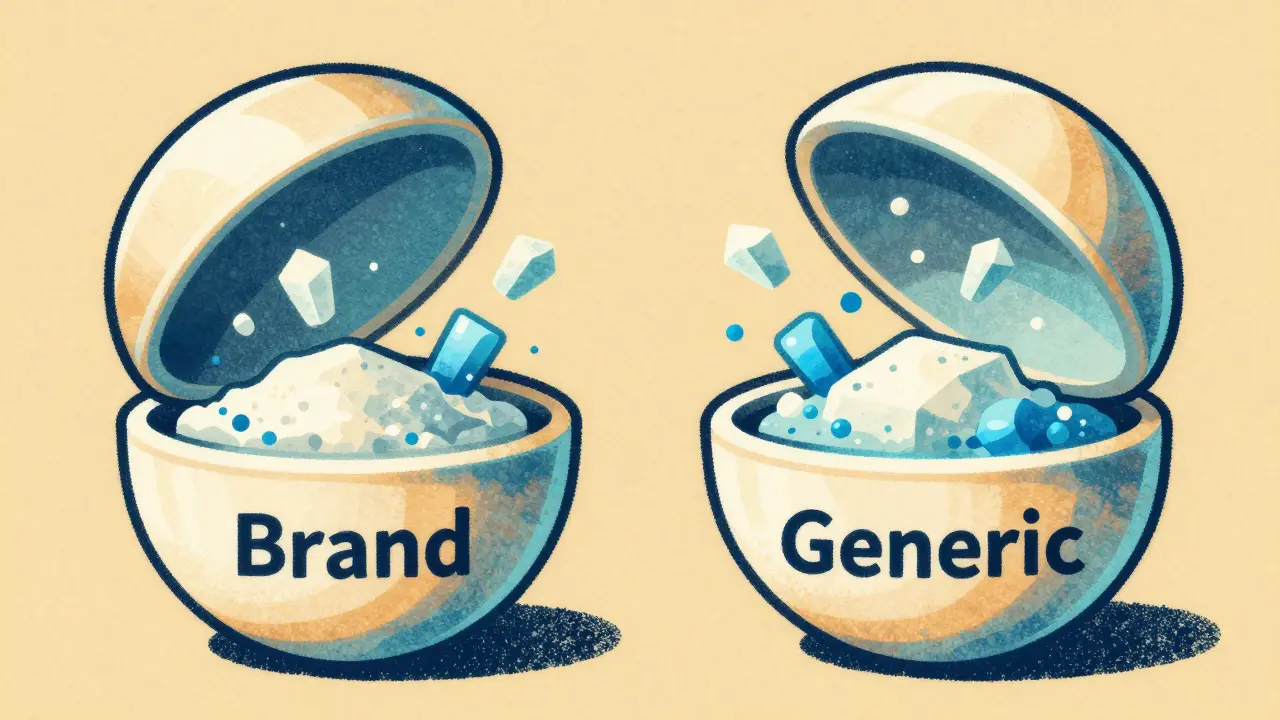
Generic drugs must prove they deliver the same amount of active ingredient into your bloodstream as the brand version. That’s called bioequivalence, and it’s measured within an 80-125% range. But here’s the catch: they don’t have to match the excipients. That means two pills with the same name, same dose, same active ingredient, can have completely different fillers, colors, or preservatives. A patient switching from brand Synthroid to a generic version might suddenly develop bloating, diarrhea, or hives-not because the thyroid hormone changed, but because the new version contains FD&C Blue #2, which they’re sensitive to. A 2021 study in the Journal of Generic Medicines found that 73.5% of pharmacists had patients report symptoms they believed were linked to excipient differences. These aren’t rare complaints. In fact, a 2022 survey by the National Community Pharmacists Association showed that 68.3% of independent pharmacists had patients report adverse reactions after switching between generic versions.The hidden triggers: who’s most at risk?
Not everyone reacts. But certain groups are far more vulnerable:- Lactose-intolerant people - Even small amounts (as little as 1-2 grams) in a single tablet can trigger bloating, gas, or diarrhea. A typical levothyroxine tablet may contain 100-200 mg of lactose. Multiply that by daily use, and you’re consuming 3-7 grams per week. For someone with severe intolerance, that’s enough.
- People with allergies to dyes - Yellow #5 (tartrazine) and Blue #2 have been linked to hives, asthma, and hyperactivity in sensitive individuals. One Reddit user reported severe stomach cramps after switching to a generic version of a blood pressure pill-only to find out it contained Blue #2, which they’d avoided for years.
- Those with sulfite or paraben sensitivity - These preservatives are common in liquid and injectable generics. Reactions can range from skin rashes to anaphylaxis in rare cases.
- Children and elderly patients - Their bodies process excipients differently. Kids are more sensitive to artificial colors. Older adults may have reduced liver or kidney function, making it harder to clear certain additives.
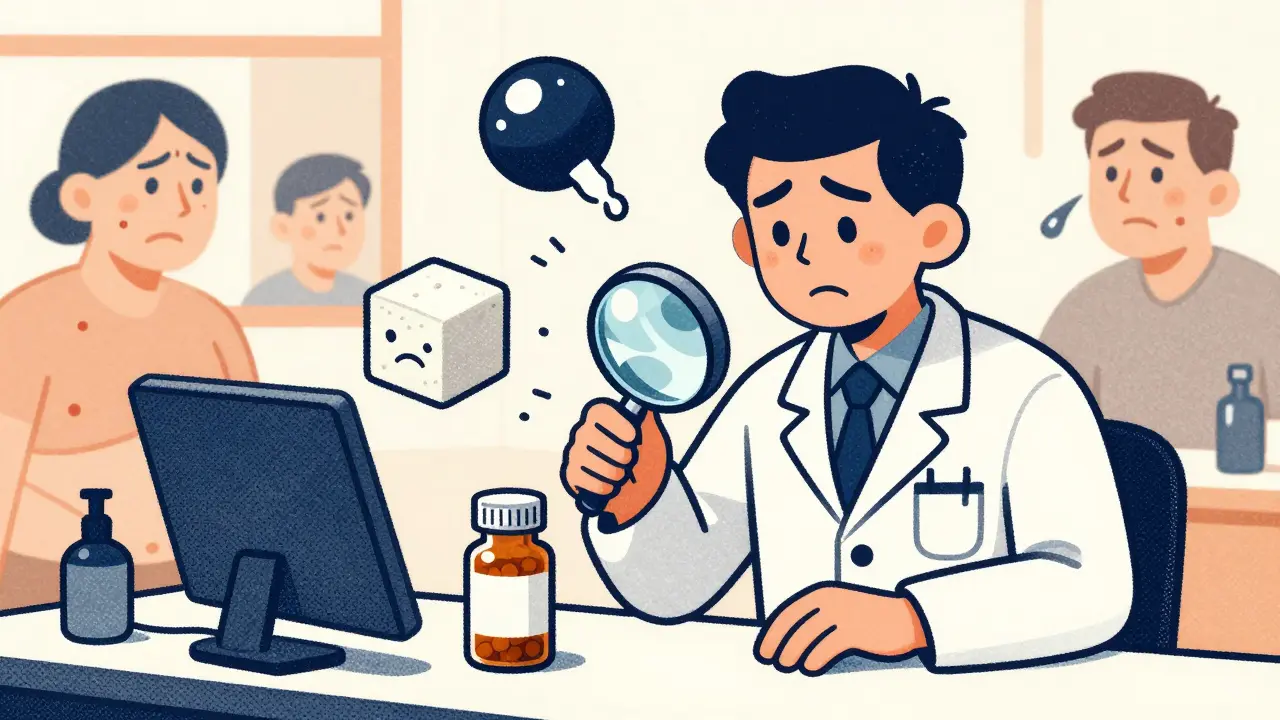
Why your pharmacist might not know
Most prescriptions don’t list excipients. Brand-name drugs often include full ingredient lists on packaging. Generics? Not always. Many manufacturers only provide ingredient details upon request. That means when you ask your pharmacist, “Is this the same as my last pill?” they might say yes-because the active ingredient matches. But they might not know about the dye, the preservative, or the filler change. Pharmacists spend an average of 7.2 minutes per patient just looking up excipient details. That’s not time they have during a busy shift. Resources like the FDA’s Inactive Ingredient Database (IID) and the Pillbox database from the National Library of Medicine exist-but they’re not always easy to navigate.What to do if you suspect an excipient reaction
If you notice new symptoms after switching to a generic-or even switching between generic brands-you’re not imagining it. Here’s what to do:- Track your symptoms - Note when they started, how long they last, and whether they happen every time you take the pill.
- Check the pill’s ingredients - Look on the manufacturer’s website. Search the pill’s name + “inactive ingredients.” Many manufacturers now list them online.
- Ask your pharmacist for the manufacturer’s name - Once you know who made it, you can contact them directly for a full ingredient list.
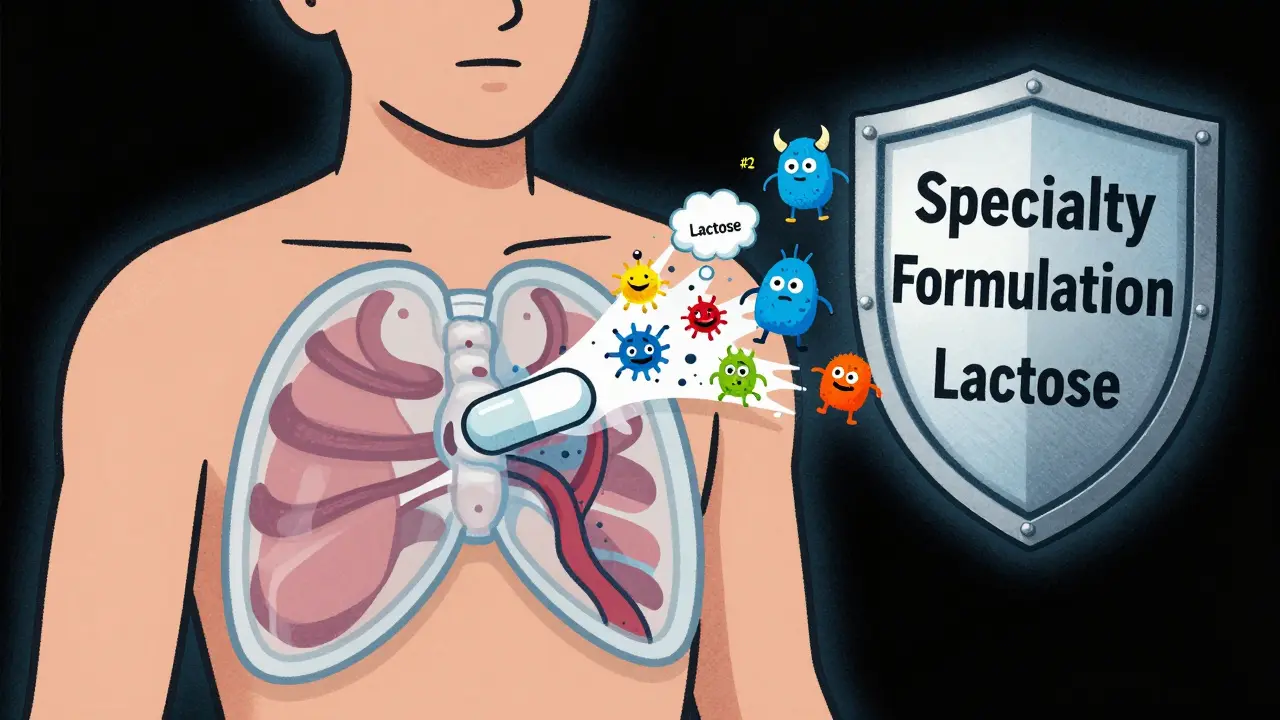
- Request a different formulation - Some generics come in dye-free, lactose-free, or gluten-free versions. These are often labeled as “specialty” or “sensitive” formulations.
- Ask your doctor about alternatives - Sometimes, switching to a different drug class (e.g., a different blood pressure medication) avoids the problem entirely.
The bigger picture: why this is changing
The pharmaceutical industry is starting to wake up. The global market for specialty excipients-lactose-free, dye-free, gluten-free-hit $18.7 billion in 2022 and is growing at nearly 7% a year. Major drugmakers now maintain internal databases tracking which excipients cause problems for which patient groups. The FDA launched its Excipient Safety Modernization Initiative in 2023 to incorporate patient-reported data into its official database. MIT developed an AI tool in 2022 that predicts individual excipient tolerance based on genetic markers. And by 2025, the FDA plans to require full excipient disclosure in electronic prescribing systems. In Europe, the Pharmacopoeia is adding 17 new safety thresholds for excipients in 2024. This isn’t just a U.S. issue-it’s a global shift toward recognizing that "inactive" doesn’t mean "innocent."Bottom line: your medicine isn’t just the active ingredient
Generics save money. That’s important. But they’re not all the same underneath the surface. For people with sensitivities, a 10-cent difference in pill cost isn’t worth a day of stomach pain, a rash, or a trip to the ER. If you’ve had unexplained side effects after switching medications, don’t assume it’s "just in your head." Talk to your pharmacist. Check the ingredients. Ask for alternatives. Your body is telling you something.It’s not about avoiding generics. It’s about choosing the right one for you.
Are excipients the same in all generic versions of the same drug?
No. While the active ingredient must be identical, the excipients-like fillers, dyes, and preservatives-can vary between manufacturers. Two generics with the same name and dose can have completely different inactive ingredients, which may affect tolerance in sensitive individuals.
Can excipients cause allergic reactions?
Yes. While rare, excipients like FD&C dyes (Yellow #5, Blue #2), lactose, parabens, and sulfites have been documented to trigger allergic reactions, including hives, asthma, gastrointestinal distress, and in extreme cases, anaphylaxis. A 2019 study found that over 90% of oral medications contain at least one ingredient linked to adverse reactions in sensitive people.
How do I find out what excipients are in my generic drug?
Check the manufacturer’s website, the drug’s packaging, or use the FDA’s Inactive Ingredient Database (IID) or the Pillbox database from the National Library of Medicine. If you can’t find it, ask your pharmacist for the manufacturer’s name and contact them directly. Brand-name drugs usually list ingredients on the box; generics often require extra effort to track down.
Is there a way to avoid lactose in generics?
Yes. Many manufacturers now offer lactose-free versions of common drugs like levothyroxine, metformin, and sertraline. Look for labels that say "lactose-free," "sugar-free," or "specialty formulation." These are often slightly more expensive but may be necessary for those with severe intolerance. Your pharmacist can help identify them.
Why don’t doctors always know about excipient issues?
Most medical training focuses on active ingredients and therapeutic effects, not excipients. Many doctors assume generics are interchangeable without considering formulation differences. But awareness is growing. Pharmacists are often the first to notice patient complaints and are increasingly trained to investigate excipient-related reactions.