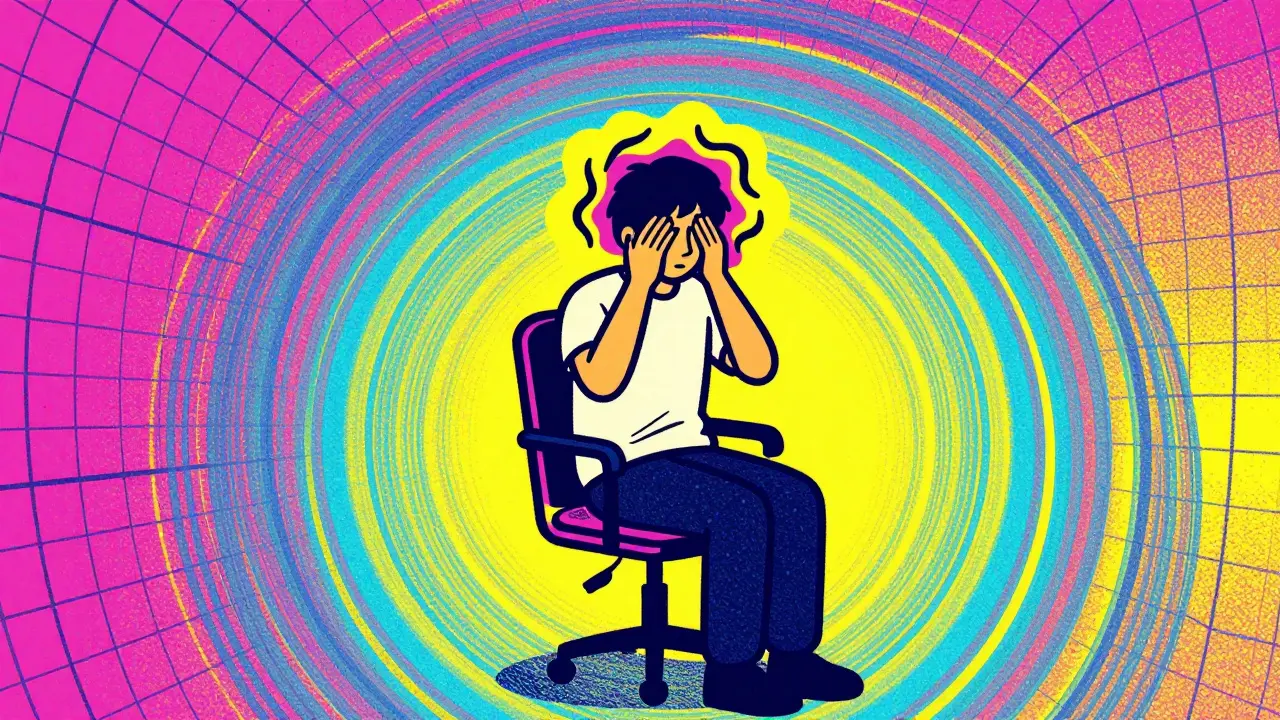
Imagine spinning in your chair while staring at a blank wall. The room tilts. Your stomach drops. Then, the throbbing pain hits behind your eyes. This isn't just a bad day; it is likely vestibular migraine, a neurological condition that blends the disorientation of inner ear problems with the intensity of migraines.
You are not alone in this confusion. Vestibular migraine affects roughly 1% of the general population, yet it remains one of the most misdiagnosed causes of spontaneous vertigo. In fact, it accounts for 7-10% of referrals to specialized dizziness clinics. Women are hit three times harder than men. If you have been bouncing between an ENT specialist and a neurologist without answers, this guide breaks down exactly what is happening in your brain and how to take control.
What Is Vestibular Migraine?
Vestibular migraine is a subtype of migraine where dizziness or vertigo takes center stage. Unlike typical migraines where headache is the main event, here the balance system fails first-or alongside the pain. The International Headache Society formally recognized this as a distinct disorder in 2013. Before that, many patients were told their dizziness was 'all in their head' or misdiagnosed with Ménière's disease or benign paroxysmal positional vertigo (BPPV).
The core issue lies in abnormal cortical excitability. Essentially, your brain’s wiring becomes hypersensitive. Signals from your inner ear, eyes, and joints get mixed up. When the trigeminovascular system activates-the same pathway responsible for migraine pain-it also disrupts the vestibular nuclei in your brainstem. This creates a perfect storm of imbalance, nausea, and light sensitivity.
To be diagnosed, you generally need:
- At least five episodes of moderate-to-severe vestibular symptoms lasting between 5 minutes and 72 hours.
- A history of migraine (current or past).
- Temporal association between the dizziness and migraine features like photophobia (light sensitivity), phonophobia (sound sensitivity), or visual aura.
There is no blood test or MRI scan that confirms vestibular migraine. Diagnosis relies on clinical criteria and ruling out other conditions. This lack of a specific biomarker often leads to diagnostic delays averaging over a year for many patients.
Identifying Triggers: The Detective Work
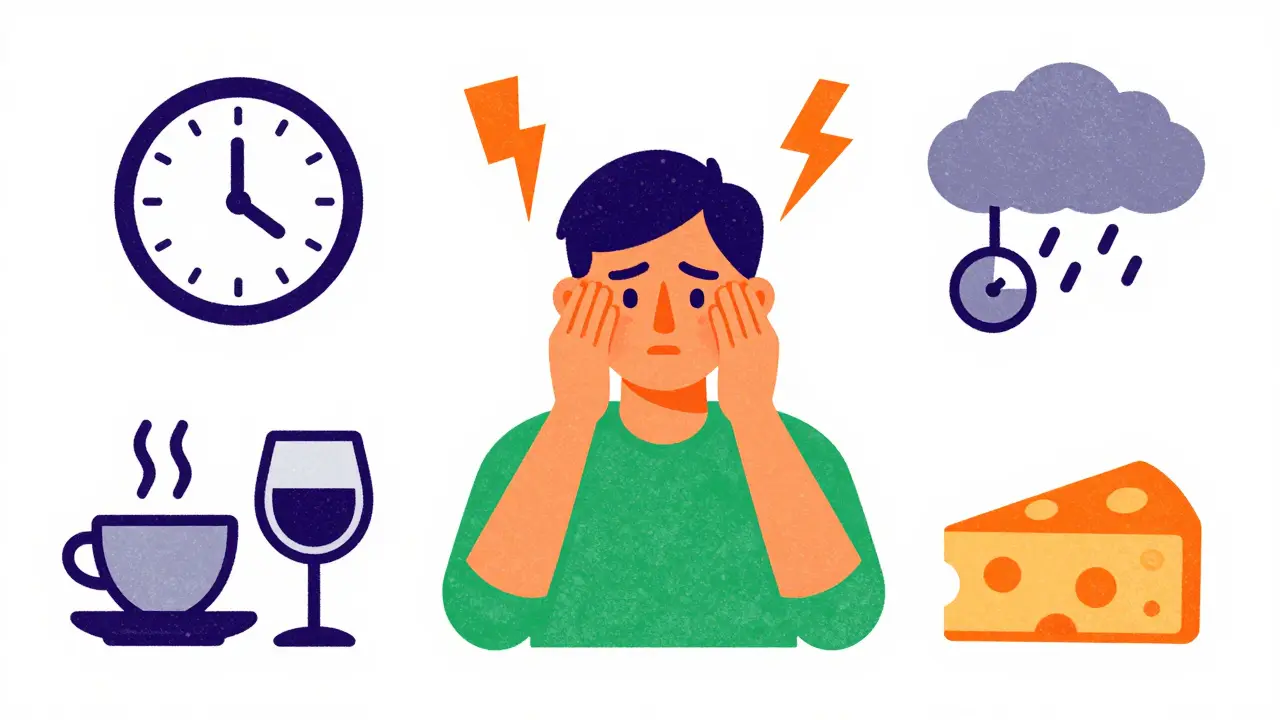
Managing vestibular migraine starts with knowing what sets it off. Triggers vary wildly from person to person, but patterns emerge when you track them. Keeping a symptom diary for 6-8 weeks is crucial. Note not just when the attack happens, but what you ate, slept, or experienced in the 24 hours prior.
Common triggers include:
- Stress: Identified by 82% of patients as a primary trigger.
- Sleep disruption: Irregular sleep schedules affect 76% of sufferers.
- Weather changes: Barometric pressure shifts bother 68% of patients.
- Dietary factors: Caffeine (54%), alcohol (49%), and aged cheeses containing tyramine (38%) are frequent culprits.
Caffeine is a double-edged sword. While withdrawal can trigger attacks, consistent cessation reduced attack frequency by 35% in one study. If you drink coffee daily, do not quit cold turkey. Taper off slowly to avoid triggering a rebound headache.
Acute Management: Stopping the Spin
When an attack strikes, your goal is comfort and stabilization. Treatment differs depending on whether the headache or the vertigo is worse.
For Headache Pain: Triptans like sumatriptan are the gold standard. A 50-100 mg oral dose provides significant pain relief for about 58% of patients within two hours. Nonsteroidal anti-inflammatory drugs (NSAIDs) like ibuprofen or naproxen help milder cases, offering relief in nearly half of users.
For Vertigo and Nausea: If the spinning is unbearable, vestibular suppressants may be necessary short-term. Prochlorperazine has shown high efficacy in resolving vertigo quickly. Antiemetics like ondansetron effectively manage the nausea that often accompanies the dizziness, helping 75% of patients keep food and water down.
Non-Drug Strategies: Create a sensory-deprivation environment. Lie down in a dark, quiet room. Hydrate aggressively-aim for 2 liters of water during an attack. Dehydration worsens both migraine and vestibular symptoms. Avoid looking at screens or moving your head suddenly.
Preventive Medications: Reducing Frequency
If you experience four or more attacks a month, acute treatment isn't enough. You need prophylaxis. The goal here is to reduce the frequency and severity of attacks so they don't dominate your life.
| Medication Class | Example Drugs | Efficacy Rate | Common Side Effects |
|---|---|---|---|
| Beta-Blockers | Propranolol, Metoprolol | ~62% see >50% reduction | Fatigue, cold hands/feet |
| Tricyclic Antidepressants | Amitriptyline | 40-60% efficacy | Drowsiness, dry mouth |
| Antiepileptics | Topiramate | 54% see >50% reduction | Cognitive slowing, tingling |
| Calcium Channel Blockers | Verapamil | Moderate efficacy | Constipation, swelling |
Propranolol is often the first line of defense. It works by stabilizing blood vessels and reducing neural excitability. Amitriptyline, though an antidepressant, calms nerve signals at low doses. Topiramate is powerful but can cause cognitive fog, which some patients find difficult to tolerate.
Newer options include CGRP inhibitors like atogepant. Approved recently for preventive use, these target the specific protein involved in migraine inflammation. Early data shows promising responder rates for vestibular symptoms, though long-term data is still emerging.
Vestibular Rehabilitation Therapy (VRT)
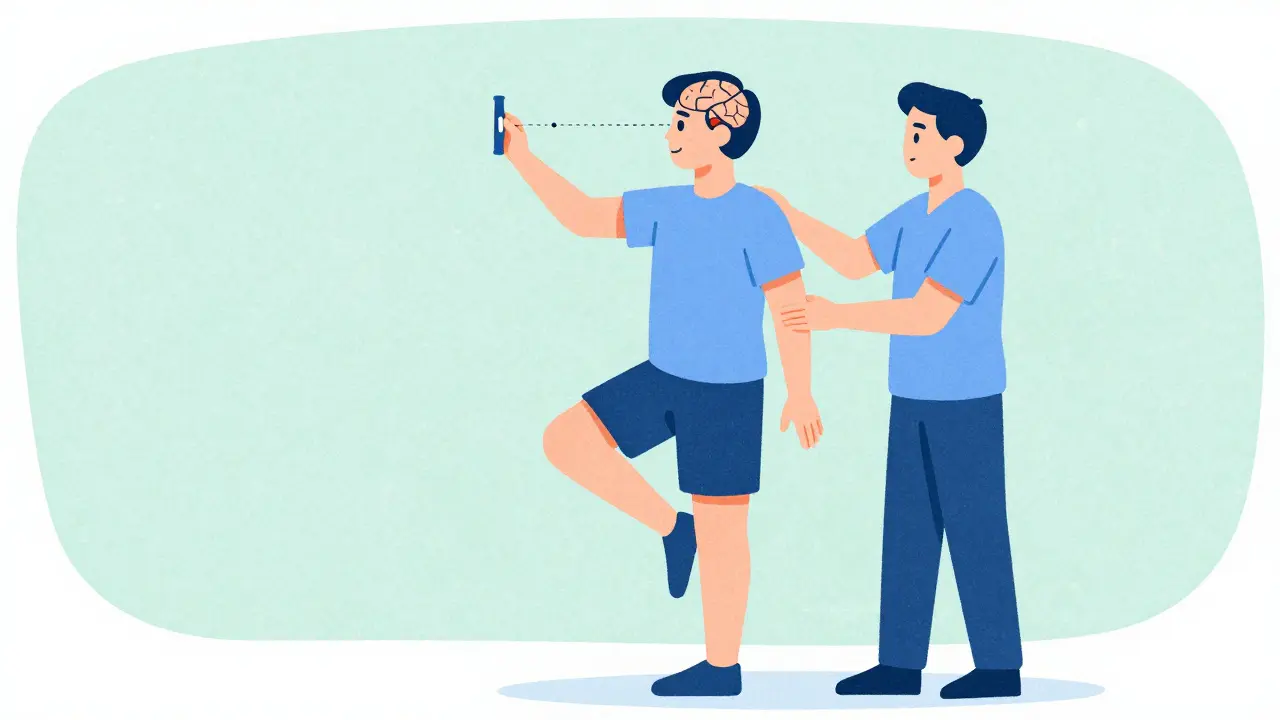
Medication treats the chemical imbalance, but VRT retrains the brain. Vestibular Rehabilitation Therapy is a specialized form of physical therapy designed to promote vestibular compensation. It teaches your brain to rely less on faulty inner ear signals and more on vision and proprioception (body position sense).
Studies show that after 8-12 supervised sessions followed by daily home exercises, patients see a 40-60% improvement in dizziness handicap scores. The European Academy of Neurology strongly recommends VRT based on Level A evidence. It is not a cure, but it is a critical tool for regaining confidence in movement.
Exercises might include gaze stabilization drills, where you focus on a target while moving your head side-to-side. It feels uncomfortable at first-inducing mild dizziness-but this habituation process is what rewires the brain. Consistency is key. Skipping days slows progress significantly.
Nutritional Supplements: Natural Support
Some patients prefer or benefit from adding nutraceuticals to their regimen. The CHARM study found that magnesium, riboflavin (Vitamin B2), and coenzyme Q10 could reduce attack frequency by 30-40% with minimal side effects.
- Magnesium: 600 mg daily helps relax blood vessels and nerves.
- Riboflavin: 400 mg daily supports mitochondrial energy production in brain cells.
- Coenzyme Q10: 300 mg daily aids cellular energy metabolism.
Be cautious with butterbur root extract. While earlier trials showed promise, safety concerns regarding liver toxicity led to warnings from regulatory bodies. Stick to standardized, purified supplements and discuss them with your doctor to avoid interactions with prescription meds.
Living With Vestibular Migraine
Diagnosis is only the beginning. The journey involves trial and error. About 75% of patients need to try 2-3 different medication combinations before finding what works. Do not get discouraged if the first pill doesn't fix everything. Patience and partnership with a specialist are vital.
Coordinate care between your neurologist and ENT. Misdiagnosis is common-40% of VM patients are initially treated for BPPV, which requires completely different maneuvers. Ensure your provider understands the migraine connection. Early intervention prevents central sensitization, where the nervous system becomes chronically overactive.
Finally, prioritize sleep hygiene and stress management. These are not vague wellness tips; they are medical necessities for VM patients. Regular exercise, gentle yoga, and mindfulness practices can lower the baseline excitability of your nervous system, making you less prone to attacks.
How long does a vestibular migraine attack last?
Vestibular migraine symptoms can vary widely. Vertigo episodes typically last from 5 minutes to 72 hours. However, residual dizziness or imbalance may persist for days. The accompanying headache, if present, usually follows standard migraine duration patterns of 4-72 hours.
Can vestibular migraine cause permanent hearing loss?
No, vestibular migraine does not typically cause permanent hearing loss. Hearing loss is a hallmark of Ménière's disease, which is often confused with VM. However, some VM patients report temporary muffled hearing or tinnitus during an attack, which resolves after the episode ends.
Is vestibular rehabilitation safe for everyone?
VRT is generally safe and highly recommended. However, it should be tailored by a certified therapist. During an acute severe attack, aggressive exercises may worsen symptoms. Therapy is most effective during stable periods between attacks to build resilience.
Why am I dizzy without a headache?
Up to 50% of vestibular migraine attacks occur without any head pain. The condition affects the vestibular pathways independently of the pain pathways sometimes. If you have a history of migraines and recurrent unexplained vertigo, VM is a strong candidate even without the headache component.
Should I stop taking benzodiazepines for dizziness?
Long-term use of benzodiazepines (like diazepam) is generally discouraged for vestibular migraine. While they provide quick relief, they can prevent the brain from compensating for vestibular deficits, leading to chronic dizziness. Use them sparingly for acute crises and focus on preventive strategies and VRT instead.



Kevin Burke
July 16, 2026 AT 14:31The philosophical implication of a condition that dismantles one's perception of reality is profound. We exist in a state of assumed stability, yet vestibular migraine reveals the fragility of this construct. It is not merely a medical anomaly but an existential crisis wrapped in neurological misfiring. The body betrays the mind's expectation of equilibrium. This betrayal forces a reevaluation of what we consider 'normal' sensory input. Most people dismiss dizziness as trivial, lacking the depth to understand the disorientation. They judge from the shore while you drown in the spin. One must cultivate a detached observation of these symptoms to survive them intellectually. The pain is real, but the interpretation of it is where the suffering compounds. We are trapped in biological machines that occasionally glitch without warning.
neal vince
July 17, 2026 AT 05:13It is evident that the diagnostic criteria outlined here are insufficient for rigorous clinical application. The reliance on subjective reporting introduces significant variance in data integrity. Furthermore, the suggestion that barometric pressure affects 68% of patients lacks controlled longitudinal validation. Many practitioners fail to distinguish between true vestibular pathology and psychosomatic manifestations exacerbated by media coverage. The mention of CGRP inhibitors is premature given the limited long-term safety profiles available to the public. Patients often self-diagnose based on anecdotal evidence rather than undergoing comprehensive vestibular testing. This leads to inappropriate medication usage and subsequent adverse effects. The article oversimplifies the complex interplay between the trigeminovascular system and central sensitization. A more critical approach to trigger identification is necessary to avoid confirmation bias in symptom tracking.
Emily Schor
July 17, 2026 AT 07:10I appreciate the detailed breakdown of the CHARM study results regarding supplements. It is helpful to see specific dosages for magnesium and riboflavin rather than vague recommendations. I have been trying to manage my symptoms with lifestyle changes alone, but the frequency remains high. The section on vestibular rehabilitation therapy seems promising, though I am hesitant to start exercises without professional guidance. It would be useful to know if there are any online resources for certified therapists who offer remote sessions. The distinction between BPPV and vestibular migraine is crucial since I was initially treated for the former incorrectly. Thank you for clarifying that hearing loss is not typically associated with this condition. It alleviates some of my anxiety about permanent damage.
Arun Krishnan
July 17, 2026 AT 11:36Hey everyone, let us look at this together. You are not broken, just wired differently. The brain is amazing and can learn new ways to balance. VRT helps your brain trust your eyes more when your ears send wrong signals. Start small with gaze stabilization drills. Look at your thumb and move it side to side slowly. Do not push too hard or you will feel sick. Consistency is key, so do a little bit every day. Drink water and sleep well to help your nerves calm down. Stress makes everything worse, so take deep breaths when you feel tense. You can get better with time and patience. Keep going even if it feels hard at first.
Bobby Christiansen
July 18, 2026 AT 16:38Oh please, another article telling us to just drink water and go to bed like that fixes everything! :rolleyes: The medical community treats us like children who need to stop complaining. I have tried every supplement listed and they did nothing but make me bloated. Doctors prescribe beta-blockers that make me feel like a zombie and then wonder why I cannot function. It is selfish how society expects us to perform normally while our brains are literally spinning out of control. We deserve better than trial and error with dangerous drugs. The lack of empathy in healthcare is disgusting. Stop blaming our diet or stress when the root cause is neurological chaos. We are suffering and being ignored by people who think a nap solves chronic pain. :angry:
anna arifiana
July 20, 2026 AT 08:41While the author attempts to provide a comprehensive overview, the narrative structure fails to address the nuanced psychological toll of chronic vertigo; furthermore, the emphasis on pharmacological interventions overlooks the profound benefits of cognitive behavioral therapy in managing the anticipatory anxiety that precedes attacks. The assertion that caffeine withdrawal reduces attack frequency by thirty-five percent is presented without adequate context regarding individual metabolic variances, which often render such generalized statistics misleading for the average patient. Additionally, the dismissal of butterbur due to liver toxicity concerns, while valid, ignores the availability of PA-free extracts that have been shown to be safe in recent European studies. The table comparing preventive medications is rudimentary and lacks information on drug-drug interactions, which is critical for patients managing comorbid conditions. One must also consider the socioeconomic barriers to accessing specialized vestibular rehabilitation, as insurance coverage varies wildly and often denies claims for 'non-essential' physical therapy. The tone of the piece is overly optimistic, failing to acknowledge the reality that many patients remain symptomatic despite adhering strictly to all recommended protocols. It is a superficial treatment of a deeply debilitating condition that requires a more holistic and less reductionist approach to management.
Marie-Gladys Darcelin
July 21, 2026 AT 00:43It is imperative that individuals cease relying on anecdotal evidence found on social media platforms for medical advice. The complexity of vestibular migraine necessitates a rigorous diagnostic process conducted by qualified neurologists. Self-medication with supplements or over-the-counter remedies is irresponsible and potentially harmful. The notion that one can simply 'manage' this condition through lifestyle adjustments is a dangerous simplification. Proper medical supervision is non-negotiable. Patients must adhere strictly to prescribed regimens and attend all scheduled appointments. Deviation from professional guidance undermines the therapeutic process. The casual tone of many discussions surrounding this topic diminishes the seriousness of the disorder. Respect for medical expertise is required for effective treatment outcomes.
Kyle Bonnette-Lykens
July 21, 2026 AT 21:02triptans work fine for me but only if i take them early. waiting until the headache is bad means they dont help much. also topiramate made my fingers tingle so i stopped. propranolol was okay but i got tired all the time. vrt helped a lot after the meds stabilized things. just keep trying different combos. no magic pill exists really.
Jasmine Agito
July 22, 2026 AT 09:00I want to add some practical insights from my experience as a vestibular therapist. Many patients struggle with the initial discomfort of VRT exercises because they fear worsening their symptoms. It is important to remember that mild dizziness during exercise is expected and part of the habituation process. However, severe nausea should prompt a reduction in intensity. Gaze stabilization exercises are particularly effective for reducing motion sensitivity in daily activities. Pairing head movements with visual focus trains the brain to prioritize visual cues over conflicting vestibular signals. Consistency matters more than duration, so short daily sessions are better than long weekly ones. Hydration and electrolyte balance also play a significant role in mitigating post-exercise fatigue. Consider keeping a log of your exercise tolerance to identify patterns and adjust accordingly. Collaboration between your neurologist and therapist ensures a cohesive treatment plan.
Tony Malvagna
July 23, 2026 AT 02:41Man this stuff is tough but you got this guys! The brain is plastic meaning it can change and adapt. VRT is like gym for your balance system. It hurts at first but you get stronger. Dont give up on the exercises even when you feel gross. That feeling is progress happening. Also try to stay positive because stress triggers attacks big time. Yoga and meditation help calm the nervous system down. You are not alone in this fight. We are all in this together fighting the spins. Keep pushing forward and find what works for you. Your body knows how to heal itself you just gotta help it out. Stay strong and keep moving!