Fournier’s Gangrene Symptom Checker
Select the symptoms you are currently experiencing in your genital or perineal area.
Pain out of proportion
Excruciating pain that seems much worse than visible redness or swelling suggests.Tenderness, Redness, or Swelling
Erythema (redness) or swelling in the groin, genitals, or area between anus and genitals.Fever or Malaise
Feeling generally unwell, chills, nausea, or having a high temperature.Foul-smelling Discharge
Presence of pus or fluid with a distinct, unpleasant odor.Skin Discoloration
Darkening of the skin (purple, black, or gray), indicating potential tissue death.Select symptoms on the left to see if they match the warning signs of Fournier's gangrene.
Imagine waking up with a dull ache in your groin that quickly turns into sharp, unbearable pain. You notice swelling and redness, but it feels like the pain is far worse than what you see on the surface. This isn’t just a typical infection. It could be Fournier’s gangrene, a rare but devastating condition that destroys tissue rapidly. For years, this disease was almost exclusively seen in men with severe health issues. But recently, a surprising link has emerged between this emergency and a popular class of diabetes medications known as SGLT2 inhibitors.
If you or a loved one takes drugs like Jardiance, Farxiga, or Invokana, understanding this connection is not just academic-it’s potentially life-saving. The U.S. Food and Drug Administration (FDA) issued a boxed warning in 2018 after identifying cases where patients developed this necrotizing fasciitis while taking these specific drugs. Today, we’re breaking down exactly what happens, who is at risk, and how to spot the signs before it’s too late.
What Are SGLT2 Inhibitors and Why Do They Carry This Risk?
To understand the danger, we first need to look at how these medications work. SGLT2 inhibitors are a class of prescription drugs used to manage type 2 diabetes by lowering blood glucose levels through increased urinary excretion. Popular brands include canagliflozin (Invokana), dapagliflozin (Farxiga), empagliflozin (Jardiance), and ertugliflozin (Steglatro).
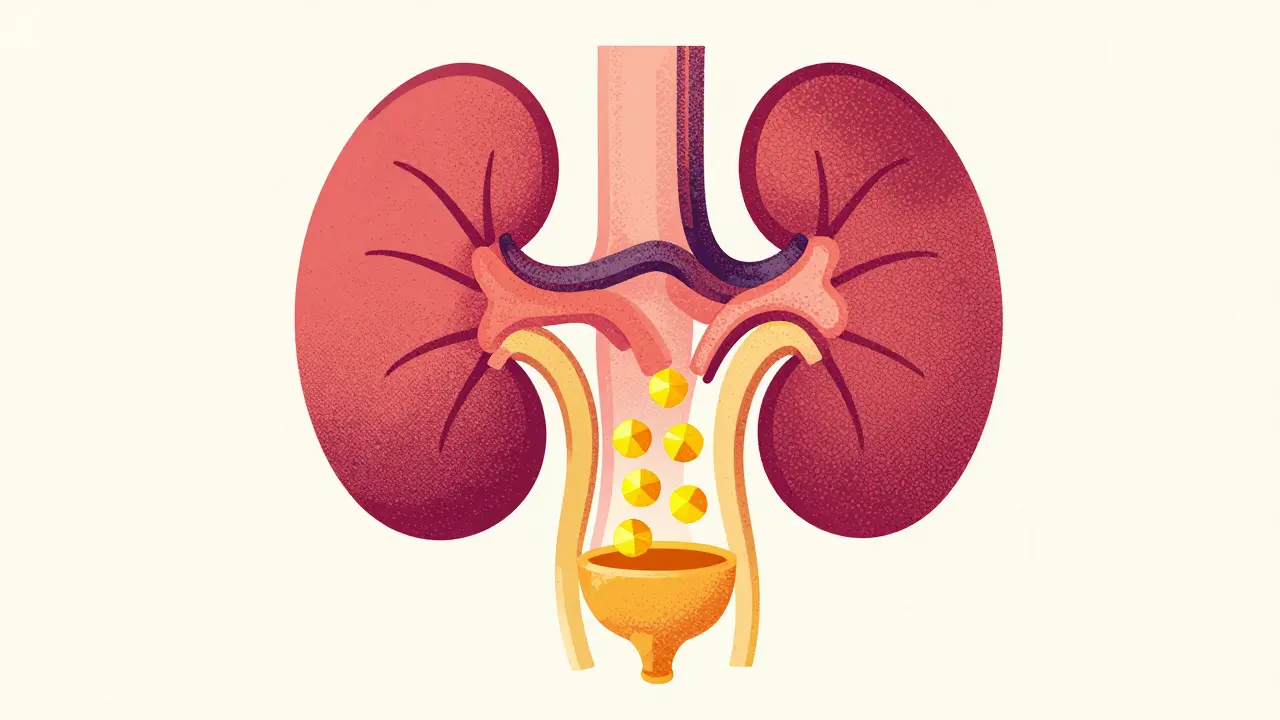
These drugs block the reabsorption of glucose in the kidneys, causing your body to flush excess sugar out through urine. While this effectively lowers blood sugar, it creates a sweet environment for bacteria and fungi to thrive in the genitourinary tract. Most people experience mild yeast infections or urinary tract infections (UTIs). However, in rare instances, this bacterial overgrowth can lead to a severe, invasive infection known as Fournier’s gangrene.
The mechanism is straightforward but dangerous. The high concentration of glucose in urine disrupts the natural protective barriers of the skin and mucous membranes. Bacteria can then enter deeper tissues, spreading rapidly along the fascia-the connective tissue surrounding muscles. This is why early detection is critical; once the infection breaches these barriers, it moves fast.
The Shifting Demographics: Why Women Are Now at Risk
Historically, Fournier’s gangrene was considered a male-dominated condition, often affecting older men with diabetes, obesity, or alcohol use disorders. However, data from regulatory bodies like the FDA and Medsafe New Zealand has revealed a startling shift. Among patients developing Fournier’s gangrene while taking SGLT2 inhibitors, nearly half are women.
This change challenges traditional medical assumptions. A systematic review published in the *Journal of Diabetes Science and Technology* analyzed 19 cases linked to these drugs and found that the gender distribution was almost equal. Legal firms handling related cases have also noted an increase in reports among women under the age of 50. This demographic shift means that anyone taking these medications, regardless of gender, must remain vigilant.
Why does this happen? The pathophysiology remains similar-bacterial invasion due to glucosuria-but the presentation might differ slightly. Women may initially mistake symptoms for a severe vaginal infection or cystitis, delaying crucial treatment. Understanding that this condition affects both sexes equally is vital for timely diagnosis.
Emergency Signs: What to Look For Immediately
Time is tissue when it comes to necrotizing fasciitis. If you suspect Fournier’s gangrene, every hour counts. The FDA and other health agencies emphasize specific warning signs that require immediate medical attention. Do not wait to see if it gets better. Go to the emergency room if you experience:
- Pain out of proportion to appearance: This is the hallmark sign. The pain may feel excruciating, yet the skin might look only slightly red or swollen initially.
- Tenderness, erythema (redness), or swelling: These symptoms occur in the genital or perineal area (the region between the anus and genitals).
- Fever or malaise: Feeling generally unwell, chills, or having a high temperature indicates a systemic infection.
- Foul-smelling discharge: As tissue begins to die, it may produce pus or fluid with a distinct, unpleasant odor.
- Skin discoloration: Later stages may show darkening of the skin, indicating necrosis (tissue death).
A case report from 2021 described a 71-year-old woman on dapagliflozin who presented with foul-smelling discharge and a large abscess in the perianal area. By the time she sought help, the infection had progressed significantly. Remember, early symptoms can be subtle. If something feels wrong in your groin area, trust your instincts and seek care immediately.

Statistics and Severity: How Bad Is It Really?
It is important to contextualize the risk. Fournier’s gangrene remains rare. A large study published in *JAMA Internal Medicine* involving over 1 million users of SGLT2 inhibitors estimated an increase of approximately one additional case per 10,000 men treated compared to other diabetes medications. However, the severity of the outcome makes even rare events significant.
| Metric | Percentage/Frequency | Source Context |
|---|---|---|
| Required Multiple Surgeries | 63.2% | Systematic Review (19 cases) |
| Admitted to ICU | 78.9% | Systematic Review (19 cases) |
| Mortality Rate | 15.8% | Systematic Review (19 cases) |
| Discontinued Medication | 84.2% | Systematic Review (19 cases) |
As the table shows, the majority of patients required intensive care and multiple surgical debridements to remove dead tissue. Despite aggressive treatment, nearly 16% of patients in this specific cohort died. This underscores why prevention and early detection are paramount. The mortality rate for Fournier’s gangrene in the general population ranges from 7.5% to 50%, depending on comorbidities, making this drug-associated variant particularly concerning due to its rapid onset.
Treatment Protocols: What Happens Next?
If a doctor suspects Fournier’s gangrene, they will act swiftly. The standard protocol involves three key steps:
- Immediate Discontinuation: Stop taking the SGLT2 inhibitor immediately. Your doctor will switch you to an alternative therapy for glycemic control.
- Antibiotics: Intravenous antibiotics are started right away to combat the bacterial infection.
- Surgical Debridement: Surgeons must physically remove all dead and infected tissue. This is often painful and may require multiple surgeries. In severe cases, reconstructive surgery or colostomy may be necessary.
Dr. Elisabetta Patorno from Brigham and Women’s Hospital explained that the increased risk of genital infections can introduce bacteria through disrupted mucosa, leading to this urologic emergency. Once the infection spreads to the fascia, antibiotics alone cannot stop it because the dead tissue has no blood supply to deliver the drugs. Surgery is the only way to halt the progression.

Should You Stop Taking Your Medication?
This is the most common question patients ask. The short answer is: do not stop without consulting your doctor. Regulatory agencies like the FDA, European Medicines Agency (EMA), and Medsafe New Zealand maintain that the benefits of SGLT2 inhibitors continue to outweigh the risks for most patients.
These drugs have proven benefits beyond blood sugar control. They reduce the risk of cardiovascular death, hospitalization for heart failure, and kidney function decline. For many patients with type 2 diabetes and existing heart or kidney conditions, these protective effects are lifesaving in their own right.
However, individual risk factors matter. If you have a history of recurrent genital infections, poor wound healing, or other complications, your doctor might consider alternative medications. Open communication with your healthcare provider is essential. Discuss your personal risk profile rather than making unilateral decisions based on fear.
Prevention and Monitoring Tips
You can take proactive steps to minimize your risk while benefiting from these medications:
- Maintain Hygiene: Keep the genital area clean and dry. Moisture promotes bacterial growth.
- Monitor for Symptoms: Check yourself regularly for any unusual pain, swelling, or discharge.
- Stay Hydrated: Drinking plenty of water helps flush bacteria from the urinary tract.
- Control Blood Sugar: Poorly controlled diabetes increases susceptibility to infections.
- Educate Yourself: Know the signs of Fournier’s gangrene. Share this knowledge with family members so they can help you recognize changes.
Healthcare providers are now advised to counsel patients about these symptoms at the start of therapy. Don’t hesitate to ask your doctor about this risk during your next appointment. Awareness is your best defense.
Regulatory Actions and Global Consensus
Global health authorities have aligned on this issue. Following the FDA’s 2018 boxed warning, the EMA updated product information for all SGLT2 inhibitors in the EU in January 2019. The UK’s Medicines and Healthcare products Regulatory Agency (MHRA) mandated that all product labels include warnings about Fournier’s gangrene. Medsafe New Zealand issued a prescriber update in December 2022, reinforcing these guidelines.
These actions reflect a consensus that while the risk is real, it is manageable through education and vigilance. Pharmacovigilance systems like the FDA’s Adverse Event Reporting System (FAERS) continue to monitor new cases, ensuring that safety profiles remain up-to-date.
Can Fournier’s gangrene be cured?
Yes, but it requires immediate and aggressive treatment. Survival depends on how quickly the infection is diagnosed and treated with surgery and antibiotics. Delayed treatment significantly increases the risk of death or severe disability.
Are all diabetes medications linked to Fournier’s gangrene?
No. The link is specifically associated with SGLT2 inhibitors. Other classes of diabetes medications, such as metformin or insulin, do not carry this specific risk profile, although diabetes itself is a general risk factor for various infections.
How soon after starting SGLT2 inhibitors can this happen?
The FDA noted that cases typically develop within several months of starting the medication. However, it can occur at any time during treatment. Vigilance should be maintained throughout the duration of therapy.
Is it safe for women to take SGLT2 inhibitors?
Yes, for most women, the benefits outweigh the risks. However, because recent data shows a higher proportion of cases in women than historically expected, female patients should be especially aware of the symptoms and seek care immediately if they arise.
What is the difference between a UTI and Fournier’s gangrene?
A urinary tract infection (UTI) causes burning during urination and frequent urges to go. Fournier’s gangrene causes severe pain in the groin/perineal area, swelling, redness, fever, and often pain that seems disproportionate to visible symptoms. If you have severe pain and swelling alongside UTI symptoms, seek emergency care.