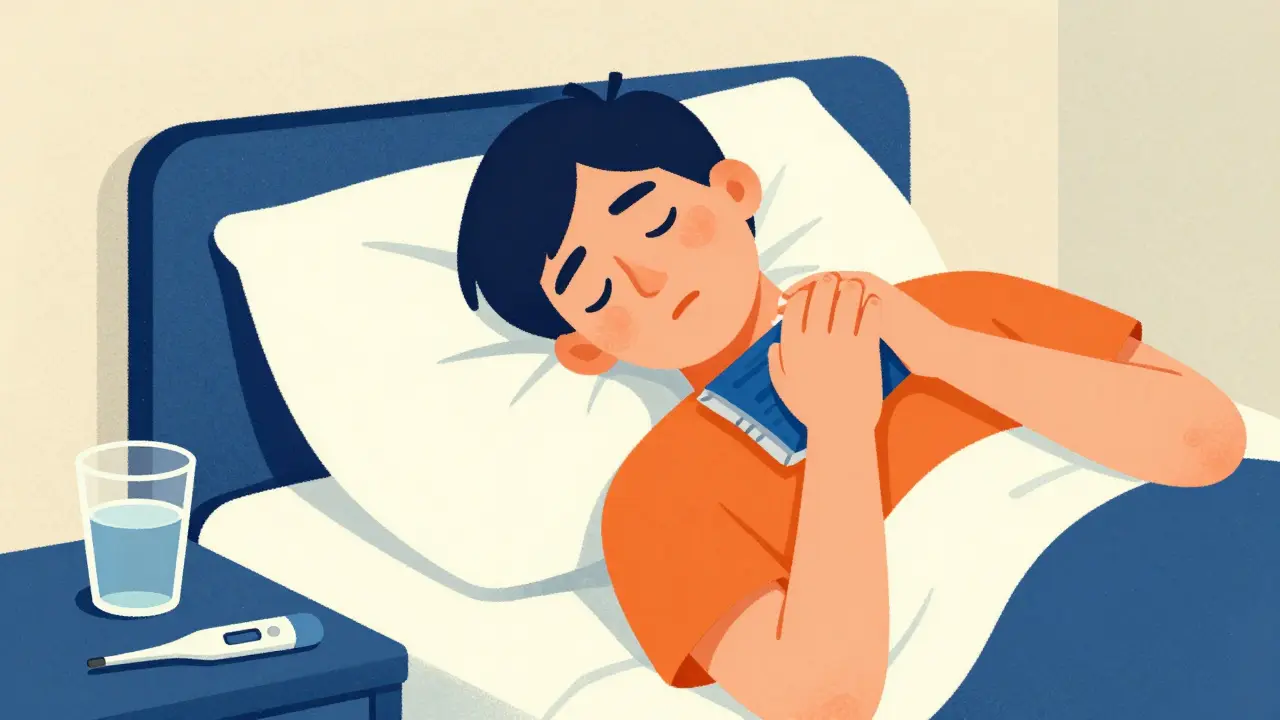
It starts with a sore throat that just won't quit. You take antibiotics for what you think is strep, but the pain stays, your lymph nodes swell up like marbles, and suddenly you can't even get out of bed without feeling like you've run a marathon. This isn't just a bad cold. It's mononucleosis, commonly known as mono or "the kissing disease". Caused primarily by the Epstein-Barr virus (EBV), this infection affects roughly 90-95% of cases and leaves many young adults sidelined for weeks or months.
If you're reading this, you might be staring down a positive Monospot test or trying to figure out why you're still exhausted three weeks into "recovery." Mono is tricky because it doesn't follow a neat, one-week timeline. It demands patience, specific lifestyle adjustments, and a clear understanding of what your body is doing behind the scenes. Let’s break down exactly what EBV does to your system, how to manage the crushing fatigue, and when it’s actually safe to return to your normal life.
The Biology of Mono: More Than Just a Sore Throat
To understand why mono hits so hard, you have to look at the culprit. The Epstein-Barr virus belongs to the herpesvirus family (specifically human herpesvirus 4). Unlike the common cold viruses that stay in your nose and throat, EBV targets your immune system directly. It attaches to B-lymphocytes-the white blood cells responsible for producing antibodies-and hijacks them to replicate.
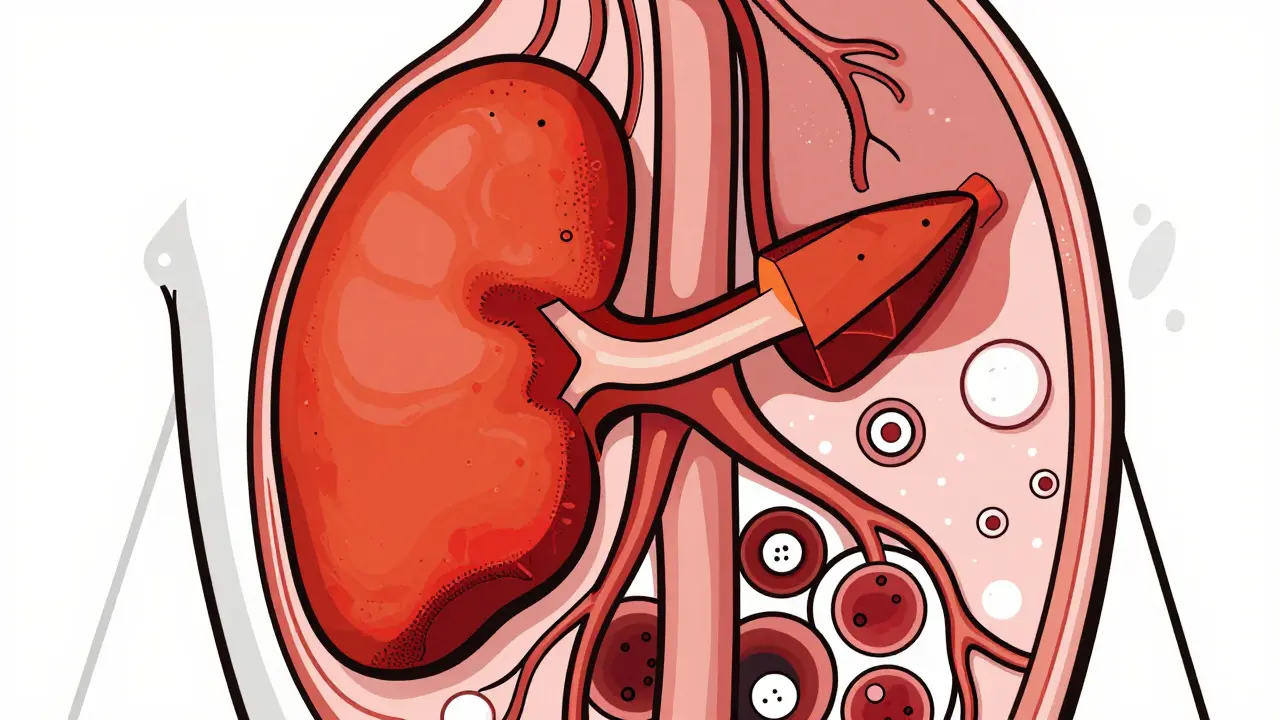
This invasion triggers a massive immune response. Your body ramps up production of T-cells to fight off the infected B-cells, leading to the characteristic swelling of lymph nodes, especially in the back of your neck (posterior cervical region). About 50% of patients also develop splenomegaly, or an enlarged spleen. The spleen filters blood and recycles old red blood cells; when it swells due to the viral load and immune activity, it becomes fragile. This is why doctors are so strict about avoiding contact sports. A ruptured spleen occurs in 0.1-0.5% of cases, usually between weeks two and four, and it is a medical emergency requiring immediate surgery.
Here is the catch: once EBV enters your body, it never truly leaves. It establishes lifelong latency in your B-cells. Most people live with it forever without issue, though it can reactivate periodically, particularly if your immune system is compromised. While rare, there is a documented link between chronic EBV presence and certain conditions, including a slightly elevated risk of multiple sclerosis (MS) later in life, as shown in large-scale military personnel studies.
Symptoms and Diagnosis: Spotting the Difference
Mono symptoms often mimic other illnesses, which leads to frequent misdiagnosis. In fact, a 2022 survey found that 42% of mono patients were initially treated for strep throat. Here is how to tell them apart:
- Fatigue: This is the hallmark. While flu fatigue lasts a week, mono fatigue is profound and persistent, affecting 98% of symptomatic cases.
- Throat Pain: Severe pharyngitis occurs in 85% of cases. Unlike strep, it doesn’t respond to antibiotics. If you take amoxicillin or ampicillin for mono, there is an 80-90% chance you will develop a widespread rash-a classic sign that points back to EBV.
- Fever and Swelling: Expect temperatures between 101-104°F (38.3-40°C) and swollen tonsils, sometimes with white patches (exudates).
Diagnosis typically involves the Monospot test. This heterophile antibody test has 85% sensitivity during the second week of illness. However, it can yield false negatives in the first week. If your symptoms are classic but the Monospot is negative, doctors may order an EBV-specific antibody panel. This looks for VCA-IgM (indicating acute infection) and EBNA (which appears months later). Cytomegalovirus (CMV) can cause similar symptoms but usually lacks the severe sore throat and prominent lymph node swelling seen in mono.
The Reality of Mono Fatigue
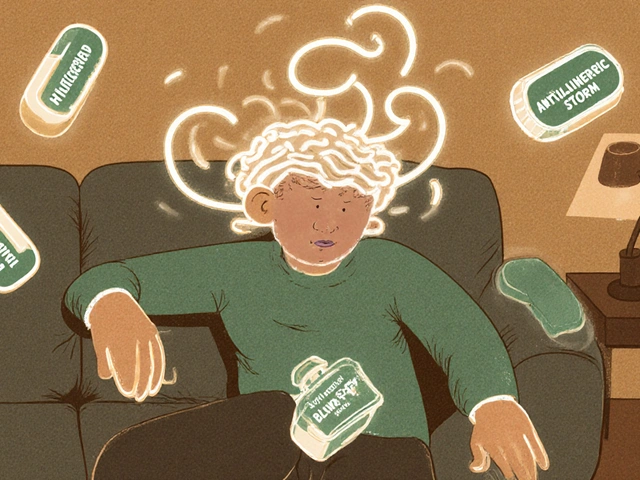
If anyone tells you mono is "just a few days of being sick," they haven't had it. Fatigue is the most debilitating symptom for 78% of patients. It’s not just tiredness; it’s a deep, bone-weary exhaustion that makes simple tasks like showering or reading feel impossible. Studies show that while acute symptoms fade in 2-6 weeks, significant fatigue can persist for 2-4 months.
Why does this happen? Your immune system has been running a marathon. The energy cost of fighting EBV is immense. Pushing through this fatigue-going to work, school, or gym-is counterproductive and can prolong recovery. User reports from health forums consistently highlight that those who respected their body’s need for rest recovered faster than those who tried to "power through."
A practical strategy gaining traction is the "Pacing, Prioritizing, Planning" method. Instead of resting until you’re exhausted and then pushing too hard, you budget your energy. Start at 50% of your pre-illness activity level. If you could walk 10,000 steps before, aim for 5,000 now. Increase by only 10% each week, provided your symptoms don’t worsen. This graded approach prevents the "boom and bust" cycle that sets many patients back.
Managing Complications and Treatment
There is no cure for mono. Antiviral drugs like acyclovir do not significantly alter the clinical course, despite reducing viral shedding slightly. Corticosteroids are generally avoided unless there is airway obstruction from severe tonsil swelling, as they only offer minor, short-term relief and carry side effects.
Treatment is entirely supportive:
- Pain and Fever Management: Use acetaminophen. Avoid NSAIDs (like ibuprofen) if possible, as they can increase bleeding risk, especially if your platelet count is low or your spleen is enlarged.
- Hydration: Drink plenty of water. Dehydration worsens fatigue and headache.
- Throat Care: Saltwater gargles and lozenges help soothe the severe pharyngitis.
The biggest risk remains splenic rupture. The American College of Sports Medicine guidelines state you must avoid contact sports for a minimum of 4 weeks post-diagnosis. Many experts now recommend waiting until an ultrasound confirms your spleen has returned to normal size, which happens in 90% of cases within 30 days but can take up to 12 weeks in severe instances. Do not guess. Get the scan if you play rugby, football, hockey, or martial arts.
| Feature | Mononucleosis (EBV) | Strep Throat | Influenza |
|---|---|---|---|
| Primary Cause | Epstein-Barr Virus | Streptococcus bacteria | Influenza virus |
| Fatigue Duration | Weeks to Months | Days | 1-2 Weeks |
| Lymph Nodes | Significantly Swollen (Neck) | Mildly Swollen | Rare |
| Antibiotic Response | No Effect (May cause rash) | Effective | No Effect |
| Spleen Risk | High (Enlargement/Rupture) | None | None |

Recovery Timeline: What to Expect
Patience is your best medicine. Here is a realistic breakdown of the recovery phases based on clinical data and patient experiences:
- Weeks 1-2: Acute phase. High fever, severe sore throat, extreme fatigue. Rest is mandatory. Hydration is critical.
- Weeks 3-4: Subacute phase. Fever breaks, throat improves. Fatigue remains high. Spleen is still enlarged. No heavy lifting or contact sports.
- Weeks 5-8: Gradual improvement. Energy levels begin to rise but fluctuate. You may feel fine one day and wiped out the next. This is normal.
- Months 2-4: Return to baseline. Most people resume full activities. Some experience lingering mild fatigue for up to 6 months.
If your fatigue persists beyond six months, consult your doctor. While rare, this could indicate post-viral fatigue syndrome. New research is exploring treatments like low-dose naltrexone (LDN) for these prolonged cases, showing promise in reducing fatigue severity.
Prevention and Future Outlook
You cannot prevent EBV entirely since it is so widespread, but you can reduce transmission risks. Avoid sharing drinks, utensils, or toothbrushes. Kissing is the most efficient transmission route, hence the nickname. Washing hands regularly helps, though less effectively than with respiratory viruses.
Looking ahead, science is making strides. Moderna’s mRNA vaccine candidate (mRNA-1189) entered Phase I trials in 2023, showing high seroconversion rates. While a widely available vaccine is likely years away, current management focuses on better diagnostic tools and personalized pacing protocols. Until then, listening to your body and respecting the spleen’s fragility remain the gold standards for care.
How long is someone with mono contagious?
You are contagious as long as you shed the virus in your saliva, which can continue for months after symptoms disappear. However, the highest risk of transmission is during the acute phase (first few weeks). Since EBV establishes lifelong latency, periodic shedding can occur even years later, though the risk of transmitting it to others is lower than during active infection.
Can you get mono more than once?
True reinfection with new symptoms is rare. Once you have had mono, your body develops antibodies that keep the virus in check. However, the virus remains dormant in your body and can reactivate, especially if your immune system is weakened by stress, illness, or medication. Reactivation usually doesn't cause the full mononucleosis syndrome but might lead to mild fatigue.
Is it safe to exercise with mono?
Light walking is generally okay if you feel up to it, but you must avoid strenuous exercise, weightlifting, and contact sports for at least 4 weeks, or until cleared by a doctor via ultrasound. Exercising too soon increases the risk of splenic rupture, which can be fatal. Listen to your body; if you feel dizzy or fatigued, stop immediately.
What foods should I eat when recovering from mono?
Focus on soft, easy-to-swallow foods if your throat is sore, such as soups, yogurt, smoothies, and mashed potatoes. Stay hydrated with water, herbal teas, and electrolyte drinks. Avoid acidic juices like orange juice if they irritate your throat. Nutrition supports your immune system, so prioritize protein and vitamins, but don't force yourself to eat large meals if you lack appetite.
When should I see a doctor again after diagnosis?
Seek immediate medical attention if you experience sudden sharp pain in the upper left abdomen (sign of spleen rupture), difficulty breathing, severe dehydration, or if your yellowing skin/eyes (jaundice) worsens. For routine recovery, follow up if your fatigue hasn't improved after 4-6 weeks or if you need clearance for sports participation.
Cecilia McGuinness
June 15, 2026 AT 13:40omg this is so helpful thx for sharing. i had mono last year and it was the worst feeling ever like my body just shut down completely. ppl always say just rest but its hard when u feel like ur gonna die every time u move lol
Brett Webster
June 17, 2026 AT 02:14The section on pacing is critical here. Most people ignore the "boom and bust" cycle warning and end up resetting their recovery clock by two weeks. If you have a job that requires physical presence, talk to your HR department about phased return-to-work options immediately. Do not wait until you are already burned out again. The spleen risk is real, but the cognitive fatigue is what actually keeps people from functioning in daily life. I recommend keeping a simple log of your energy levels versus activity output to identify your personal thresholds.
Brandon Brodsky
June 18, 2026 AT 00:53Another article telling us to just 'rest' as if we have the luxury of doing nothing for four months. Thanks for the medical textbook summary, really needed to know about the B-lymphocytes while I'm trying to figure out how to pay rent with zero income.
Sherry Wheeler
June 19, 2026 AT 06:44I remember lying in bed staring at the ceiling for three weeks straight, convinced I was dying because no amount of sleep helped. It feels like your soul is being drained out of you drop by drop. But honestly, that period of forced stillness taught me more about my own resilience than any gym session ever could. You have to surrender to the process, even when it terrifies you. The fatigue is a signal, not an enemy. Listen to it.
Aditya Singh
June 20, 2026 AT 00:44In our cultural context, we often view rest as laziness, which makes this condition particularly stigmatized. However, the physiological demand of EBV replication requires significant metabolic resources. It is imperative to understand that the immune system's hyperactivity is a protective mechanism, albeit an exhausting one. We must reframe recovery not as idleness but as active biological repair. The graded exercise approach mentioned aligns well with Ayurvedic principles of gradual rejuvenation post-fever.
shreya sinha
June 21, 2026 AT 04:22It is quite disheartening to observe the general public's continued disregard for basic hygiene protocols despite the abundance of information available regarding viral transmission vectors. One would think that after decades of epidemiological data collection, individuals would cease the practice of sharing utensils and beverages without considering the potential consequences of such actions. The Epstein-Barr virus does not discriminate based on social status or intelligence, yet the preventable spread remains alarmingly high due to sheer negligence and a lack of communal responsibility among young adults who prioritize social convenience over health safety.
Miranda River
June 22, 2026 AT 10:08i mean yeah sure the science is cool and all but have u ever tried explaining to ur boss that u cant work because ur spleen might explode? good luck with that one. also why do they never mention how much it sucks to lose ur hair during the acute phase?? thats a detail missing from most guides. anyway glad im past it now mostly just tired af
Talilla Bailey
June 24, 2026 AT 09:17It is imperative that individuals adhere strictly to the medical guidelines provided herein. The risks associated with splenic rupture are severe and potentially fatal, necessitating immediate cessation of all contact sports and heavy lifting. Please ensure you consult with a qualified healthcare professional before resuming any physical activities. Your health is paramount, and negligence in this regard can lead to irreversible consequences. Follow the protocol.