Managing pain without causing harm is one of the toughest balancing acts in modern medicine. For years, opioids were the go-to solution for everything from backaches to surgical recovery. But that approach came with a heavy price tag: addiction, overdose, and a public health crisis that has claimed over 108,000 lives annually in recent years. The good news? The rules have changed significantly as of 2025 and 2026. New guidelines from major health organizations are reshaping how we prescribe and take these powerful medications, aiming to keep pain under control while drastically cutting the risk of misuse.
If you are a patient or a caregiver, understanding these shifts is crucial. It’s not just about following doctor’s orders; it’s about knowing what questions to ask, what red flags to watch for, and what safer alternatives exist. This guide breaks down the latest evidence-based strategies for medication safety in pain management, helping you navigate this complex landscape with confidence and clarity.
The New Rules of the Road: 2025-2026 Guidelines
The landscape of opioid prescribing has tightened considerably. In February 2025, the Centers for Disease Control and Prevention (CDC) released updated clinical practice guidelines that serve as the gold standard for most outpatient care. These aren't just suggestions; they are backed by extensive data showing where the real dangers lie.
The core message is simple: lower doses and shorter durations save lives. Here is what you need to know about the current thresholds:
- Morphine Milligram Equivalents (MME): This is the standard metric used to compare different opioid strengths. Think of it as a common currency for painkillers. The CDC advises clinicians to closely reassess benefits versus risks when a dose reaches 50 MME per day. At this level, the risk of overdose jumps nearly three times compared to lower doses.
- The 90 MME Ceiling: Doses at or above 90 MME per day should generally be avoided unless absolutely necessary. Exceptions exist for cancer treatment, palliative care, or end-of-life situations, but for typical chronic pain, this threshold is a hard stop for many providers.
- Acute Pain Limits: If you are recovering from surgery or an injury, the initial prescription should rarely exceed a three-day supply. Extensions up to seven days are allowed only if clinically justified. This is a significant shift from older practices that routinely handed out two-week supplies.
Why such strict limits? Data from 2022-2024 shows that proper implementation of these guidelines could prevent 18-22% of opioid overdoses. The goal isn't to leave people in pain, but to ensure that the most dangerous aspect of opioids-the potential for fatal respiratory depression-is minimized.
Understanding Your Risk: Assessment Tools
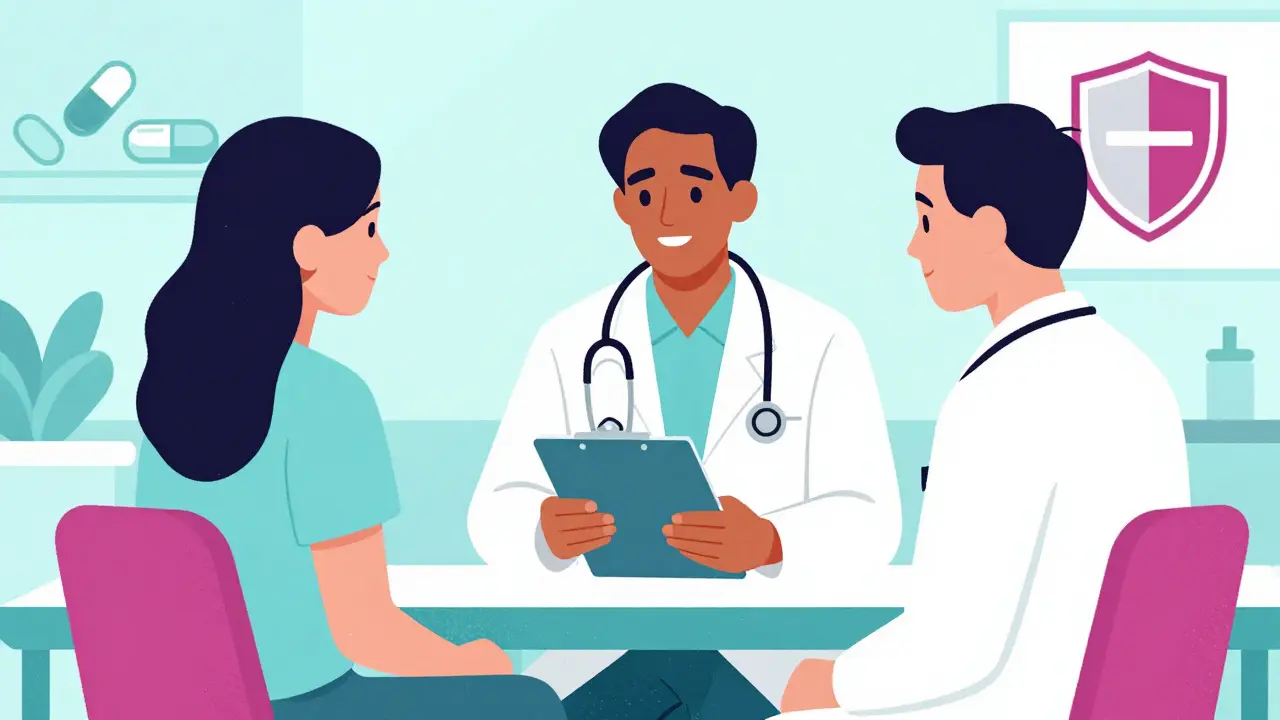
Before starting any opioid therapy, your provider should assess your personal risk factors. This isn't about judgment; it's about safety. Two primary tools are commonly used in clinical settings today:
- Opioid Risk Tool (ORT): A quick screening questionnaire that looks at family history of substance abuse, mental health conditions, and age. Scores below 4 indicate low risk, while scores above 8 suggest high risk, potentially requiring consultation with an addiction specialist before prescribing.
- Screener and Opioid Assessment for Patients with Pain (SOAPP): A more detailed assessment often used for patients considering long-term therapy. It evaluates psychological factors and past behaviors related to pain and substances.
If you fall into a moderate or high-risk category, don't panic. It simply means your care plan will include extra safeguards, such as more frequent follow-ups, urine drug screenings (at least quarterly for doses ≥50 MME), and a stronger emphasis on non-opioid treatments.
Beyond Pills: Multimodal Pain Management
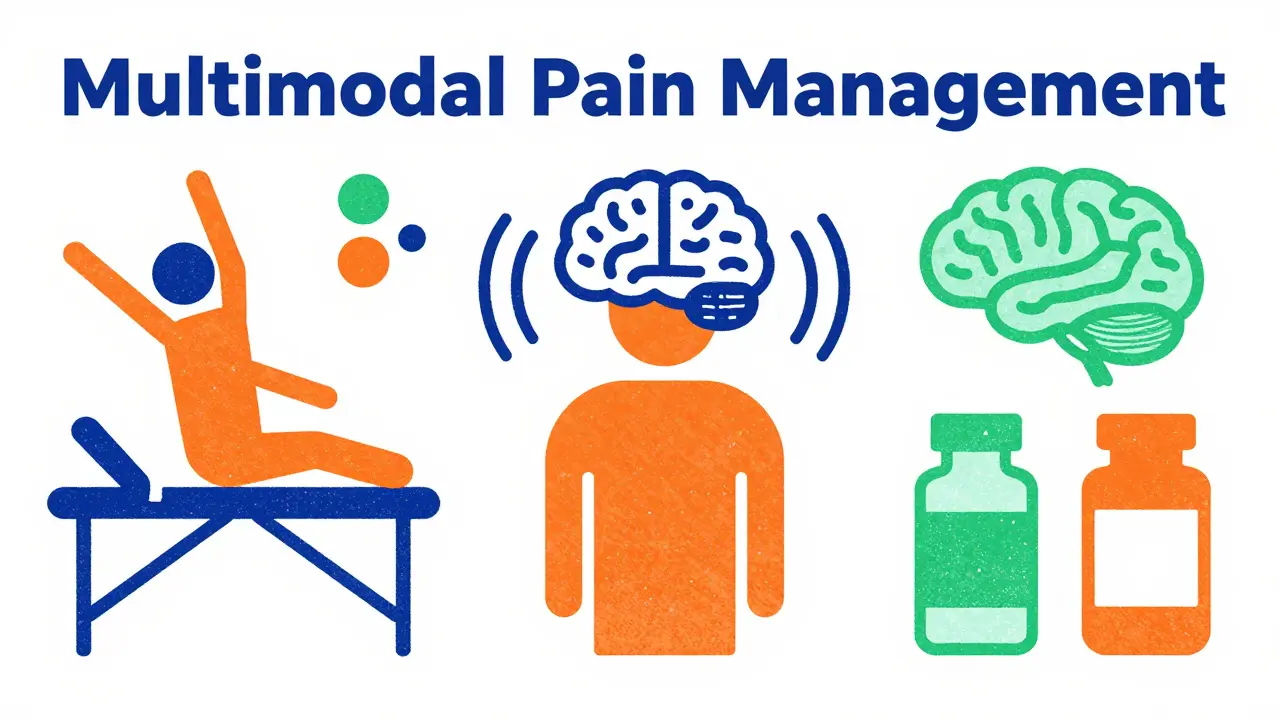
The biggest shift in pain management isn't just restricting opioids-it's replacing them with better options whenever possible. This approach is called Multimodal Pain Management: combining different types of treatments to attack pain from multiple angles. Instead of relying on a single pill to do all the work, you use a team approach.
| Strategy Type | Examples | Best For | Risk Profile |
|---|---|---|---|
| Non-Opioid Medications | NSAIDs (ibuprofen, naproxen), Acetaminophen, Gabapentinoids | Inflammatory pain, nerve pain, mild-moderate acute pain | Low addiction risk; watch for stomach/kidney issues with NSAIDs |
| Physical Therapies | Exercise programs, Massage, Heat/Cold therapy | Musculoskeletal pain, post-surgical recovery | Very low risk; requires active participation |
| Psychological Support | Cognitive Behavioral Therapy (CBT), Mindfulness | Chronic pain, pain-related anxiety/depression | No physical side effects; addresses pain perception |
| Opioids | Oxycodone, Hydrocodone, Morphine | Severe acute pain, cancer pain, palliative care | High risk of dependence, overdose, and tolerance |
Research shows that practices offering on-site physical therapy and CBT see 40-50% lower opioid prescribing rates while maintaining the same level of pain control. For example, after knee surgery, combining ibuprofen, acetaminophen, and early physical movement often works better than taking strong opioids alone, which can cause drowsiness that actually slows down your rehab.
Red Flags and Safety Monitoring
If you or a loved one is taking opioids, vigilance is key. The FDA updated labeling requirements in July 2025 to highlight specific dangers. You must watch for signs of Opioid Use Disorder (OUD): a medical condition characterized by compulsive drug use despite harmful consequences. Studies show that about 12.7% of patients on long-term opioid therapy develop moderate-to-severe OUD.
Watch for these warning signs:
- Taking more medication than prescribed to get the same effect (tolerance).
- Feeling unable to function without the next dose (dependence).
- Seeking prescriptions from multiple doctors (doctor shopping).
- Neglecting responsibilities at work, school, or home due to medication use.
Another critical safety step is checking the Prescription Drug Monitoring Program (PDMP): a state-run database that tracks controlled substance prescriptions. Since 2025, CMS has mandated point-of-sale safety edits for Medicare Part D plans. This means if you try to fill an opioid prescription that conflicts with another recent prescription or exceeds safe MME limits, the pharmacy system may flag or block it. This "hard edit" prevents accidental double-dosing and overlapping prescriptions, reducing errors by 37%.
What If You Need to Stop?
One of the most dangerous misconceptions is that you can just stop taking opioids cold turkey. The FDA explicitly warns against rapidly reducing or abruptly discontinuing opioids. Doing so can trigger severe withdrawal symptoms, uncontrolled pain spikes, and even increase suicide risk-a 2024 study found a 23% increase in suicide attempts among patients whose opioids were tapered too quickly.
A safe taper involves slowly lowering the dose over weeks or months, allowing your body to adjust. Always work with your healthcare provider to create a personalized tapering schedule. Never adjust your dose on your own.
Practical Tips for Patients
How can you stay safe while managing pain? Here is a checklist for your next doctor’s visit:
- Ask about non-opioid options first. Before agreeing to an opioid, ask, "What are the non-drug or non-opioid alternatives for my type of pain?"
- Clarify the duration. Ask, "Is this prescription intended for short-term use only? What is the plan if I still have pain after three days?"
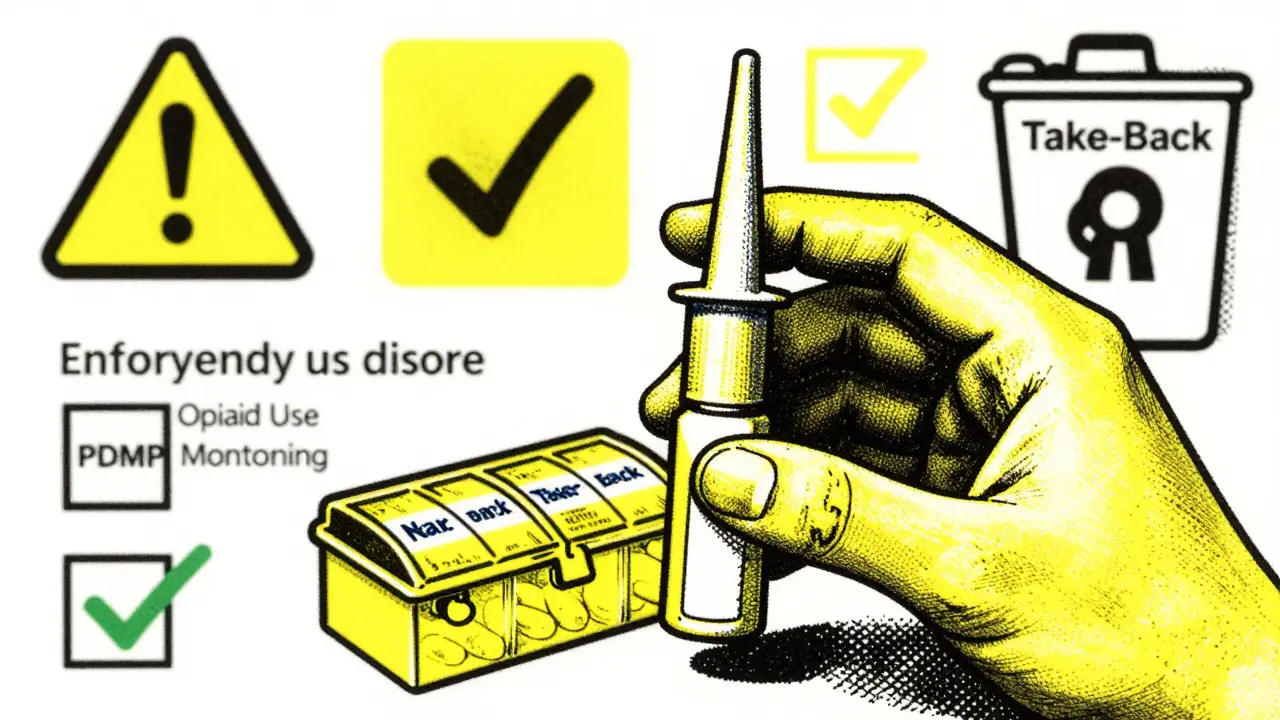
- Store meds safely. Keep opioids in a locked box away from children, pets, and visitors. Unused pills should be disposed of properly via drug take-back programs, not flushed down the toilet.
- Know the antidote. Ask your doctor if Naloxone: an emergency medication that reverses opioid overdoses by blocking opioid receptors in the brain. is right for you. Many states now allow pharmacists to dispense Naloxone without a separate prescription if you are on opioids.
- Be honest about other drugs. Mixing opioids with alcohol, benzodiazepines (like Xanax or Valium), or sleep aids drastically increases the risk of fatal respiratory depression. Tell your doctor everything you take, including supplements.
The Future of Pain Care
The trend is clear: we are moving away from opioids as the default solution. By 2027, analysts project that 65% of acute pain episodes will be managed without opioids, up from 48% in 2025. New therapies, including CBD-based products and targeted nerve blocks, are gaining traction. Meanwhile, regulatory bodies like the Joint Commission are requiring hospitals to implement standardized pain assessment protocols by the end of 2025.
This shift requires patience and open communication. Pain management is no longer a one-size-fits-all prescription pad interaction. It is a collaborative process involving lifestyle changes, physical therapies, and careful medication monitoring. By staying informed and proactive, you can achieve better pain relief with far fewer risks.
What is the maximum recommended daily dose of opioids for most patients?
According to the 2025 CDC guidelines, clinicians should closely reassess risks when a patient reaches 50 morphine milligram equivalents (MME) per day. Doses of 90 MME per day or higher should generally be avoided unless absolutely necessary for cancer or palliative care.
How long should an initial opioid prescription last for acute pain?
Current guidelines recommend capping initial opioid prescriptions for acute pain at a three-day supply. Extensions up to seven days are permitted only if clinically justified by the provider.
Can I stop taking opioids suddenly if I feel better?
No. Abruptly stopping opioids can cause severe withdrawal symptoms and uncontrolled pain. The FDA warns against rapid tapering. Always work with your doctor to create a slow, gradual reduction plan.
What are some effective non-opioid alternatives for pain?
Effective alternatives include NSAIDs (like ibuprofen), acetaminophen, physical therapy, cognitive behavioral therapy (CBT), and interventional procedures like nerve blocks. Multimodal approaches combining these methods often provide superior pain control with fewer risks.
What is a PDMP and why does it matter?
A Prescription Drug Monitoring Program (PDMP) is a database that tracks controlled substance prescriptions. Checking it helps prevent dangerous interactions, overlapping prescriptions, and "doctor shopping," significantly improving medication safety.
Is Naloxone available without a prescription?
In many jurisdictions, yes. Naloxone is an overdose reversal agent. Many pharmacies now allow its purchase without a separate prescription, especially for patients already prescribed opioids, to ensure immediate access in emergencies.