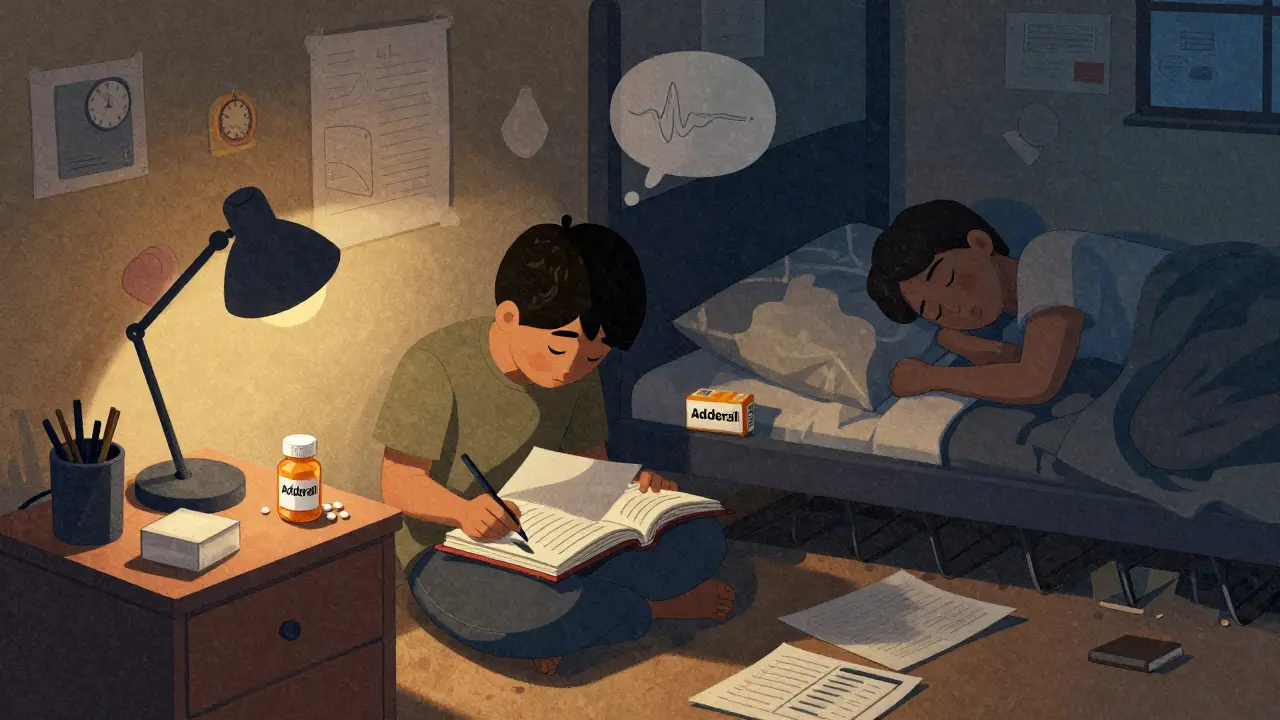
Every year, millions of college students start the semester with good intentions: get good grades, stay healthy, manage stress. But somewhere between late-night study sessions and exam week, many start taking pills that aren’t theirs. Adderall. Oxycodone. Xanax. They’re not street drugs-they’re prescriptions. And that’s part of the problem.
Why Prescription Drugs Are Being Misused on Campus
It’s not about partying. It’s about pressure. A 2023 National College Health Assessment found that 7.2% of college students misused prescription stimulants in the past year-up from 5.4% in 2018. The most common reason? To stay awake longer, focus better, or crush an exam. Adderall is the top choice. Nine percent of students reported using it without a prescription in 2012, and that trend hasn’t slowed. Students aren’t dumb. They know it’s risky. But they also think, “Everyone else is doing it.” A 2021 study of 312 students found that 62% knew someone who misused prescription drugs. And 60% of those drugs came from friends, roommates, or classmates-often handed out like candy before finals. The myth that prescription = safe is dangerous. Stimulants like Adderall can raise heart rate, spike blood pressure, and trigger anxiety or panic attacks. In 2010, stimulant-related ER visits among 18-25-year-olds tripled since 2005. And that’s just the tip of the iceberg. Many students don’t realize they’re risking heart damage, addiction, or mental health crashes after the high fades.Who’s Most at Risk-and Why
It’s not just the stressed-out pre-med student. Full-time college students and recent graduates have the highest rates of stimulant misuse in the 18-25 age group. Men are more likely to misuse stimulants than women-14.8% of male college students reported using Adderall without a prescription, compared to 7.4% of men not in college. But it’s not just stimulants. Sedatives and painkillers are also common. One in five young adults not in college misused opioids in the past year, but among students, the numbers are lower. Why? Because students are more likely to get prescriptions for ADHD or anxiety. That access makes sharing easier. The biggest risk factor? Academic pressure. Dr. Jane Maxwell from the University of Texas says it plainly: “The pressure for academic success, erratic sleep schedules, and recreational drug culture typically associated with college life” create the perfect storm. Students skip sleep, skip meals, and then turn to pills to compensate. It’s a cycle that starts with one exam and ends with dependency.Where the Drugs Come From-and How Easy It Is to Get Them
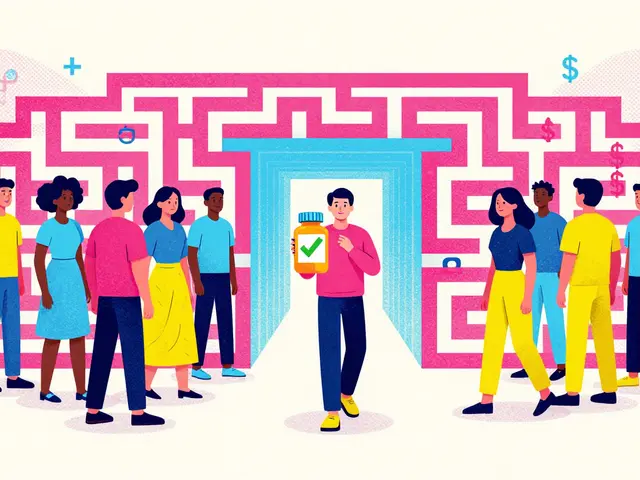
You don’t need a dealer. You need a roommate. The University of California’s 2020 Campus Drug Survey found that 42% of students knew exactly where to get stimulants without a prescription on campus. Half of them said they could walk into a dorm and walk out with a pill. Friends with prescriptions often share willingly. “It’s just one pill,” they say. But one pill can become two. Then three. Then a habit. Even when students don’t use drugs themselves, they’re surrounded by them. Almost two-thirds of college seniors will be offered prescription stimulants for nonmedical use before they graduate. And most don’t say no. The system makes it easy. Electronic prescriptions reduced forgery by 31% since 2019, but they didn’t stop sharing. And pharmacies don’t track who’s handing pills to friends. There’s no alert when someone picks up a 30-day supply of Adderall and gives half to a classmate.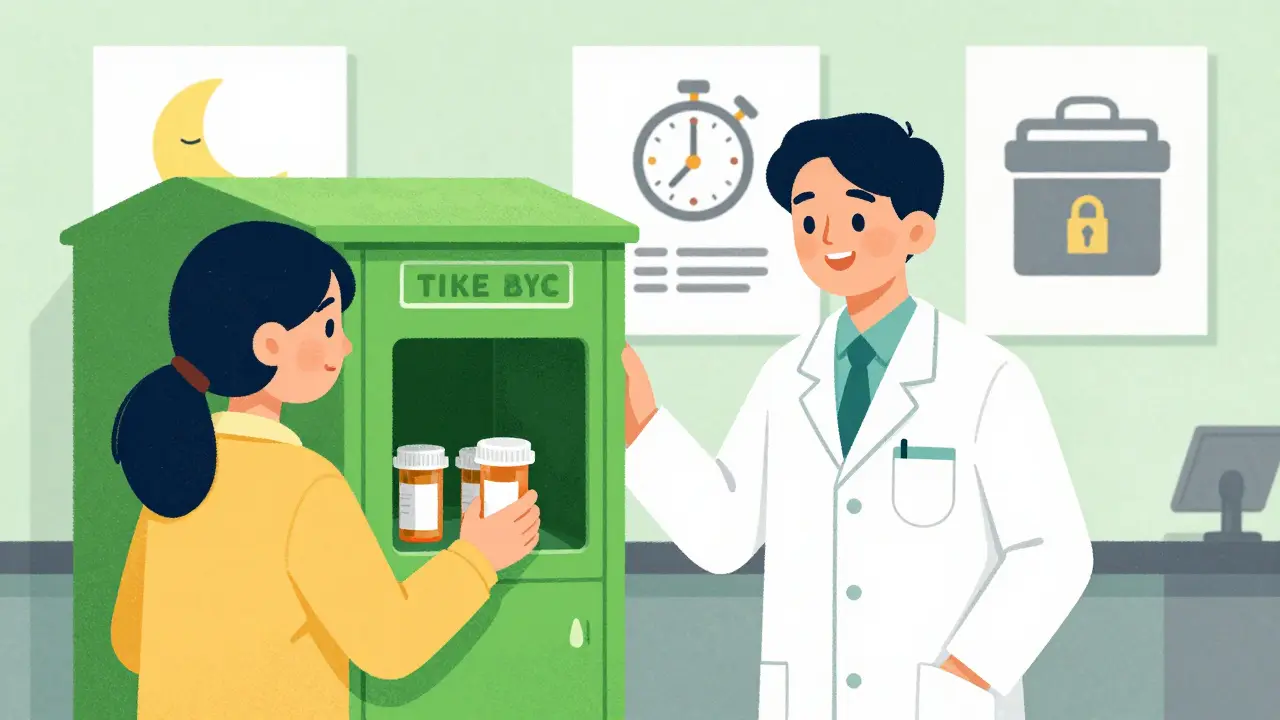
What Safe Medication Use Actually Looks Like
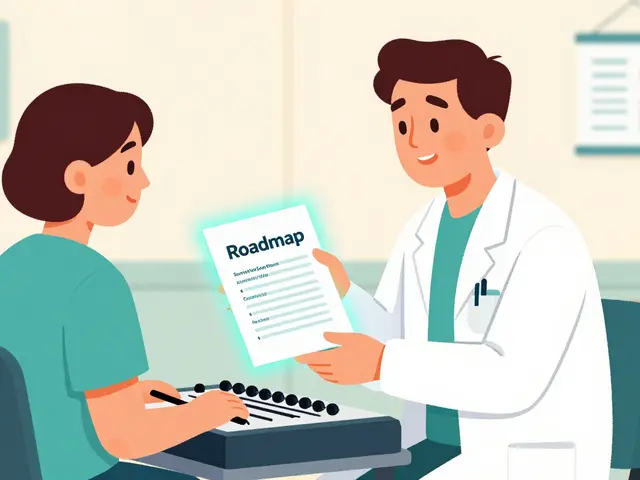
Medication safety isn’t about saying no to all drugs. It’s about using what’s prescribed-correctly. Never share your prescriptions. Even if you’re not using them anymore. A pill meant for your ADHD could cause a seizure in someone without it. Never take someone else’s medication, even if they say it’s “just like caffeine.” Store meds securely. Keep pills in a locked box, not on your nightstand. A 2019 program at the University of Florida gave students free lock boxes and cut stimulant misuse by 18% in two years. Dispose of unused meds properly. Most students don’t know where to throw away old pills. Only 29% could name a campus disposal location. Use take-back kiosks, pharmacy drop-offs, or DEA-approved disposal bags. Don’t flush them. Don’t toss them in the trash. And never save them “just in case.” Know the signs of misuse. If you or a friend is losing weight, sleeping less than 4 hours a night, having panic attacks, or suddenly obsessed with grades-it’s not just stress. It could be drug dependence.What Schools Are Doing-and What’s Working
Some campuses are finally catching up. The University of Michigan’s “Wolverine Wellness” program combines academic coaching with medication safety education. Result? A 22% drop in stimulant misuse-and a 47% increase in students using tutoring and time management help. That’s the key: replace the pill with a plan. Other schools are installing medication disposal kiosks in dorms and health centers. The CDC recommends them. So does SAMHSA. And they work. Brief counseling during a routine health visit boosts proper disposal rates by 35%. Pharmacies on campus now train student pharmacists to spot at-risk students. The American Association of Colleges of Pharmacy made this mandatory in 2021. That means if you walk in asking for extra Adderall, someone trained to help will notice. And the money is starting to follow. The Biden administration allocated $25 million in 2023 for campus drug prevention. Pharmaceutical companies like Shire have given over $4 million to college health programs since 2022. That’s not charity-it’s damage control. But it’s also an opportunity.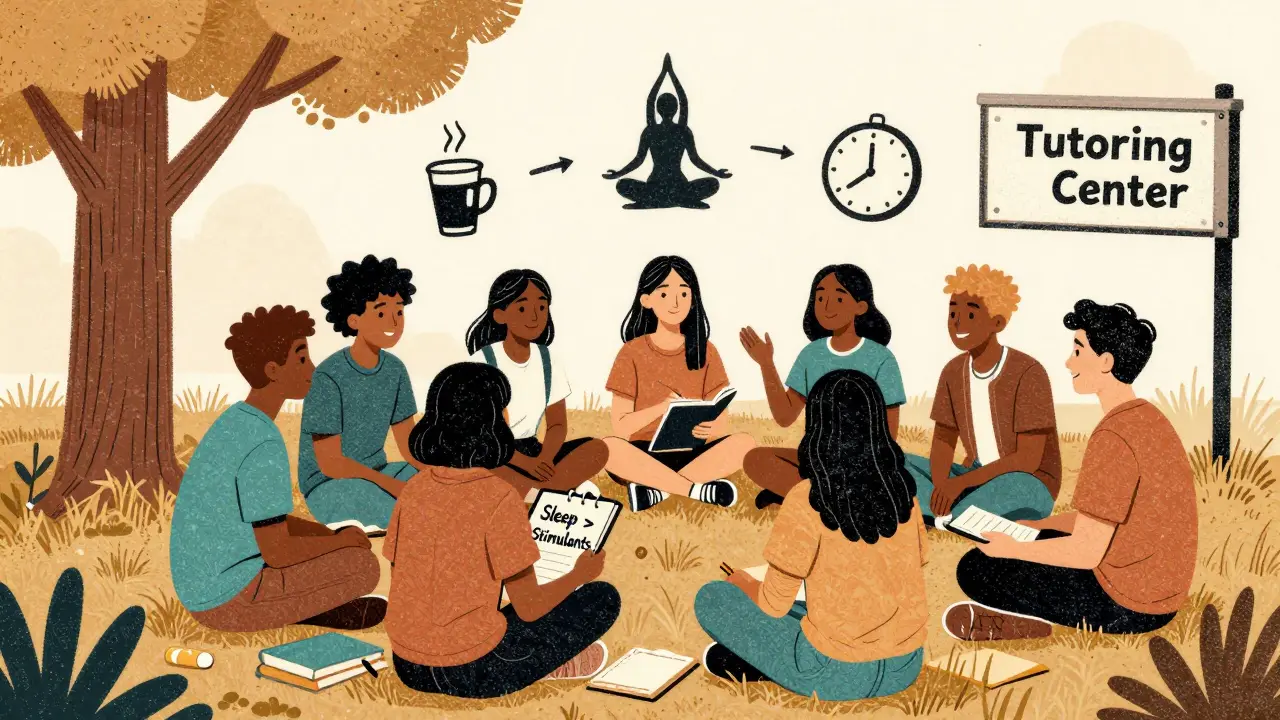
What You Can Do Right Now
You don’t need a campus program to protect yourself. Start here:- If you have a prescription, keep it locked up. No exceptions.
- If you’re offered a pill, say no. Even if it’s from your best friend.
- Use campus resources: tutoring, counseling, sleep workshops. They’re free. They work.
- Know where the nearest medication disposal bin is. Find it today.
- If you’re using stimulants to study, track your sleep, heart rate, and anxiety. If any of those are off, stop.
The Bigger Picture
Prescription drug misuse isn’t just a student problem. It’s a system failure. We teach kids to avoid illegal drugs but rarely talk about the dangers of legal ones. We hand out prescriptions like candy and then wonder why students misuse them. The cost? Over $1.8 billion a year in healthcare, lost grades, and campus security. But the real cost is human. A student who crashes after a stimulant binge. A roommate who develops anxiety because they’re always on edge. A family who finds out too late. The good news? We know what works. Lock boxes. Disposal bins. Academic support. Honest conversations. And most of all-replacing pills with purpose. You’re not alone. And you don’t need a pill to survive college. You just need to know the truth.Is it illegal to share my prescription with a friend?
Yes. Sharing prescription medication is illegal under federal law, even if no money changes hands. The DEA classifies most prescription stimulants, painkillers, and sedatives as controlled substances. Giving someone else your Adderall, OxyContin, or Xanax is considered drug distribution, and you can face criminal charges-even if you didn’t mean harm.
Can I get addicted to Adderall if I only use it for exams?
Yes. Adderall is a powerful stimulant that affects dopamine in the brain. Even occasional use-like once a week during finals-can lead to tolerance, meaning you need more to get the same effect. Over time, your brain starts relying on the drug to feel focused or even normal. Studies show that 10-20% of non-medical users develop dependence within a year. It’s not about frequency-it’s about how your body reacts.
What should I do if I think my roommate is misusing medication?
Don’t confront them aggressively. Instead, express concern calmly: “I’ve noticed you’ve been really tired lately, and I’m worried.” Offer to go with them to campus health services. Most colleges have confidential counseling and substance use programs. If they refuse help, talk to a resident advisor or health center staff. You’re not ratting them out-you’re helping them get support before it gets worse.
Are there safe alternatives to stimulants for studying?
Absolutely. The most effective alternatives are sleep, exercise, and time management. A 2022 study showed that students who got 7-8 hours of sleep performed better on exams than those who used Adderall. Try the Pomodoro technique (25 minutes of work, 5-minute break), use campus tutoring, and avoid all-nighters. Caffeine in moderation (like one cup of coffee) can help too-but it’s not a substitute for rest.
How do I safely dispose of old or unused medication?
Find a DEA-authorized take-back location. Many college health centers, pharmacies, or police stations have drop-off bins. If none are nearby, mix pills with coffee grounds or cat litter in a sealed bag and throw them in the trash. Never flush them down the toilet-that pollutes water systems. And always remove personal info from pill bottles before tossing them.
Is it safe to take someone else’s painkiller for a headache?
No. Painkillers like Vicodin or OxyContin are opioids, and even one pill can cause dangerous side effects-especially if you’ve never taken them before. They can slow your breathing, cause dizziness, or trigger allergic reactions. And if you’re taking other medications (like antidepressants or sleep aids), mixing them can be life-threatening. Always use over-the-counter pain relievers like ibuprofen or acetaminophen for headaches unless a doctor prescribes something else.

Sandeep Jain
December 26, 2025 AT 11:06bro i just took my roommate’s adderall before my bio final and i aced it… no regrets. i know it’s sketch but like… everyone does it. why punish the smart kids?
Natasha Sandra
December 28, 2025 AT 01:56OMG YES THIS. 🙌 I saw my roommate take 3 xanax before her psych midterm and she cried for 2 hours after. Like… we’re not superheroes. We’re just kids trying not to fail. 💔
Erwin Asilom
December 28, 2025 AT 19:22There’s a difference between using medication to manage a diagnosed condition and using it as a cognitive enhancer. The latter is dangerous, unsustainable, and ultimately self-defeating. Sleep, nutrition, and structured study habits are the only long-term solutions.
sakshi nagpal
December 30, 2025 AT 00:08As someone from India where academic pressure is extreme, I’ve seen friends turn to pills because they believe it’s the only way to compete. But the real issue isn’t the drugs-it’s the system that tells us our worth is tied to grades. We need better mental health infrastructure, not more stigma.
roger dalomba
December 31, 2025 AT 07:33Wow. A 22% drop in misuse? Must’ve been the glittery pamphlets. I’m sure nothing beats a 15-minute wellness seminar after you’ve been pulling 36-hour study marathons since freshman year.
Sophia Daniels
December 31, 2025 AT 21:21Let’s be real: if you’re taking Adderall to study, you’re not smart-you’re desperate. And if your roommate’s handing out prescriptions like Skittles, they’re not your friend-they’re a walking DEA case waiting to happen. 💅
Brittany Fuhs
January 2, 2026 AT 00:58Why are we even talking about this? In America, we don’t let kids self-medicate like it’s a game of musical chairs. This is why our education system is crumbling. Fix the culture, not the pill bottles.
Nikki Brown
January 3, 2026 AT 15:37You think you’re helping by sharing your meds? You’re just enabling a slow-motion train wreck. I watched my sister go from ‘just one pill’ to rehab in 8 months. Don’t be her. Don’t be that person.
Sumler Luu
January 4, 2026 AT 07:19My school has a lockbox program and a 24/7 peer counseling line. I used it during finals last semester. Didn’t need Adderall. Just needed someone to say, ‘It’s okay to be tired.’ That’s all.