When a brand-name drug’s patent runs out, patients expect cheaper generic versions to hit the market. But in reality, many of these drugs stay expensive for years longer than they should. Why? Because patent litigation in the generic pharmaceutical market has become a high-stakes game where legal tactics often outweigh medical need.
How the System Was Supposed to Work
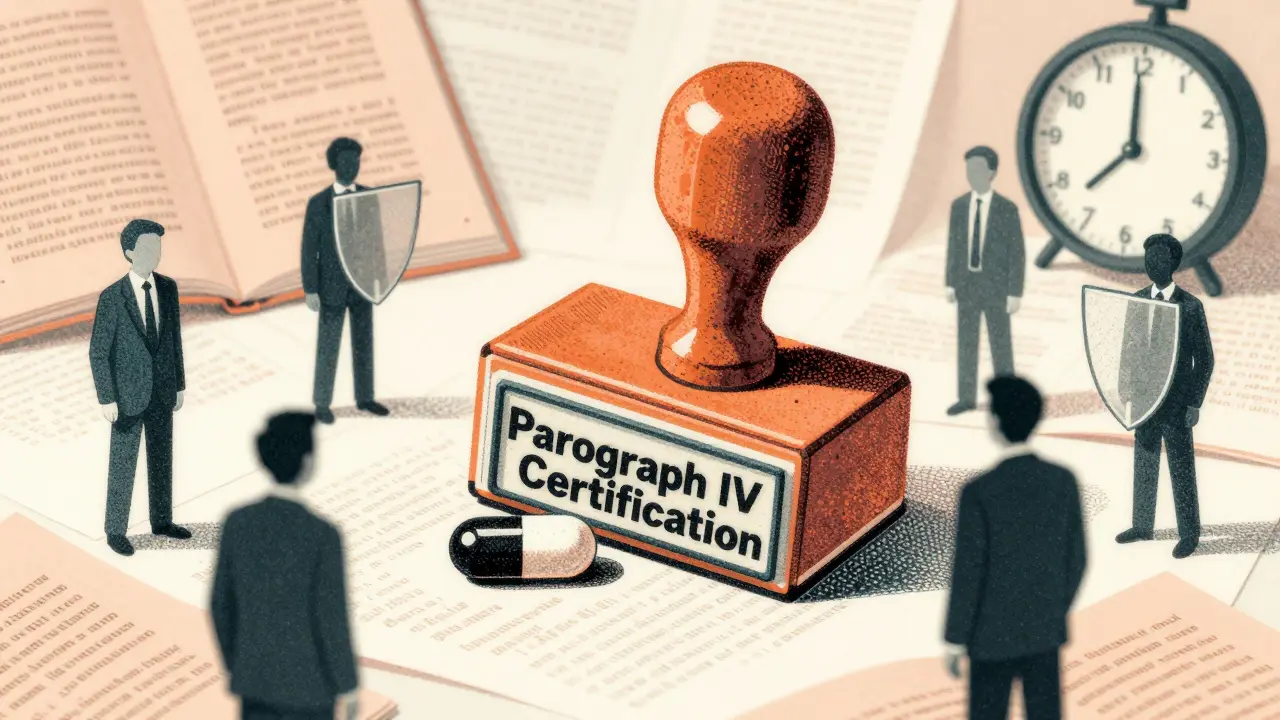
The Hatch-Waxman Act of 1984 was designed to strike a balance. It gave brand-name drugmakers extra patent time to make up for delays in FDA approval, while giving generic manufacturers a clear path to enter the market. All they had to do was file an Abbreviated New Drug Application (ANDA) and certify that the original patents were either invalid or wouldn’t be infringed. That certification? It’s called a Paragraph IV certification. And when a generic company files one, the brand company has just 45 days to sue. If they do, the FDA can’t approve the generic for 30 months - even if the patent is weak or clearly shouldn’t have been listed in the first place. That’s the regulatory stay. It’s meant to give courts time to decide, but in practice, it’s often used as a delay tactic.The Orange Book: A Tool for Delay, Not Transparency
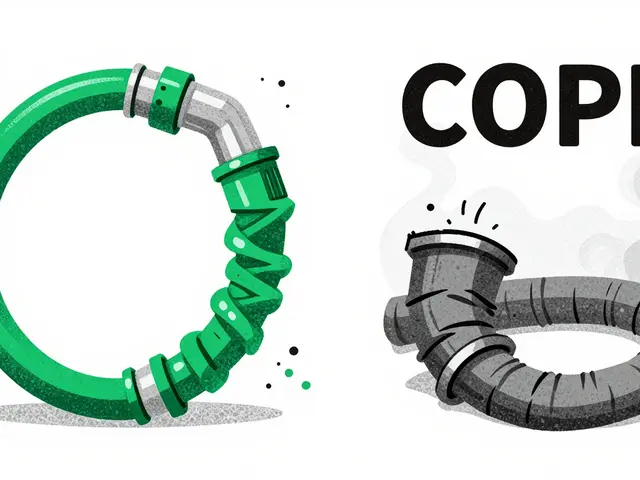
The Orange Book is supposed to be a public list of patents tied to brand-name drugs. Only patents covering the active ingredient, formulation, or method of use should be included. But that’s not how it’s working. Companies are listing patents on things like inhaler dose counters, packaging designs, or even manufacturing equipment - none of which have anything to do with the actual drug. In 2025, a federal judge in New Jersey ruled in Teva v. Amneal that six patents on a ProAir® HFA inhaler’s dose counter were improperly listed. The judge made it clear: “The drug for which Teva submitted its application was albuterol sulfate inhalation aerosol.” The counter? Not the drug. Not eligible. That ruling could invalidate 15-20% of all patents currently in the Orange Book. But until the FDA enforces stricter rules - which are expected in mid-2026 - companies keep listing them anyway.Serial Litigation: The Slow-Motion Blockade
One patent expires? No problem. Just file another lawsuit with a new patent you held back. This is called serial patent litigation. The Association for Accessible Medicines tracked ten cases where brand companies used this tactic to delay generic entry by 7 to 10 years after the original patent expired. Take Eliquis (apixaban). It’s a blood thinner. The core patent expired years ago. But 67 other patents - on manufacturing methods, crystal forms, dosing schedules - are still being used to block generics. Same with semaglutide (Ozempic, Wegovy). 152 patents. One drug. No wonder it’s taking over five years after patent expiry for generics to appear. This isn’t innovation. It’s legal engineering. And it’s costing the U.S. healthcare system an estimated $13.9 billion every year in unnecessary spending, according to the FTC.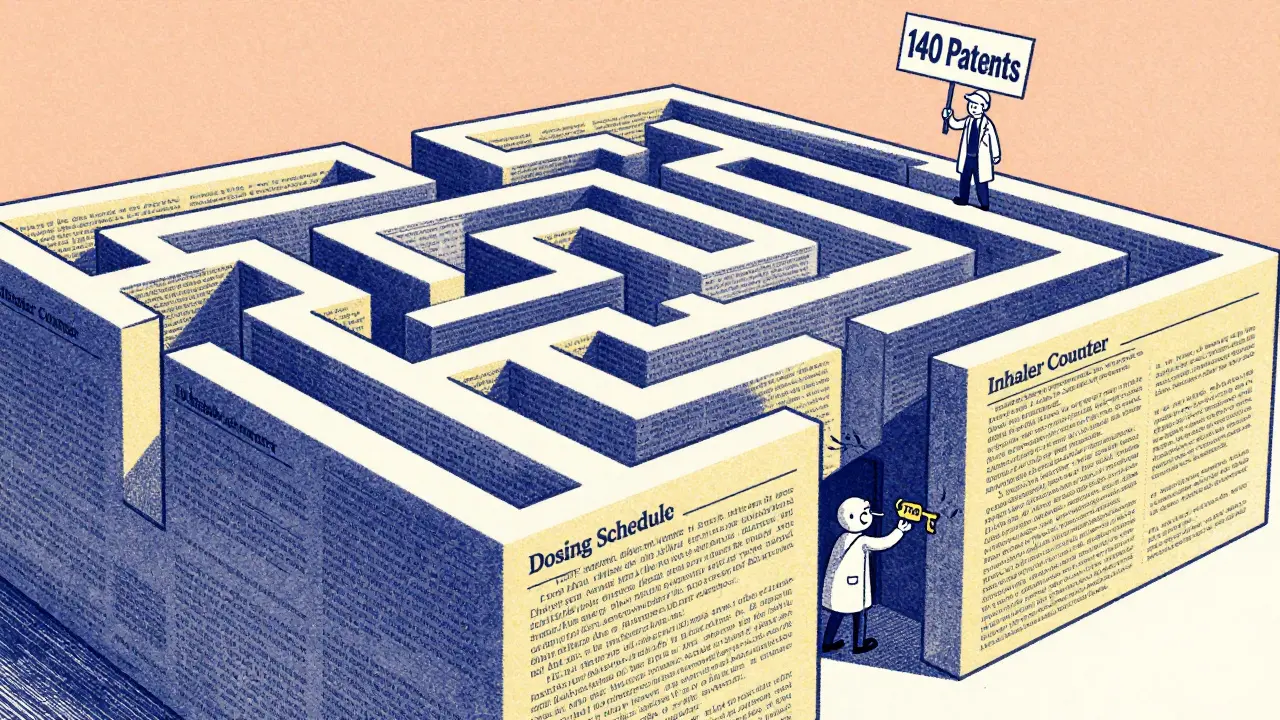
Where the Lawsuits Happen - And Why
Not all courts are created equal. The Eastern District of Texas has become the go-to venue for patent suits. In 2024, it handled 38% of all pharmaceutical patent cases - more than double the next biggest district. Why? Because judges there are experienced in patent law, procedures favor plaintiffs, and juries are seen as more sympathetic to patent holders. Brand companies love it. Generic companies hate it. But they’re forced to play the game where it’s played. Even though the Supreme Court tried to limit forum shopping with the TC Heartland decision in 2017, the Eastern District of Texas quietly clawed back its dominance by 2024. Meanwhile, the District of Delaware and the Western District of Texas are still busy, but they’re no longer the main stage. The battlefield has shifted - and it’s tilted.Settlements: Are They Helping or Hurting?
You hear a lot about “pay-for-delay” settlements - where brand companies pay generics to stay off the market. The FTC calls them anticompetitive. They’ve challenged over 300 improper Orange Book listings in 2024 alone. But here’s the twist: data from the IQVIA Institute shows that, on average, patent settlements actually get generics to market five years earlier than if they fought it out in court. Why? Because litigation is expensive, risky, and slow. If a generic company knows it can win - or even settle with a launch date - it’s often faster than waiting for a trial. John T. O’Donnell, an industry analyst, put it bluntly: “If you limit a generic drug manufacturer’s ability to settle cases, that manufacturer does not settle fewer cases - it submits fewer Paragraph IV ANDAs.” In other words, the threat of endless lawsuits discourages generics from even trying.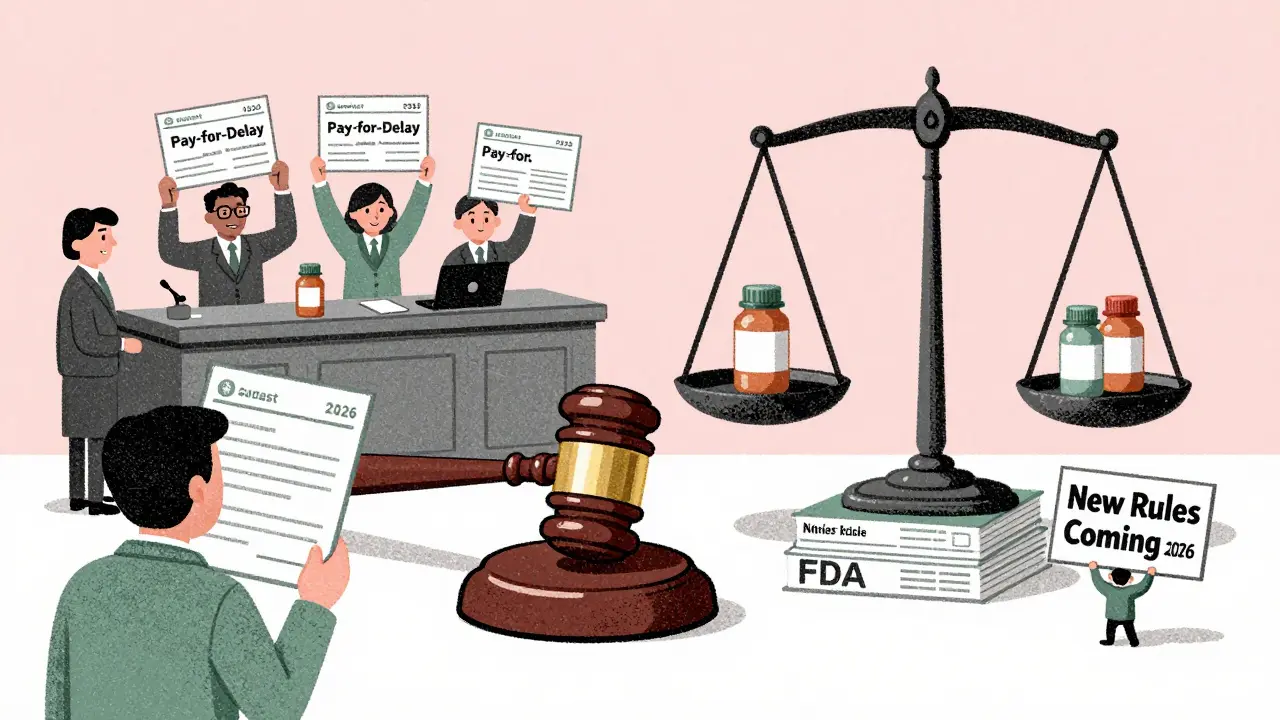
christian ebongue
December 26, 2025 AT 15:52They're listing patents on dose counters? That's not innovation, that's a loophole exploit.
david jackson
December 27, 2025 AT 15:35Let me tell you, this isn't just about money-it's about lives. I have a neighbor who takes Eliquis and pays $500 a month because the generics are stuck in legal purgatory. The Hatch-Waxman Act was supposed to fix this, but now it's just a fancy name for a corporate loophole machine. You've got companies filing patents on packaging, on manufacturing tools, on the damn color of the pill-none of which affect how the drug works. And then they drag it out for years. The Eastern District of Texas? That's not a court, it's a patent casino. Judges there treat every case like a lottery ticket. Meanwhile, generics can't afford to fight 67 patents at once. Even if they win one, the next one pops up like a whack-a-mole. The FTC says $13.9 billion a year? That's a conservative number. Add in ER visits from people skipping doses because they can't afford it, and you're talking real human cost. And don't get me started on the PTAB changes-now you need to prove you're actually going to make the drug before you can even challenge the patent? That's not fairness, that's a death sentence for small generics. This system was built to encourage competition. Now it's built to bury it under a mountain of legal paperwork.
Jody Kennedy
December 29, 2025 AT 15:11WE NEED TO CHANGE THIS NOW. People are dying because of corporate greed disguised as law. Generic drugs save lives, not lawsuits. Let’s push for real reform-sign petitions, call reps, make noise. This isn’t politics, it’s healthcare. And healthcare is a human right.
jesse chen
December 31, 2025 AT 13:06It's just... so frustrating. I mean, I get that companies want to protect their investments, but when you're listing patents on inhaler counters, you're not protecting innovation-you're just stretching out a monopoly. And the fact that the FDA hasn't cracked down yet? That's just... lazy. I hope the new rules in 2026 actually mean something. Otherwise, what's the point of even having regulations?
Joanne Smith
January 1, 2026 AT 17:35Patent thickets are the corporate equivalent of throwing spaghetti at the wall and seeing what sticks. And then, when it sticks, you call it 'intellectual property.' Genius. I love how they call it 'innovation' when it's just legal jiu-jitsu. The fact that a single drug can have 150+ patents? That's not science-that's a legal hedge fund. And the worst part? The people who suffer are the ones who can't afford to wait five more years for a $10 pill. I bet if the CEOs had to pay out of pocket, they'd be first in line to tear up those patents.
Prasanthi Kontemukkala
January 2, 2026 AT 16:40This is such an important issue, and I appreciate how clearly it's laid out. I come from a country where generics are accessible and affordable, and I can't imagine living without them. The fact that innovation is being weaponized against patients is heartbreaking. Maybe we need global pressure-patients, doctors, pharmacists-to demand change. No one should have to choose between medicine and rent.
Angela Spagnolo
January 3, 2026 AT 18:07Wait, so the Orange Book is supposed to be transparent... but they're listing patents on... packaging? That's insane. I mean, if the drug is albuterol, why does the counter matter? That's like patenting the color of the box a toaster comes in. And the court system just lets this happen? I'm not even mad-I'm just... confused. How is this legal? I feel like I'm missing something.
Matthew Ingersoll
January 4, 2026 AT 14:01It's not just about patents-it's about power. The pharmaceutical industry has spent decades lobbying, funding judges, and shaping legislation to lock in monopolies. The Hatch-Waxman Act was a compromise. Now it's a weapon. And the worst part? The public doesn't even know this is happening. We're told generics are cheap and accessible. But when the system is rigged, 'accessible' becomes a myth. This isn't a policy failure. It's a moral one.
carissa projo
January 6, 2026 AT 13:39There's something deeply tragic about a system that rewards legal maneuvering over healing. We've turned medicine into a chess game where the pieces are patents and the board is the human body. Every delay, every lawsuit, every overpriced pill-it's not just a line item on a balance sheet. It's a diabetic skipping insulin. A cancer patient waiting too long. A child whose asthma inhaler costs more than their shoes. The real tragedy isn't that the patents exist-it's that we've normalized this. We've accepted that innovation must be buried under layers of legal smoke and mirrors. And yet, we still call ourselves a compassionate society. Maybe we need to ask: who are we really protecting? The inventors? Or the investors?
josue robert figueroa salazar
January 6, 2026 AT 18:49Big Pharma is a scam. End of story.
Alex Ragen
January 8, 2026 AT 07:24One must consider the metaphysical implications of intellectual property in the context of commodified biology. Are patents on albuterol inhalers not a form of ontological colonization-where the essence of life-saving chemistry is subsumed under the hegemony of corporate abstraction? The Orange Book, as a textual artifact of biopolitical control, functions as a modern-day Book of the Dead, listing the spectral remains of innovation, now entombed in legal parchment. The patient, in this schema, is not a subject of care, but a statistical variable in the calculus of shareholder value. And yet, the PTAB, in its judicial austerity, seeks to impose a Kantian categorical imperative upon a system that has long abandoned moral coherence. We are not merely witnessing legal abuse-we are witnessing the collapse of the ethical contract between science and society.
Lori Anne Franklin
January 9, 2026 AT 22:37Wow this is so eye opening!! I had no idea they were patenting like... the *dose counter*?? That's wild. I thought generics were supposed to be cheaper and faster but this sounds like a nightmare. I hope they fix it soon!!
Bryan Woods
January 11, 2026 AT 16:17The data presented is compelling and aligns with broader trends in pharmaceutical antitrust litigation. The systemic use of regulatory stays and serial litigation undermines the foundational purpose of the Hatch-Waxman Act. While settlements may expedite market entry, they also normalize strategic behavior that distorts competition. Enforcement of FDA certification requirements in 2026 may represent a necessary corrective, provided oversight is rigorous and penalties are meaningful.
Ellie Stretshberry
January 12, 2026 AT 09:20i had no idea this was happening. i take generic meds and always thought they were just cheaper versions. but if they're being blocked like this then... wow. i just hope someone does something soon. people need these drugs. not lawyers.