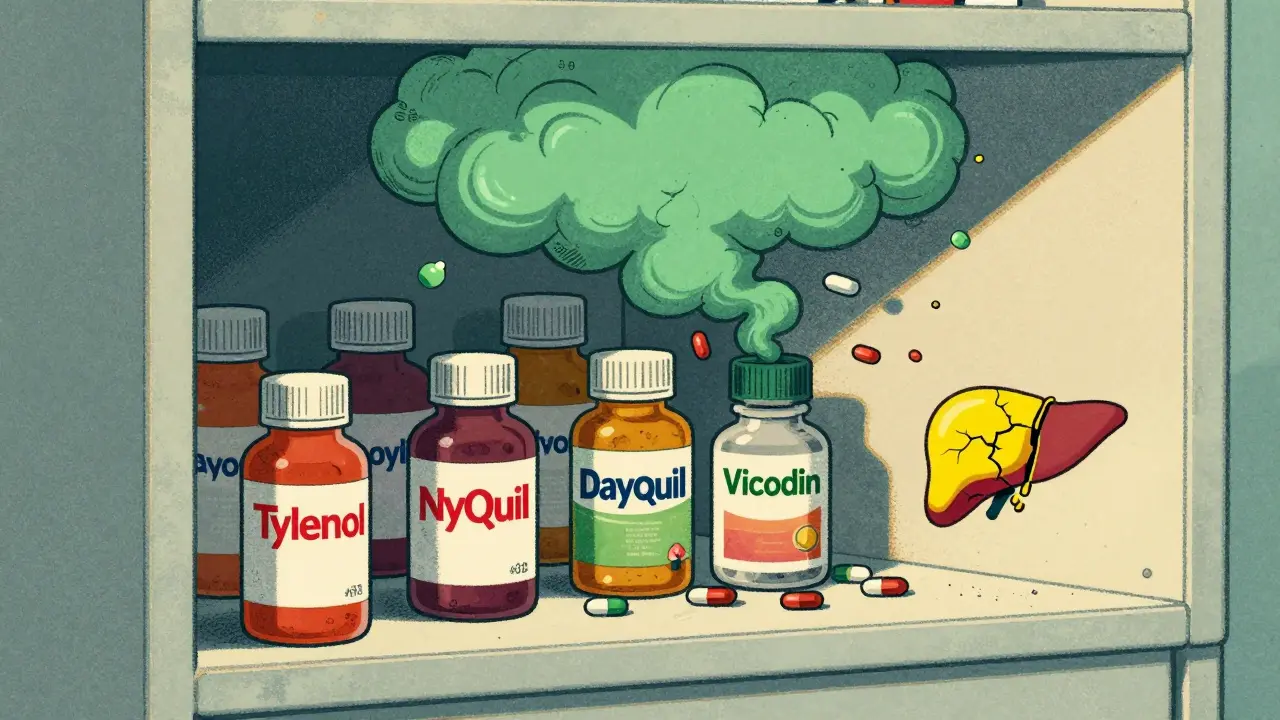
Acetaminophen is in almost every medicine cabinet - and it’s quietly dangerous
You take it for a headache. Your kid takes it for a fever. You grab a cold medicine because you’re feeling under the weather - and it has acetaminophen too. You don’t think twice. After all, it’s acetaminophen. It’s OTC. It’s safe. Right?
Wrong. Acetaminophen, sold under brands like Tylenol, is one of the most trusted pain relievers in the world. But it’s also the leading cause of acute liver failure in the U.S. Every year, more than 56,000 people end up in the emergency room because they took too much. About 500 die. And most of those cases? They weren’t suicide attempts. They were mistakes.
You didn’t mean to overdose. You just didn’t know you were doubling up.
How acetaminophen quietly harms your liver
Acetaminophen works great. It reduces fever and eases pain without irritating your stomach like ibuprofen or aspirin can. But your liver has to break it down. Normally, that’s no problem. Your liver uses safe pathways to process it and flush it out.
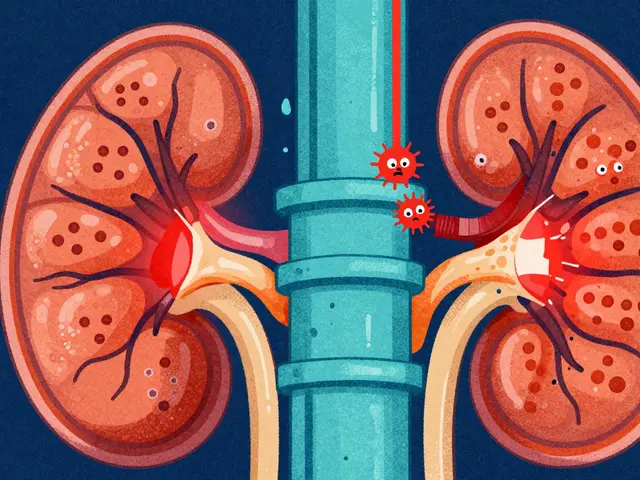
But when you take too much - even just a little over the limit - your liver gets overwhelmed. It starts using a backup pathway that produces a toxic byproduct called NAPQI. Your liver normally neutralizes this with a substance called glutathione. But when you overdose, glutathione runs out. NAPQI starts eating away at liver cells. Within hours, your liver begins to die.
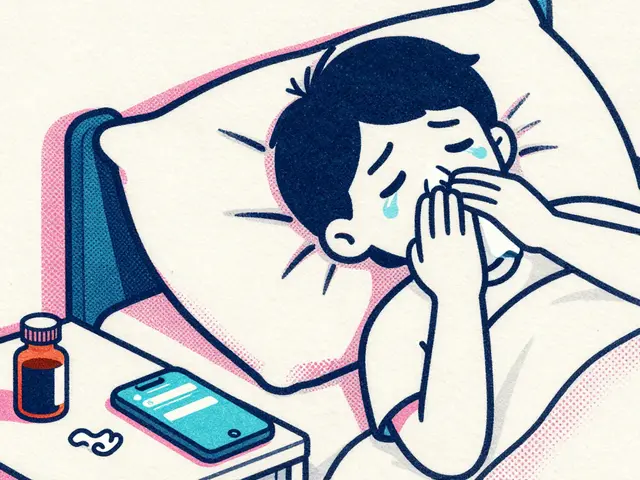
This isn’t a slow burn. It’s silent until it’s too late. You might feel fine for 12 to 24 hours after taking too much. Then, suddenly, nausea hits. Your right side hurts. You turn yellow. Your blood tests show liver enzymes through the roof. By then, damage is already severe.
The numbers don’t lie: What’s too much?
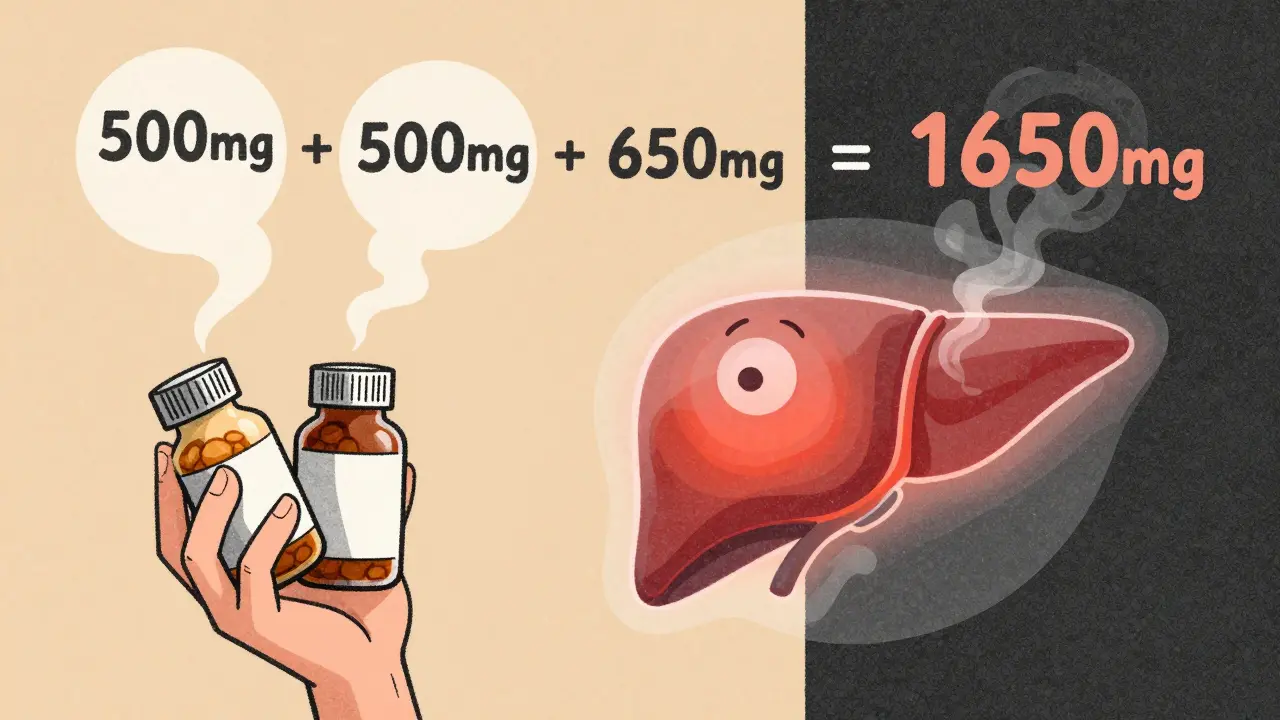
The maximum safe daily dose for adults is 4,000 milligrams (4 grams). That’s eight 500mg tablets. Sounds simple? It’s not.
Here’s the catch: many combination products contain acetaminophen. Cold medicines, flu remedies, sleep aids, and even some prescription painkillers like Vicodin and Percocet all have it. If you take two of these at once - say, Tylenol for your headache and a cold tablet for your stuffy nose - you’re already at 1,000 mg extra. Do that twice a day for a few days? You’re over the limit.
For kids, the limit is even tighter: 10-15 mg per kilogram of body weight per dose, no more than five doses in 24 hours. Giving a 40-pound child an adult tablet? That’s a hospital trip.
And alcohol? Don’t mix it. Just three drinks a day can make your liver much more vulnerable. Even one drink with your nightly Tylenol raises your risk. Studies show people who drink regularly can develop liver damage from as little as 3,000 mg a day - way under the official limit.
Four stages of overdose - and why timing saves lives
Acetaminophen toxicity doesn’t hit like a heart attack. It creeps in four stages:
- Stage 1 (0-24 hours): You might feel off - nausea, sweating, pale skin. But your blood work looks normal. Most people think they just have a stomach bug.
- Stage 2 (24-72 hours): Pain in your upper right abdomen. Liver enzymes start climbing. This is when you should be in the ER - but most people wait.
- Stage 3 (72-96 hours): Jaundice. Confusion. Bleeding risks. Kidneys failing. This is acute liver failure. Half of patients here need a transplant.
- Stage 4 (after 5 days): Either you recover… or you don’t. Untreated, death rates hit 30-40%. Treated? Still 2-4% die.
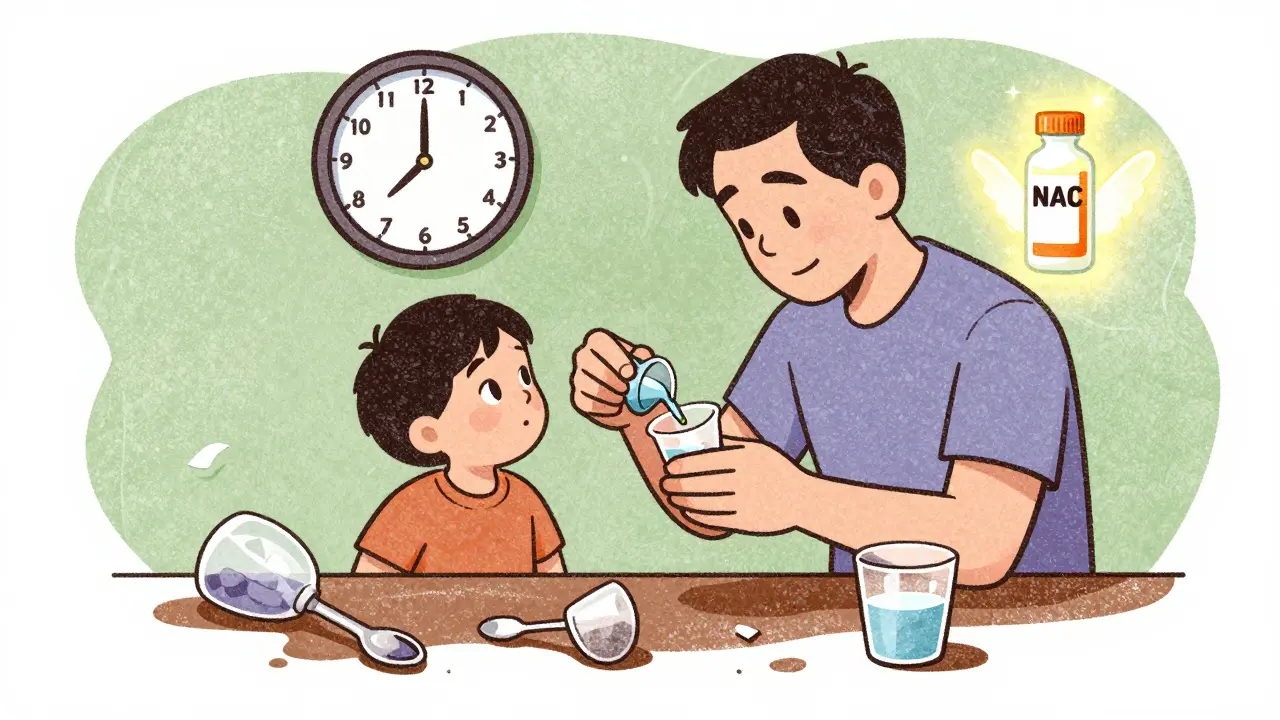
The window for saving your liver is narrow. If you get the antidote - N-acetylcysteine (NAC) - within 8 hours, your chances of full recovery are 90%. After 16 hours? That drops to 60%. If you wait 24 hours? It’s often too late.
Real stories: How people accidentally overdose
Reddit user u/PharmStudent2023 wrote: "I took extra Tylenol on top of my cold medicine not realizing both contained acetaminophen - ended up in the ER with ALT levels over 3,000." ALT is a liver enzyme. Normal is under 40. Over 3,000 means severe damage.
Another person on a liver health forum said: "I took six extra-strength Tylenol over 12 hours for back pain. Felt fine. Then I got violently sick. My liver enzymes were 12 times normal. I didn’t know I was killing my liver."
And the saddest part? These aren’t rare. America’s Poison Centers says nearly half of all acetaminophen overdoses are unintentional. People aren’t trying to hurt themselves. They just didn’t know.
How to prevent an overdose - five clear rules
Here’s what actually works:
- Know the limit: Never take more than 3,000-4,000 mg in 24 hours. If you have liver disease, cut it to 2,000 mg or less. Less is safer.
- Read every label - every time. Look for "acetaminophen" or "APAP" on the Drug Facts panel. If it’s there, you’re taking it. Don’t assume. Don’t guess.
- Never mix products. If you’re taking Tylenol for pain, don’t take NyQuil, DayQuil, Excedrin, or Vicodin. All of them contain acetaminophen. Combine them = overdose.
- Avoid alcohol. Even one drink a day increases risk. Skip it while taking acetaminophen.
- Use the right measuring tool. Never use a kitchen spoon for liquid acetaminophen. A tablespoon is 15 mL - a dosing cup might be 5 mL. That’s a 3x overdose. Use the dropper or cup that came with the bottle.
And if you’re giving it to a child? Use weight-based dosing. Don’t use adult formulas. Don’t wing it. Pediatricians have charts for a reason.
What to do if you think you’ve taken too much
If you realize you’ve taken too much - even if you feel fine - call Poison Control immediately: 1-800-222-1222. Or go to the ER. Don’t wait for symptoms.
Time is everything. The antidote, NAC, works best within 8 hours. Even after 12, it can still help. But after 24? The damage may be irreversible.
Don’t try to "wait it out." Don’t take activated charcoal. Don’t drink milk. Don’t induce vomiting. Just get help.
Why current warnings aren’t enough
The FDA requires a "Liver Warning" on acetaminophen labels. But studies show only 38% of people even recognize that "acetaminophen" is the ingredient they need to watch. Most see "Tylenol" and think it’s separate from "cold medicine." They don’t connect the dots.
Labels are too small. The word "acetaminophen" is buried. Some products list it as "APAP" - a code most people don’t know. The FDA is working on new rules to make the name bigger and bolder. But until then? You have to be the one to read it.
There’s also a new app in development that scans medication barcodes and tells you your total acetaminophen intake. Until that’s everywhere, you’re on your own.
Is acetaminophen still worth it?
Yes - if you use it right.
It’s still the safest painkiller for people with stomach ulcers, kidney problems, or heart disease. It doesn’t raise blood pressure like NSAIDs. It’s gentle on the gut. For most people, taking 650 mg every 6 hours for a few days? Perfectly safe.
The problem isn’t the drug. It’s the confusion. It’s the multiple products. It’s the assumption that "OTC" means "harmless."
Acetaminophen is like a chainsaw. It’s incredibly useful. But if you don’t know how to use it, you’ll cut yourself.
Can I take acetaminophen every day?
Yes - but only if you stay under 3,000 mg per day and don’t drink alcohol. Long-term daily use, even at low doses, can still damage your liver over time, especially if you have other risk factors like obesity or hepatitis. If you need pain relief daily, talk to your doctor about alternatives.
Is Tylenol safer than ibuprofen?
It depends. Tylenol is safer for your stomach and kidneys, but riskier for your liver. Ibuprofen can cause ulcers or kidney strain, especially in older adults or those with high blood pressure. If you have liver disease, avoid Tylenol. If you have kidney issues or a history of stomach bleeding, avoid ibuprofen. Talk to your doctor to pick the right one for you.
What if I took too much but feel fine?
Don’t wait for symptoms. Liver damage can happen without you feeling sick. Call Poison Control (1-800-222-1222) or go to the ER immediately. The antidote works best within 8 hours. Waiting even 12 hours can mean the difference between recovery and a liver transplant.
Can children take adult Tylenol?
Never. Adult Tylenol tablets are 500 mg or 650 mg. Children’s doses are based on weight - usually 10-15 mg per kg. A 40-pound child needs about 180-270 mg per dose. One adult tablet could be 2-3 times too much. Always use children’s formulations and measure with the provided syringe or cup.
Does NAC have side effects?
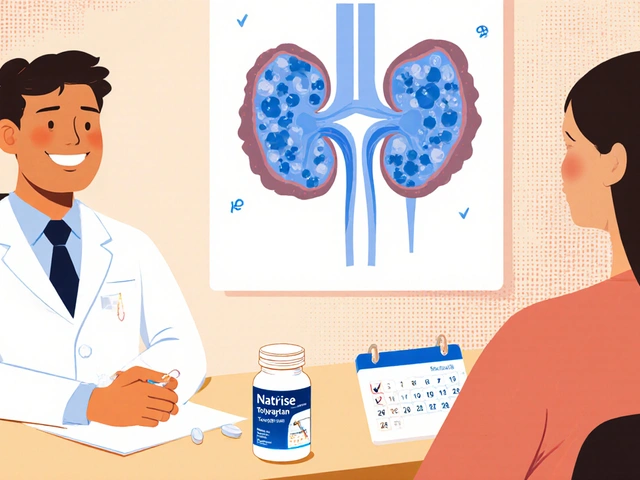
N-acetylcysteine (NAC) is safe when given in a hospital. Common side effects include nausea and vomiting, especially with the oral form. IV NAC can cause flushing, low blood pressure, or rash. But these are far less dangerous than liver failure. The benefits of timely NAC treatment far outweigh the risks.
Are there natural alternatives to acetaminophen?
For mild pain, options like ginger, turmeric, or heat/cold therapy can help. But for moderate to severe pain or fever, nothing replaces acetaminophen’s effectiveness. Natural remedies aren’t regulated, and their safety and dosing aren’t proven. Don’t risk delaying treatment for something unproven.
Final takeaway: Know your meds, protect your liver
Acetaminophen isn’t the enemy. But it’s not harmless either. It’s a powerful tool - and like any tool, it can hurt you if you don’t use it carefully.
Check every label. Add up every dose. Avoid alcohol. Don’t mix products. If you’re unsure - call Poison Control. Save yourself a hospital trip. Save your liver.

Kristina Felixita
January 7, 2026 AT 23:52Annette Robinson
January 8, 2026 AT 17:26Manish Kumar
January 9, 2026 AT 23:58Aubrey Mallory
January 11, 2026 AT 16:33Dave Old-Wolf
January 12, 2026 AT 17:42Molly Silvernale
January 12, 2026 AT 18:15christy lianto
January 13, 2026 AT 02:48Donny Airlangga
January 13, 2026 AT 05:08Molly Silvernale
January 15, 2026 AT 03:02