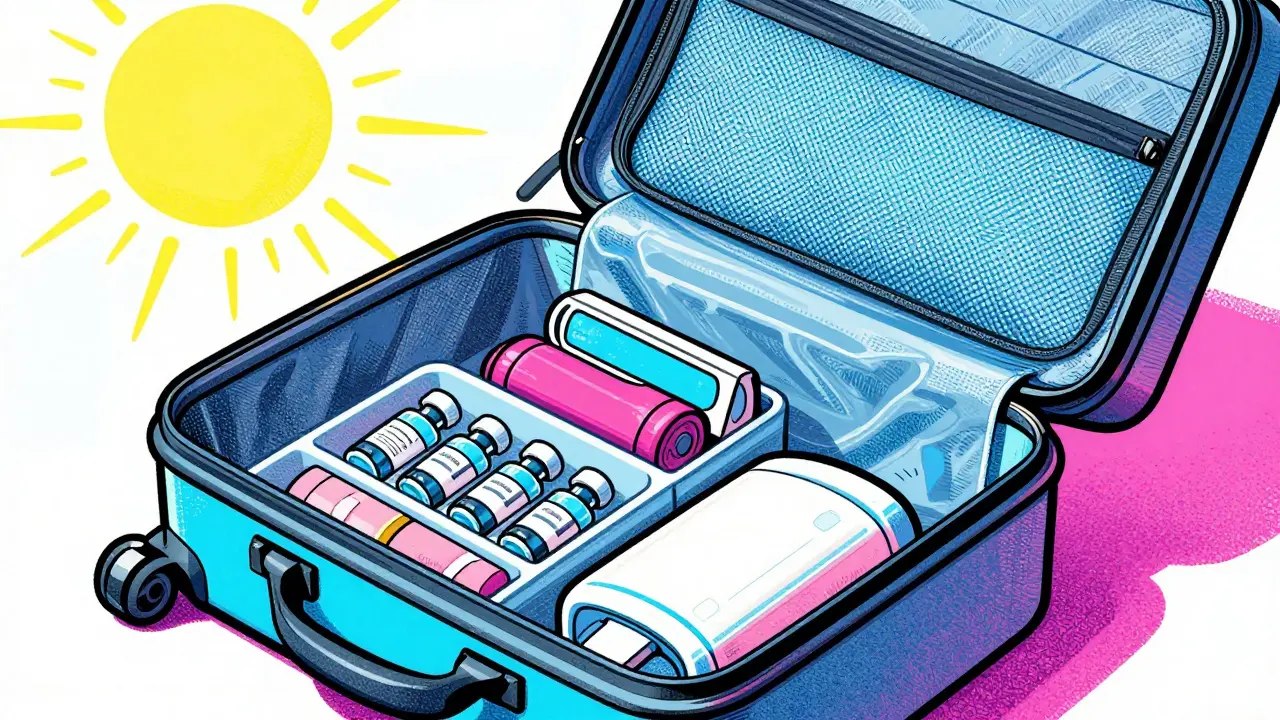
Imagine arriving in Bali, ready for your holiday, only to find your insulin has turned syrupy after sitting in the terminal heat. You might not notice the change immediately, but that medication is no longer safe. Just thirty minutes outside the right temperature range can slash the effectiveness of sensitive drugs by up to 25 percent. We spend money on flights and hotels, yet we often gamble with our most critical health tools because we skip the basics of travel medications.
You need to know exactly how to protect these pills and liquids before you pack your suitcase. It isn't just about throwing everything in a backpack and hoping for the best. This guide breaks down the real science behind keeping your supply intact, from humidity control to navigating airport security.
Understanding Why Storage Conditions Matter
Shelf life isn't just about the expiry date printed on the box. It is about the environmental journey that medicine takes before you swallow it. Most of us assume a tablet stays the same forever, but pharmaceutical compounds are chemical substances that react to their surroundings. Heat, light, air, and moisture break down the active ingredients.
Medication Stability is the ability of a pharmaceutical product to remain within specified quality limits over time when exposed to certain storage conditions. Without stable storage, the therapeutic effect vanishes. According to FDA guidelines established back in the 1980s, temperature-sensitive biologics require strict refrigeration between 2°C to 8°C. Modern research shows that ignoring these parameters costs billions globally in wasted supplies.
The risks get higher with biological drugs. Unlike basic painkillers, proteins like insulin or epinephrine unfold when exposed to heat. A study from the University of Florida showed that Humalog insulin loses 1.2 percent of its potency for every hour it sits at room temperature above the recommended range. Over a week-long vacation, that degradation can render the drug useless.
Temperature Zones You Must Respect
Not all medications play by the same rules. You cannot store everything in a fridge. If you freeze something that shouldn't be frozen, you ruin it just as badly as leaving it in the sun. Categorizing your supplies by their temperature tolerance is step one.
| Medication Type | ||
|---|---|---|
| Room Temperature | Most tablets and capsules | 20°C to 25°C (68°F to 77°F) |
| Cold Chain | Insulin, EpiPens, Biologics | 2°C to 8°C (36°F to 46°F) |
| Light Sensitive | Epinephrine, Nitrates | Opaque containers required |
About 78 percent of medicines work fine at standard room temperatures, usually allowing excursions up to 30°C. However, the remaining portion includes critical lifesavers. Cold-chain products like adalimumab show massive sensitivity; one JAMA study documented a 30 percent loss of efficacy after 48 hours at just 22°C. Freezer-stable specialty drugs need even lower ranges, between -20°C and -15°C. Always check the label for the specific range.
Packing Gear That Actually Works
A simple plastic bag won't cut it if you plan to hike through humid jungles. You need insulation that actively manages heat exchange. Research indicates that medical-grade coolers maintain internal temperatures for 48 to 72 hours. Standard insulated bags often fail after twelve hours in direct sunlight.
If you are flying with injectables, avoid freezing gel packs directly against the vial. Ice packs can drop temperatures below freezing, turning your liquid meds into sludge. Instead, use water-activated cooling wallets like the Frio system. These passive devices rely on evaporation rather than ice. Users report maintaining 38°F to 42°F for two days even in 95°F heat without needing power outlets.
Always keep backups in different locations. Leave one dose in your carry-on and another in checked luggage. Airlines sometimes delay or lose hold baggage, but your immediate health shouldn't wait for them to find it. Having duplicates ensures you don't face a crisis if one container fails.
Navigating Airport Security Without Stress
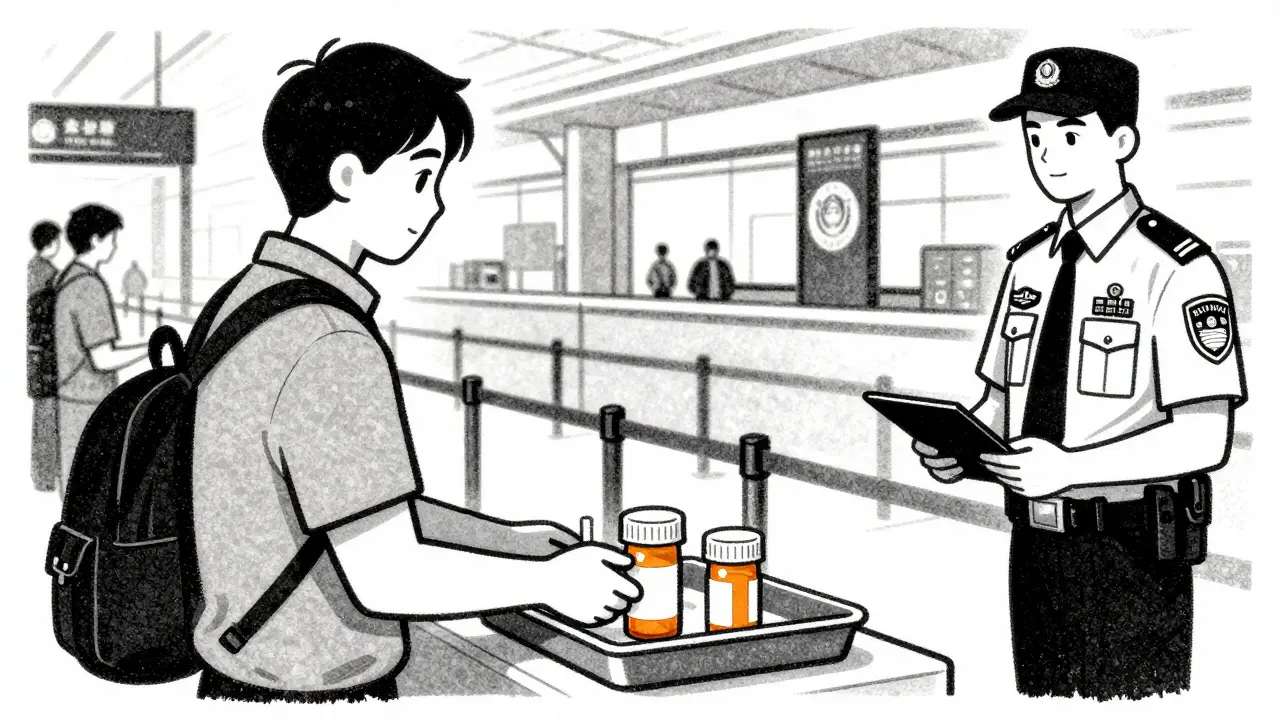
Traffic at the security checkpoint can stress anyone out. Officers are trained to look for dangerous items, but they also have protocols for medical necessities. You want to avoid delays that leave your medication in the bin too long.
TSA Screening Protocol is a set of guidelines governing the transport of liquids and medical devices through airport security checkpoints. Effective January 2024, International Air Transport Association rules require documentation for all refrigerated medications traveling via passenger transport. Declaration at the checkpoint prevents confiscation issues.
Arrive early-two hours for domestic flights, three for international ones. Declare your meds upfront. Do not wrap bottles in ziplock bags for scanning purposes alone; keep them accessible. A significant issue travelers face involves labeling. Customs officers in places like Thailand or the US may confiscate meds in brown paper bags. Regulations mandate original prescription bottles with legible labels showing your name.
Bring a printout of your doctor's letter. It helps immensely if your device looks like a bomb battery or a suspicious liquid. Security staff understand medical needs better when presented with clear proof rather than vague explanations.
Monitoring Conditions in Real Time
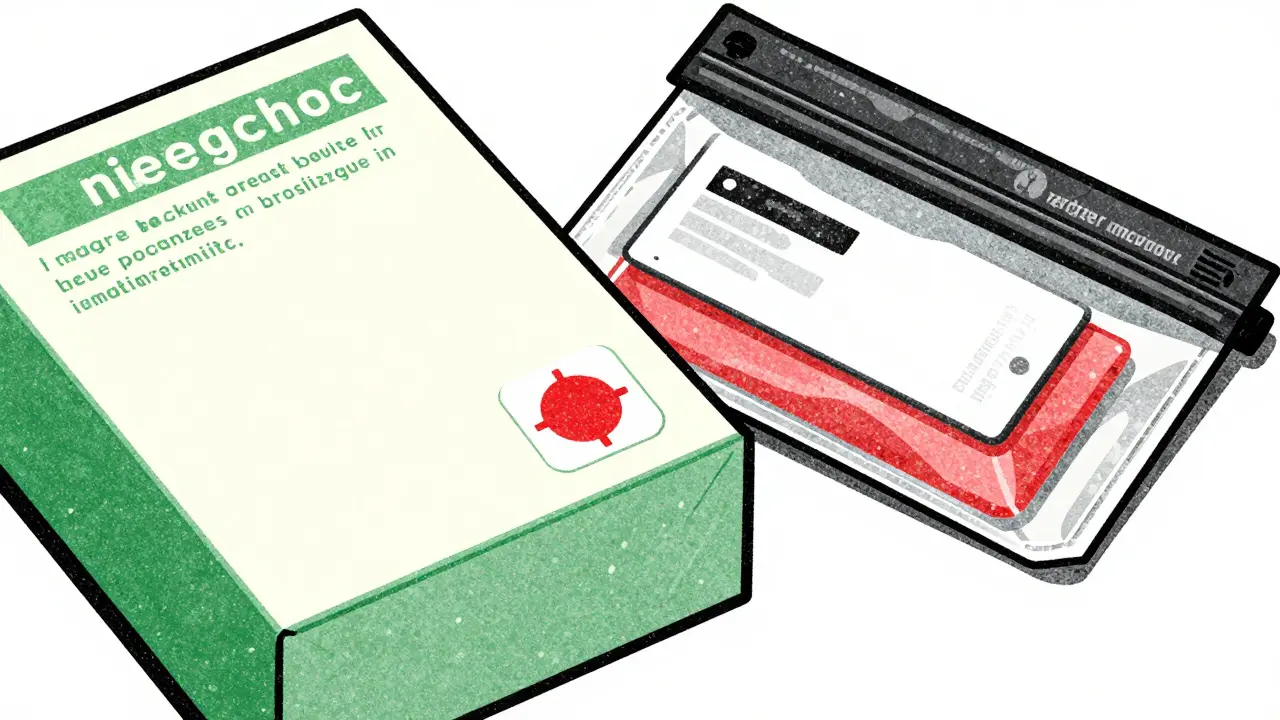
Guessing whether your pill bottle got warm enough to spoil is a bad strategy. Technology now offers a better way. Digital sensors like TempTraq track history data and alert your phone if boundaries are breached. Tests show they detect over 98 percent of temperature excursions when placed next to the meds.
If you lack digital gear, consider thermal labels. The FDA approved the first color-changing stickers in May 2023. Products like TempTrend turn a different color if they experience harmful heat spikes. While you can't reverse damage once the ink changes, knowing early means you can swap to a backup stock before using a compromised dose.
Humidity plays a hidden role here too. Bathroom storage in motels is notorious. Moisture degrades aspirin into vinegar and salicylic acid, which irritates the stomach. Keep your meds in dry zones away from shower steam. A silica gel packet inside the case helps absorb ambient moisture without affecting the pills.
When Things Go Wrong
Despite planning, disasters happen. Maybe your cooler leaks, or the airline leaves your bag in a cargo hold oven for hours. Have a protocol ready.
- Check the visual appearance immediately. Look for clumping, discoloration, or texture changes.
- Contact the manufacturer support line. Many brands have stability experts who can advise if a specific excursion renders the batch unsafe.
- Use a backup supply if available. Do not guess based on how the pill looks.
- Document the issue. Insurance claims often require proof of exposure to gain reimbursement for replacement costs.
A community member on Reddit shared how they saved an insulin trip in Southeast Asia by swapping to a water-activated gel wallet mid-journey after realizing their cooler had melted in the taxi ride. Quick adaptation prevented a missed dose situation.
Remember that expired does not always mean dangerous, but compromised does. Potency drops mean side effects might not happen as intended, potentially leading to unmanaged symptoms while you are far from home. Safety margins matter more when you are in a foreign hospital system.
Can I take liquid medication in my carry-on bag?
Yes, liquid medications are exempt from the standard 3.4-ounce limit for carry-ons. However, you must declare them at security screening. They do not need to be placed inside a quart-sized bag like toiletries, though separating them speeds up the process.
What is the maximum time insulin can stay out of the fridge?
Most insulin pens are stable at room temperature for approximately 28 days, but this varies by brand. Humalog typically maintains potency within that window as long as temperatures stay below 30°C. Once opened, do not return unused portions to the refrigerator.
Do I need a doctor's note for travel?
It is highly recommended to carry a signed letter from your healthcare provider stating the necessity of the prescribed drugs. International border control agents often request this document alongside your prescription bottles.
Can I buy generic substitutes abroad?
It is risky. Generic formulations differ across regions due to manufacturing variations. Stick to your original supply chain whenever possible to ensure consistent dosage strength and purity.
How do I handle controlled substances?
Controlled meds require extra scrutiny. Some countries ban common prescriptions like ADHD medication or opioids. Check the embassy website of your destination country specifically regarding banned substances before booking flights.

sanatan kaushik
March 31, 2026 AT 02:50Honestly people in my part of the world ignore these warnings until they get sick. You cannot trust the airline cargo hold to keep insulin cool at all. Heat destroys the protein chains before you even board the plane. Always carry your backup supply in your own hand luggage. Do not listen to security guards telling you to leave bags unattended.
Ruth Wambui
April 2, 2026 AT 00:38The whole expiry date system smells like planned obsolescence designed to sell us new batches constantly. Pharma giants likely profit most when people panic and buy replacements at tourist pharmacies. Why would they want cheap stable drugs to last longer in your pocket than advertised. We are basically guinea pigs for their thermal stability tests right now. The chemical bonds might fail earlier than the label claims due to hidden additives. Trust no company to put your health above their quarterly earnings report.
Rick Jackson
April 2, 2026 AT 19:52There is a kernel of truth in the skepticism regarding corporate motivations here. Yet the biophysics of protein denaturation remains absolute regardless of profit margins. Ignoring objective data because we suspect hidden agendas leads to worse outcomes. We should focus on the empirical evidence available from independent studies.
Beccy Smart
April 3, 2026 AT 06:53Just keep your meds in your pocket and stop using hotel bathrooms you lazy idiot 😂💊
Christopher Curcio
April 4, 2026 AT 23:58Your sarcasm masks a valid concern regarding hygroscopic degradation in high humidity environments. Bioavailability drops significantly when moisture interacts with lactose fillers in standard tablets. We must consider the thermodynamic equilibrium between the container and the ambient air pressure. Ignoring the water activity parameter risks clinical failure upon administration later. Please consult a pharmacist who understands excipient chemistry before dismissing storage protocols lightly.
Angel Ahumada
April 5, 2026 AT 05:39People always think the bottle says the truth about safety. You see the expiration date and feel secure. That security is often just a legal shield for the maker. They do not care if you take a trip to the tropics. They only care about their liability during testing conditions. Real life storage varies wildly from the lab environment. Humidity ruins things faster than dry heat does sometimes. You pack your bags without thinking about molecular structure. The chemicals break down into inactive sludge quietly. You swallow nothing useful when you are far from home. Insurance does not pay for preventable biological failures easily. We treat our bodies as separate from the physical laws. Entropy demands payment eventually no matter what you hide. Your cooler bag is a temporary defense against chaos itself. Respect the science or face the consequences alone.
Carolyn Kask
April 7, 2026 AT 04:20Somehow only Americans obsess over reading every single label like this nonsense. Overseas pharmacies stock generics that work perfectly fine without all this baggage checking. Our bureaucracy creates unnecessary stress that foreign travelers just do not understand. Stop being so afraid of your own government regulations and fly normal. Security knows the difference between a bomb and a syrup bottle already. Acting like we are fragile victims helps nobody pass through terminals efficiently.
Katie Riston
April 7, 2026 AT 07:17The philosophical implication of relying on expired mechanisms for our bodily continuity is quite profound indeed. We place immense faith in the promise of industrial manufacturing standards to protect our lives. When we venture beyond our borders we strip away the social contract that ensures those standards. The pill becomes a relic of commerce rather than a vessel of healing in transit. It raises the question of where our autonomy ends and corporate responsibility begins. Are we merely consumers purchasing temporary cures or patients demanding sustained wellness. The answer lies in how we manage the material reality of our prescriptions. Neglecting the environmental factors invites a confrontation with nature we are ill-prepared for. We must acknowledge that our health infrastructure follows us only if we carry the proof of its existence.
Jonathan Sanders
April 8, 2026 AT 05:39I am exhausted reading all this doom and gloom about melting pills everywhere. Nobody actually dies from a slightly warm ibuprofen sitting in a suitcase for a night. People project their deepest fears onto harmless plastic vials instead of living their lives. It is so draining to scroll through endless lectures on airport security logistics. Just take the meds and hope for the best outcome. We waste so much mental bandwidth worrying about hypothetical scenarios that rarely happen. This community is collectively anxious over basic physics problems.