Antihistamine Selection Assistant
Not all non-drowsy allergy medications are the same. Select the priority that matches your needs to see which common second-generation antihistamine might be the best fit for you.
Fast & Powerful
I need the strongest relief quickly and can tolerate a small risk of mild drowsiness.
Standard & Safe
I want a reliable, widely available option with a very low risk of sedation.
Zero Drowsiness
I absolutely cannot have any brain fog or sedation for work or driving.
-
Please select an option above.
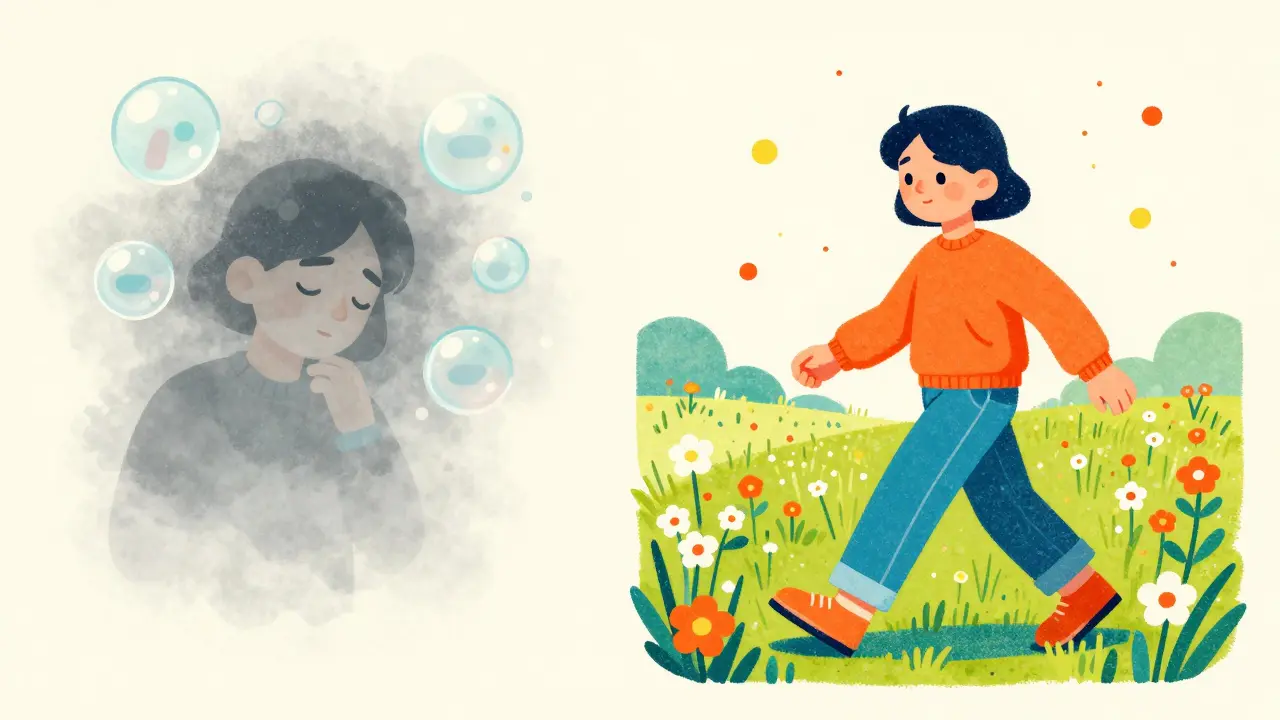
Ever feel like you're fighting a losing battle with seasonal allergies, only to find that the medicine making your nose stop running also makes you feel like you've slept for twelve hours? You're not alone. For years, the trade-off for clear sinuses was a foggy brain. That's why second-generation antihistamines were developed-to stop the itch and the sneeze without knocking you out mid-day. Whether you're dealing with hay fever, pet dander, or a random hive breakout, these modern options offer a way to stay functional while keeping symptoms under control.
Most of us just want a pill that works and doesn't make us nod off during a meeting or while driving. While first-generation drugs like diphenhydramine (the active ingredient in Benadryl) are great for an occasional allergic reaction or helping you sleep, they aren't practical for daily life. Second-generation options changed the game by targeting the peripheral tissues in your body while ignoring the brain, meaning you get the relief without the heavy sedation.
What exactly are second-generation antihistamines?
In simple terms, Second-generation antihistamines is a class of H1-receptor antagonists designed to treat allergic conditions with significantly fewer sedative effects than their predecessors. They are the modern standard for managing allergic rhinitis (hay fever), urticaria (hives), and pruritus (itching).
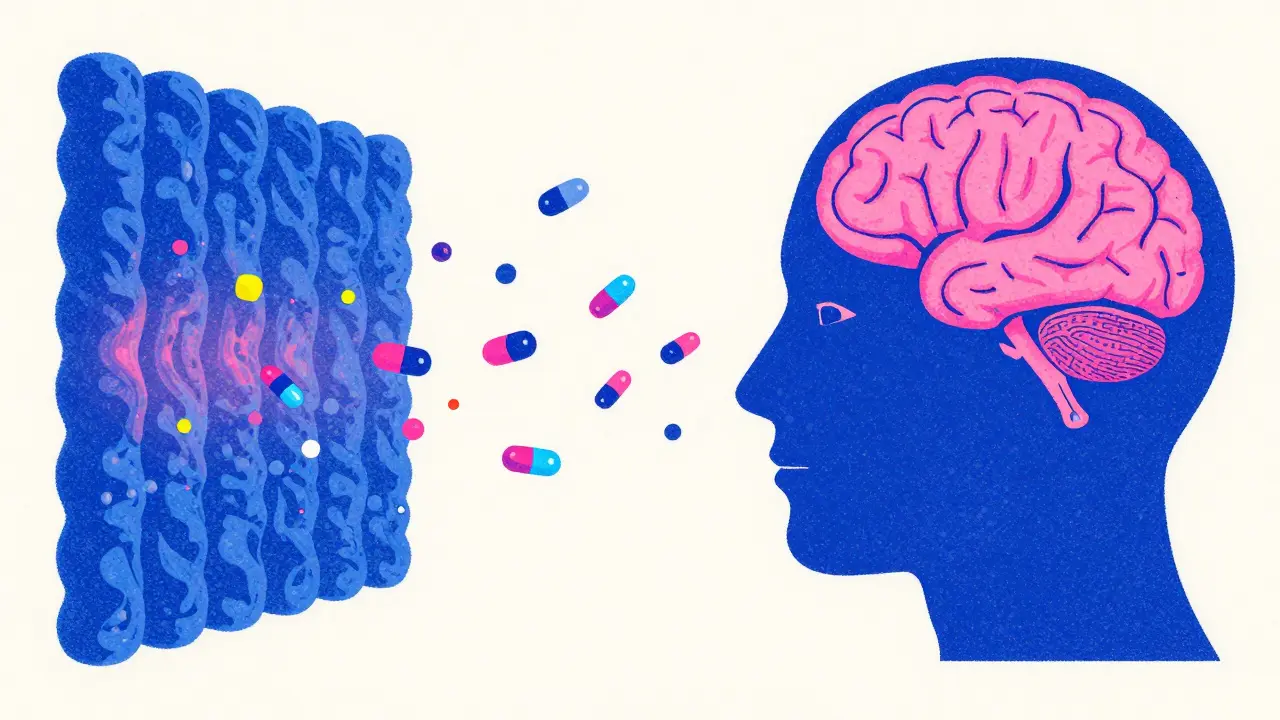
The secret to why they don't make you sleepy lies in their chemistry. These molecules are "lipophobic," meaning they don't dissolve well in fats. Because the blood-brain barrier is essentially a fatty wall, these drugs struggle to cross into the central nervous system. Instead, they stay in the peripheral tissues, blocking the H1 receptor -the docking station where histamine attaches to trigger your allergy symptoms. By occupying that spot, the medication prevents the histamine from causing your eyes to water or your skin to itch.
Comparing the Big Three: Cetirizine, Loratadine, and Fexofenadine
Not all non-drowsy antihistamines are created equal. Depending on your body chemistry, one might work like a charm while another does nothing. Here is how the most common options stack up:
| Entity | Common Name | Typical Dose | Half-Life | Key Characteristic |
|---|---|---|---|---|
| Cetirizine | Zyrtec | 10mg | ~8.3 hours | Fast-acting, but slightly more likely to cause mild drowsiness. |
| Loratadine | Claritin | 10mg | 8-18 hours | Very low sedation risk, widely available. |
| Fexofenadine | Allegra | 180mg | 11-15 hours | Truly non-sedating; minimal liver metabolism. |
If you've tried one and felt a bit sleepy, don't give up. For example, Cetirizine is often praised for its potency, but some users report a bit more "brain fog" compared to Fexofenadine, which is generally considered the most "purely" non-sedating of the group.
The Trade-Offs: What They Can and Can't Do
While these drugs are a lifesaver for itching and sneezing, they have a few blind spots. The biggest one? Nasal congestion. If you feel like your nose is completely plugged up, a second-generation antihistamine probably won't clear it. This is because congestion is often caused by blood vessel inflammation that antihistamines don't effectively target.
This is why you'll often see "-D" versions of these drugs, such as Allegra-D. The "D" stands for decongestant (usually pseudoephedrine). By combining the antihistamine with a decongestant , you get the double hit of stopping the drip while shrinking the swollen nasal passages. Just be careful with these combinations, as decongestants can raise your blood pressure or keep you awake at night.
Another interesting quirk is their effect on colds. If you have a viral upper respiratory infection, these modern antihistamines generally won't stop your sneezing. First-generation drugs are actually better here because they block acetylcholine receptors in the nose, which triggers a drying effect. Second-generation drugs are more surgical-they only care about histamine, which is great for allergies but less helpful for a common cold.
How to get the most out of your medication
Taking a pill only after you've already started sneezing is like putting out a fire after the house has burned down. To get the best results, you want the medication in your system *before* you hit the pollen peak. Experts recommend taking your dose 1 to 2 hours before you go outside or encounter your trigger. This proactive approach can lead to a 40-50% better reduction in symptoms compared to using the meds on an as-needed basis.
If you're trying to figure out which one is right for you, a bit of trial and error is normal. About 35% of people have to try a few different brands before finding the "sweet spot" where efficacy is high and side effects are low. Start with one and give it a few days. If you experience headaches or a strange taste in your mouth, switch to another of the big three.

Safety and Long-Term Use
Are these safe to take every day during allergy season? For most people, yes. They are metabolized primarily by the liver using the CYP3A4 enzyme system . However, it's worth noting that older versions of these drugs (like terfenadine) had to be pulled from the market in the late 90s due to heart rhythm issues. The modern versions we use today, like fexofenadine, have a much cleaner safety profile and don't carry those same cardiac risks.
One thing to watch out for is the interaction with other meds. While rare, if you're on a complex regimen of prescription drugs, a quick chat with your pharmacist is a good move. Most of these are available over-the-counter (OTC), but that doesn't mean they are devoid of interactions.
What's next for allergy relief?
The science isn't stopping. Researchers are using cryo-EM structural analysis to look at the H1 receptor in microscopic detail. They've discovered new "binding sites" that could lead to third-generation antihistamines. The goal? Even more precision, zero drowsiness, and perhaps finally tackling that stubborn nasal congestion without needing extra decongestants.
We're also seeing a shift toward extended-release formulations. Some newer options are moving toward once-weekly doses, which would be a huge win for the 37% of people who struggle to remember to take a pill every single morning. As climate change increases pollen counts, these advancements are becoming more than just a convenience-they're becoming a necessity for millions of people.
Do second-generation antihistamines cause drowsiness for everyone?
While they are designed to be non-sedating, a small percentage of people still experience drowsiness. For example, clinical trials show rates between 6% and 14%, though real-world user reports for cetirizine can be higher. If you find one makes you sleepy, try fexofenadine, which is generally the least sedating option.
Why doesn't my non-drowsy allergy pill help with a stuffed-up nose?
Antihistamines block histamine, which stops itching and sneezing, but they don't effectively shrink the swollen blood vessels in your nasal passages. To treat congestion, you usually need a decongestant or a corticosteroid nasal spray.
Can I take these every day during the spring?
Yes, second-generation antihistamines are generally safe for daily use throughout an allergy season. They have a long duration of action (12-24 hours), making once-a-day dosing effective for most users.
Which is better: Zyrtec, Claritin, or Allegra?
There is no single "best" one; it depends on your reaction. Cetirizine (Zyrtec) is often cited as very potent but can cause mild drowsiness in some. Loratadine (Claritin) is a great middle-of-the-road option. Fexofenadine (Allegra) is typically the best choice for those who absolutely cannot have any sedative effects.
How long does it take for these medications to start working?
Most second-generation antihistamines reach peak plasma concentration within 1 to 3 hours. For the best results, take them a few hours before you expect to be exposed to allergens.