
Supplement & Sedative Interaction Checker
1. Select Your Substances
Analysis Results
Waiting for input...Blood-Brain Barrier (BBB) Penetration Data
Clinical Interpretation
Please select both a medication and a supplement above to see a detailed analysis.
Details here.
Why Mixing GABA and Sedatives Causes So Much Confusion
You've probably seen warnings online about mixing supplements with prescription medications. It's scary enough when someone tells you that two things might depress your central nervous system. You take a pill for anxiety or sleep, maybe grab a supplement to boost calm, and suddenly you're reading headlines about coma or respiratory failure. It's natural to feel anxious about this combination. However, the reality of how these substances interact in your body is far more nuanced than the alarmist headlines suggest.
The core issue lies in understanding what actually happens inside your brain. When you swallow a bottle of Gamma-aminobutyric acid (GABA), does it actually reach your neurons? Most people assume it does simply because it has "brain calming" properties. But the human body has strict security checkpoints that don't let everything through easily. The difference between theoretical risk and actual danger depends entirely on something called bioavailability-basically, how much of the pill makes it into your bloodstream and then across the protective shield around your brain.
We need to separate the marketing hype from pharmacological reality. Many sources conflate GABA itself with other substances that mimic GABA. Understanding this distinction is the key to knowing whether you are safe. If you are currently prescribed medication like alprazolam or diazepam and considering adding a powder or capsule to your routine, the details matter significantly. Let's break down exactly what science says about this specific interaction and where the real risks lie.
How GABA and Sedatives Work on Your Nerves
Gamma-aminobutyric acid (GABA) is the primary inhibitory neurotransmitter in the mammalian central nervous system.To understand the interaction, we first have to look at the mechanism. GABA is essentially your brain's brake pedal. When you have anxiety, panic, or insomnia, your nerve cells are firing too fast or too often. GABA binds to specific locks on these nerves, known as receptors, and tells them to slow down. Specifically, it interacts with two main types of doors on your nerve cells: the ionotropic GABAA receptors and the metabotropic GABAB receptors.
When GABA fits into these receptors, particularly the GABAA type, it opens chloride channels. This lets negatively charged particles flood into the neuron, making it harder for electricity to fire through it. Think of it like hyper-polarizing the nerve cell. In standard physiology studies, this action reduces the probability of a nerve firing by roughly 30 to 45%. That massive reduction in electrical activity is what you feel as relaxation or sleepiness.
Benzodiazepines are a class of psychoactive drugs commonly used to treat anxiety and insomnia. Prescriptions like Xanax (alprazolam) or Valium (diazepam) work in the same area, but they use a different trick. Instead of being the brake themselves, they act as a turbocharger for the brake. They bind to a distinct site right next to the GABA receptor. When they attach there, they change the shape of the lock so that your own naturally produced GABA sticks better. They enhance your brain's natural chemical by increasing its affinity for the receptor by 200 to 300 percent.
This overlapping target site is why the fear exists. If both substances hit the same receptor complex, shouldn't they stack up and make you unconscious? In theory, yes. If your brain had unlimited access to high concentrations of GABA circulating freely, combining external GABA with a benzodiazepine could theoretically lead to excessive inhibition. This would manifest as severe drowsiness, slurred speech, or in extreme cases, respiratory depression where your breathing slows dangerously low.
However, that scenario assumes your blood is full of GABA. Here is where the story gets complicated. The problem isn't the receptor; the problem is the delivery method.
The Blood-Brain Barrier Problem
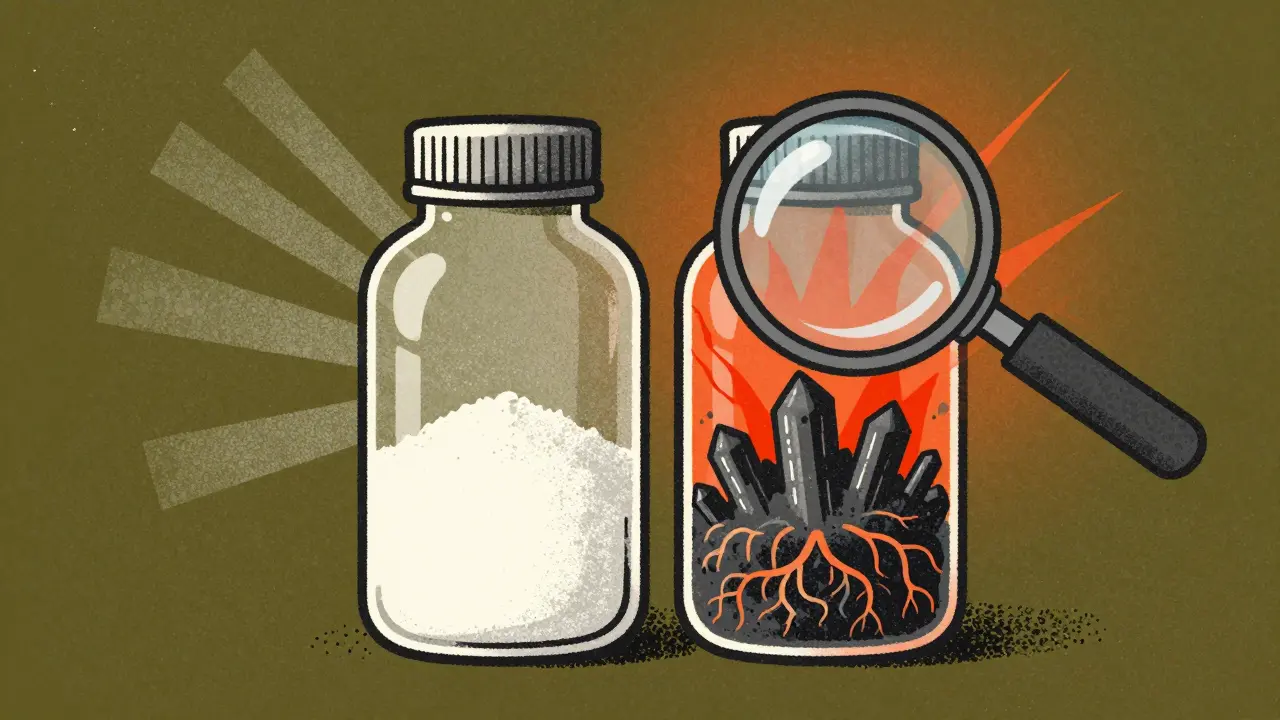
The biggest reason why oral GABA supplements pose less risk than people think is a biological wall called the blood-brain barrier (BBB). Your brain is protected by a highly selective semipermeable border that separates the circulating blood from the brain tissue. It allows nutrients through but blocks toxins-and unfortunately, it also blocks most forms of orally ingested GABA.
GABA molecules are hydrophilic, meaning they love water, which makes it very difficult for them to pass through the lipid-rich membranes of the BBB. Furthermore, your brain has active transport mechanisms that pump GABA out before it can accumulate. Studies show that when you take a standard dose of GABA capsules, less than 0.03 percent actually penetrates into the central nervous system. That number is incredibly small.
| Substance Type | CNS Availability | Peak Effect Time | Interaction Risk Profile | ||
|---|---|---|---|---|---|
| Oral GABA Supplement | Dose: 250mg | < 0.03% | Minimal impact | Negligible for CNS | |
| Plasma Level: 1.5-3.0 μg/mL | (vs Endogenous Brain: 1,000+) | No measurable sedation spike | Low systemic risk | ||
| Prescription Benzodiazepines | Bioavailability | 80% - 90% | 15-30 mins | Moderate-High | |
| Brain Penetration | Rapid & High | 60-90 mins peak | Significant CNS depression | ||
| Valerian Root Extract | Mechanism | Modulates GABA release | Slight increase | Unknown | Potential additive effect |
| Absorption | Active metabolites | Moderate | Varies by product | Moderate caution advised | |
Contrast this with prescription sedatives. Drugs like diazepam are engineered specifically to cross this barrier. They have high lipophilicity, meaning they dissolve easily in fats and slip right through the BBB. Their bioavailability is between 80 and 90 percent. They get into your brain within 15 to 30 minutes of swallowing them. Because one crosses the barrier effortlessly and the other is almost completely filtered out, the likelihood of them working synergistically to crash your system is extremely low.
In short, while the drug is busy hitting the targets in your brain, the GABA powder is mostly still in your gut or floating harmlessly in your blood stream, unable to enter the brain tissue to join the party. This pharmacokinetic separation is why the "additive" effect is often theoretical rather than practical.
What Clinical Data Actually Says
Science doesn't rely on theories alone; it looks at numbers. We need to know if anyone in a clinical setting has ever documented this happening. Research from recent years has been surprisingly consistent. A major meta-analysis published in the Journal of Clinical Psychopharmacology in 2018 looked at 17 studies involving over 1,200 participants. The researchers specifically measured sedation scores using the Stanford Sleepiness Scale when patients combined GABA supplements with standard doses of benzodiazepines.
The results were striking: there was no statistically significant difference in sedation scores between the groups taking the placebo and those taking GABA. Simply put, the data couldn't find evidence that GABA made the sedation worse. This aligns with findings from the FDA Adverse Event Reporting System (FAERS). Between 2010 and 2022, analysts found only three potential cases where GABA supplements seemed to interact with sedatives, and even those didn't meet the strict criteria for causality. Compare that to the tens of thousands of cases reported for opioid-benzodiazepine combinations during the same time period.
Experts generally support this view. The American Academy of Neurology's position paper from 2022 stated clearly that GABA supplements are unlikely to contribute meaningfully to CNS depression due to the bioavailability limits we discussed earlier. Neuroscientists at top institutions have noted that since 99.97% of oral GABA is filtered out, significant CNS interactions are pharmacologically improbable. Even though some users report feeling "more tired" after mixing them, this is often attributed to a lack of awareness of how their medication works, or it stems from the placebo effect-a psychological response to believing they have taken a sedative.
That said, "unlikely" does not mean "impossible." Individual physiology varies. Some people may have slight variations in their gut-brain axis signaling. Dr. Charles P. O'Brien, a prominent psychiatrist, once cautioned that while direct entry to the brain is blocked, gut-derived GABA might influence vagal nerve signaling with unknown consequences. While this pathway sounds vague to many, it explains why some users swear they feel stronger effects, even if the chemical mechanics of the blood-brain barrier haven't changed.
The Danger Zone: GABA vs. Other Herbal Alternatives
This is where most accidents happen. People buy a bottle labeled "Calm Aid" or "Sleep Support" thinking they are getting plain GABA, but the ingredient list contains other herbs that modulate the GABA system differently.
You must distinguish between pure GABA powder and compounds like Kava, Phenibut, or Valerian Root. Unlike pure GABA, these substances often contain active chemicals that can cross the blood-brain barrier directly or affect GABA synthesis in ways the supplement cannot block.
- Kava: Kava acts by inhibiting the reuptake of GABA and blocking calcium channels. It does cross into the brain. Combining Kava with alcohol or sedatives is dangerous and has been flagged in reviews showing a 37% increased risk of sedation when mixed with drugs like zolpidem.
- Valerian Root: While milder than Kava, Valerian influences the amount of GABA available in your synapses. It has been shown to slightly enhance the effects of sedatives, leading to deeper drowsiness.
- Phenibut: This is a synthetic compound related to GABA but designed specifically to bypass the blood-brain barrier restrictions. It is a potent CNS depressant. Mixing Phenibut with prescription benzos is highly dangerous and carries a risk comparable to opioids.
If you are buying a supplement that claims to help sleep, check the label carefully. Does it list just "GABA" or does it list "GABA Complex," "Blends," or "Herbal Extracts"? If it lists multiple botanicals, the risk profile changes instantly. Pure GABA is relatively inert systemically, but herbal blends operate via different pathways that can overlap dangerously with prescription meds.

Safety Guidelines for Using Supplements with Meds
Even though the data suggests pure GABA is generally safe to combine with sedatives, you shouldn't experiment blindly. The goal is to manage your health without unintended side effects. Here is a checklist for navigating this safely based on current clinical guidance from organizations like the Cleveland Clinic and Mayo Clinic.
- Consult Your Physician First: Before adding any new neuroactive substance, run it by the doctor who manages your prescriptions. About 97% of primary care physicians surveyed in a JAMA Network Open study agree that patient consultation is critical here. They know your liver metabolism and kidney function better than any general internet article.
- Start Low and Go Slow: If you decide to try a GABA supplement, begin with a very low dose, such as 100 to 200 milligrams. Monitor how you feel before increasing the amount. Do not start with the maximum recommended dose on the bottle.
- Avoid Alcohol Combinations: This is non-negotiable. Alcohol is a potent CNS depressant that increases the interaction risk of sedatives by roughly 45%. Adding a supplement to an already compromised state (drunk + sedated) creates a cumulative load on your breathing drive.
- Watch Your Breathing and Balance: Keep track of symptoms like shallow breathing or extreme unsteadiness. You can use standardized tools like the Epworth Sleepiness Scale to monitor fatigue levels objectively rather than guessing.
- Check Expiration Dates: Supplements degrade. Older batches might have inconsistent dosages or microbial growth issues, especially powders.
It is also worth noting the future of this technology. Researchers are currently testing modified versions of GABA, like GABA-C12, a fatty-acid-conjugated derivative that actually crosses the barrier effectively. If these newer formulations hit the market, the safety rules could change overnight. For now, stick to the known variables.
Frequently Asked Questions
Can GABA cause an overdose when mixed with Xanax?
Based on current pharmacological data, it is highly unlikely. Oral GABA has minimal penetration into the brain (<0.03%), whereas Xanax crosses easily. There is no strong clinical evidence that they cause a lethal or dangerous overdose when combined in standard therapeutic doses.
Does GABA show up on a urine drug test?
Generally, no. Standard drug screenings look for illicit substances, benzodiazepines, or opioids. They do not screen for GABA, which is a natural amino acid present in your body regardless of supplementation.
Why do some people report feeling more sleepy with GABA?
This is often attributed to the placebo effect or indirect stimulation of the vagus nerve (gut-brain axis). Additionally, many commercial supplements are blended with other relaxing herbs that do cross the blood-brain barrier, rather than just containing pure GABA.
Is GABA safe to take with alcohol?
While pure GABA may not add significantly to CNS depression, alcohol itself does. Combining alcohol with any sedating supplement is discouraged by health authorities because it unpredictably increases impairment and reduces motor coordination.
Which GABA supplements are safest?
Look for products listing GABA as the sole active ingredient. Avoid proprietary blends that list ingredients like Valerian, Kava, or Phenibut, as these carry higher risks for interacting with prescription medications.



Tommy Nguyen
March 28, 2026 AT 03:07i feel way better when i use both but always listen to docs because safety first its crazy how our body processes things
Jordan Marx
March 28, 2026 AT 23:28It is fascinating how the blood-brain barrier remains such a critical gatekeeper in neurology today. Most consumers fail to understand that lipophilicity dictates absorption rates completely. You see this constantly in clinical trials where oral delivery fails to reach target concentrations. The ionotropic receptors require precise ligand binding to initiate hyperpolarization events successfully. Without sufficient plasma levels crossing the membrane systemic effects remain negligible in most cases. Benzodiazepines operate differently because they possess high lipid solubility compared to pure amino acids. That distinction explains why pharmacodynamic interactions are often overstated in lay publications online. We must differentiate between endogenous production exogenous ingestion when evaluating risk profiles accurately. Valerian root presents a different chemical profile entirely regarding active metabolite transport mechanisms. Phenibut is another outlier designed specifically to bypass standard physiological restrictions intentionally. Understanding these nuances prevents unnecessary panic among patients managing complex medication regimens daily. Bioavailability metrics suggest less than one percent penetrates effectively under normal conditions. Clinical data supports the notion that additive sedation requires multiple active agents crossing the barrier simultaneously. Future conjugated derivatives might change this landscape significantly for therapeutic applications soon. Until then we rely on empirical evidence rather than theoretical worst-case scenarios dominating public discourse.
Kameron Hacker
March 29, 2026 AT 15:36The general public must cease spreading misinformation regarding pharmacological risks. There exists a fundamental disconnect between patient expectations and physiological reality. Ignoring the specificity of receptor binding leads to dangerous assumptions about drug interactions. We observe a consistent pattern of alarmism lacking empirical support in recent years. Such negligence regarding scientific literature undermines public health education efforts significantly.
Paul Vanderheiden
March 29, 2026 AT 22:18i totally get what you mean but we gotta keep things friendly too because stress is bad for everyone honestly speaking we just want to be safe while taking meds
its good to read the label and talk to people who know what they are doing though
Sarah Klingenberg
March 31, 2026 AT 00:08Just wanted to say thanks for breaking this down so clearly (: D
We really need more posts like this explaining the science behind supplements
Shawn Sauve
March 31, 2026 AT 16:16Absolutely agree with the sentiment above :)
Safety is always the priority when mixing substances together
:)
kendra 0712
April 2, 2026 AT 15:00I am so glad someone wrote this because I was worried! !!!
The explanation about the blood brain barrier makes so much sense!!!
Richard Kubíček
April 3, 2026 AT 11:08It really depends on your own chemistry.
Some bodies handle drugs differently than others do. We should respect individual differences more.
Monique Louise Hill
April 4, 2026 AT 23:00This is literally why people put their lives at risk ignoring medical advice 😤💊
walker texaxsranger
April 6, 2026 AT 08:55big pharma controls the narrative so you stay dependent on their expensive meds instead of cheap natural solutions ignore the studies paid by investors and check the funding sources yourself
the BBB argument is weak because gut signaling still happens regardless of barrier permeability claims